



Which visual elements in Visual Bites most effectively convert foodie scrolls to recipe clicks?
The Power of Visuals in Food Content
In the digital age, where attention spans are fleeting, platforms like ‘Visual Bites’ thrive on their ability to instantly captivate audiences. For food enthusiasts scrolling through an endless feed of culinary delights, a compelling visual is the ultimate gatekeeper to a recipe click. But what precisely makes a visual truly effective? It’s more than just a pretty picture; it’s a strategic blend of elements designed to trigger hunger, curiosity, and ultimately, action.
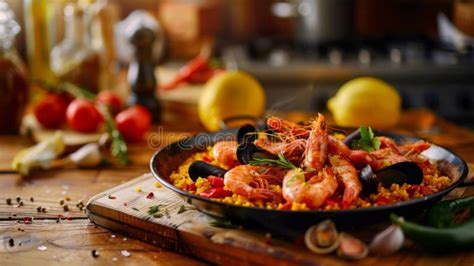
High-Quality Photography: The Foundation of Conversion
At the core of converting a scroll to a click lies impeccable photography. Blurry, poorly lit, or unappealing images are immediate deterrents. Instead, visuals that excel in the following areas consistently outperform others:
- Sharpness and Clarity: Every ingredient should be distinct and inviting, suggesting freshness and quality.
- Optimal Lighting: Natural, soft lighting often highlights textures and colors best, making food appear more appetizing. Harsh shadows or overexposure can obscure details.
- Composition and Framing: A well-composed shot draws the eye directly to the dish, often using the rule of thirds or leading lines to create visual interest. Close-ups that highlight delicious textures (like a gooey cheese pull or crispy crust) are particularly effective.
Color, Vibrancy, and Plating: Engaging the Senses
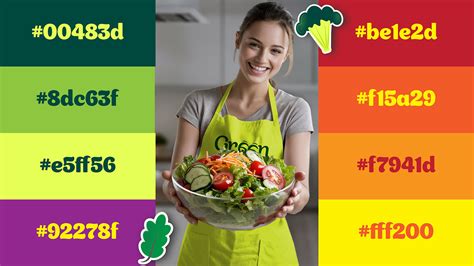
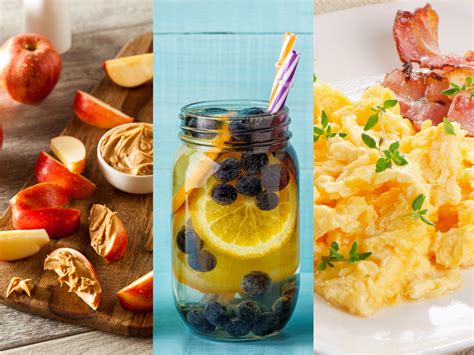
The human brain is hardwired to respond to color, especially when it comes to food. Vibrant, true-to-life colors suggest freshness, ripeness, and flavor. Dishes that feature a spectrum of colors—think bright red tomatoes, verdant greens, and golden-brown crusts—tend to perform better than monochromatic palettes.
Equally crucial is the plating and presentation. A dish might taste incredible, but if it looks messy or unappetizing on screen, it loses its allure. Thoughtful plating, garnishes, and the strategic use of props (like rustic wooden boards or elegant cutlery) elevate the perception of the food, making it seem more gourmet and desirable to recreate.

Context and Storytelling: Inviting Interaction
Beyond the dish itself, the surrounding visual context plays a significant role. Images that subtly tell a story—perhaps showing steam rising from a hot meal, a hand reaching for a piece, or ingredients scattered artistically around the main dish—create a more immersive experience. These elements can trigger an emotional response, making the viewer imagine themselves enjoying or preparing the food, thus increasing the likelihood of a click.
Consider also the background. A clean, uncluttered background ensures the food remains the star, while a tastefully curated backdrop can enhance the dish’s appeal without distracting from it. Authenticity often resonates strongly, so visuals that feel real and achievable for the home cook can foster a deeper connection.
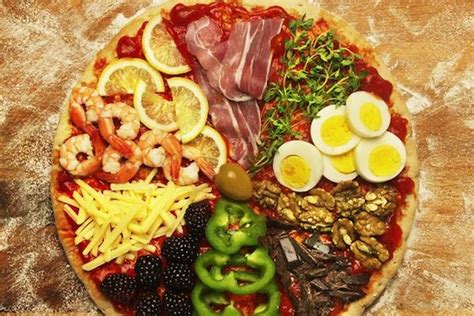
The Power of Dynamic Visuals: Video and GIFs
While high-quality static images are essential, short video clips or animated GIFs can be game-changers on platforms like Visual Bites. A 5-10 second loop demonstrating a sizzle, a pour, a stir, or the incredible texture of a dish (e.g., melting chocolate, a perfect soufflé rising) adds a layer of sensory appeal that static images simply cannot replicate. These dynamic elements are highly engaging and can effectively bridge the gap between seeing and desiring to taste, making the “click for recipe” button irresistible.
Strategic Integration with Call to Action
Ultimately, the effectiveness of a visual element is measured by its ability to drive a click. Visuals that are strategically paired with clear, enticing calls to action (CTAs) perform best. The visual should create a desire so strong that the user instinctively wants to learn how to recreate it. This means the visual itself should hint at the delicious outcome, promising a rewarding experience if the user proceeds to the recipe.
A/B testing different visual styles, lighting, compositions, and even the inclusion of dynamic elements is crucial for understanding what resonates most with the Visual Bites audience. Analyzing click-through rates (CTRs) for various visual types provides invaluable data to refine content strategy and maximize conversion.
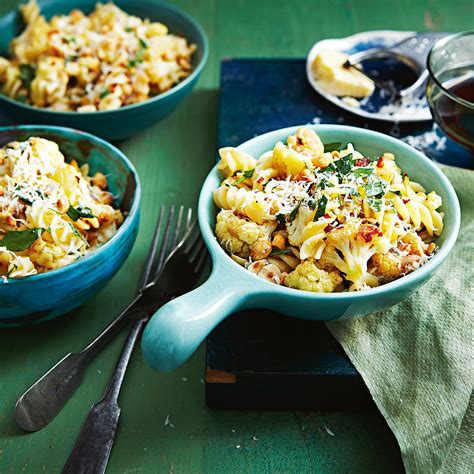
Conclusion: Crafting Clicks Through Compelling Visuals
In the vibrant ecosystem of ‘Visual Bites’, converting a passive scroll into an active recipe click hinges on a deep understanding of visual psychology and meticulous execution. By prioritizing high-quality, well-lit, and vibrantly presented imagery, embracing storytelling through context, and strategically integrating dynamic elements, content creators can significantly enhance their conversion rates. Continuous analysis and adaptation based on user engagement metrics will ensure that every visual published is not just seen, but felt, leading directly to the coveted click.