




What photo gear do real foodies use to capture authentic travel eats?

Capturing Culinary Journeys: More Than Just a Meal
For the true foodie traveler, a dish isn’t just sustenance; it’s a story, a culture, a memory waiting to be made. But how do you translate that sensory explosion onto a photograph that truly does it justice? It’s a common misconception that professional-grade, bulky equipment is necessary. In reality, real foodies prioritize a balance of quality, portability, and discretion to capture those authentic travel eats without drawing undue attention or missing the moment.
Their gear choices often reflect a practical approach to on-the-go photography, focusing on tools that enhance rather than hinder the travel experience. Let’s delve into the arsenals of those who truly eat to explore.
The Ubiquitous Smartphone: Your Pocket Powerhouse
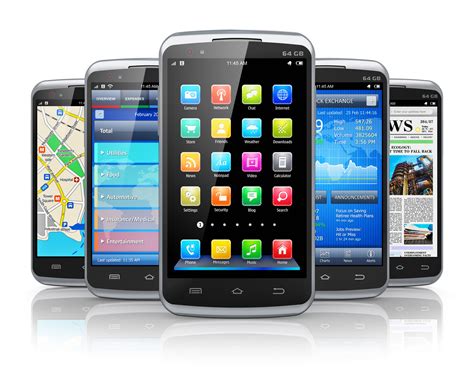
Unsurprisingly, the humble smartphone remains the most indispensable tool for many food adventurers. Modern smartphones, especially flagship models, boast incredible camera capabilities with advanced computational photography that can rival dedicated cameras in good lighting conditions. Their advantages are undeniable: they are always with you, discreet, and allow for instant sharing, making them perfect for capturing spontaneous street food discoveries or vibrant market scenes.
Foodies leverage their phones for quick snaps, video clips, and even for their powerful editing apps. Features like portrait mode for creamy bokeh, wide-angle lenses for capturing the entire spread, and impressive low-light performance on newer models mean that a professional-looking food photo is often just a tap away.
Stepping Up: Mirrorless Cameras for Serious Foodies
For those who demand more control, superior image quality, and the flexibility of interchangeable lenses without the bulk of a traditional DSLR, mirrorless cameras are the preferred choice. Brands like Sony, Fujifilm, Canon, and Nikon offer compact yet powerful mirrorless systems that food photographers adore. Their smaller size makes them ideal for travel, fitting easily into day bags and allowing for more discreet shooting in bustling restaurants or food stalls.
Key benefits include excellent low-light performance (crucial for dimly lit eateries), superior dynamic range, and the ability to achieve a shallow depth of field, which helps food truly pop off the background. These cameras empower foodies to experiment with composition, focus, and exposure to capture the texture and vibrancy of dishes with stunning clarity.
Lenses Make the Difference: Crafting the Perfect Shot
While the camera body is important, a real foodie knows that the lens is often the hero. For mirrorless systems, specific lenses elevate food photography:
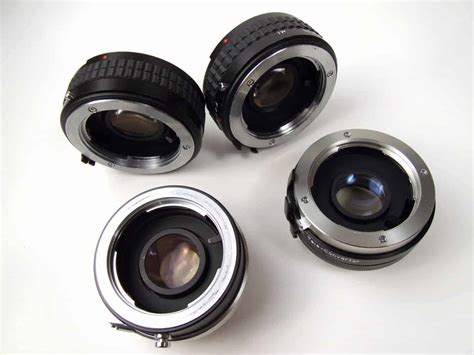
- Prime Lenses (e.g., 35mm, 50mm f/1.8): These fixed focal length lenses are beloved for their sharpness, fast apertures, and ability to create beautiful background blur (bokeh). A 50mm lens, often called a ‘nifty fifty’, is a classic for food, offering a natural perspective.
- Macro Lenses: For extreme close-ups that highlight intricate details, spices, or the glistening texture of a sauce, a macro lens is invaluable. They allow foodies to get incredibly close to their subjects, revealing unseen culinary artistry.
- Standard Zoom Lenses (e.g., 24-70mm f/2.8 or f/4): While primes offer superior image quality, a versatile zoom lens is practical for travel. It allows for quick adjustments in composition without needing to change lenses, perfect when space is limited or moments are fleeting.
Essential Accessories for the Savvy Snapper
Beyond the camera and lenses, a few key accessories can significantly enhance a food photographer’s capabilities:
- Portable LED Lights: Small, rechargeable LED panels can be a lifesaver in challenging lighting conditions, providing a soft, natural-looking fill light without being intrusive.
- Mini Tripods/GorillaPods: For stable shots, especially in low light or when experimenting with longer exposures, a compact tripod or flexible GorillaPod can be invaluable.
- Extra Batteries and Memory Cards: Running out of power or storage space in the middle of a culinary adventure is a photographer’s nightmare. Foodies always carry spares.
- Lens Cleaning Kit: Smudges on a lens can ruin a shot. A small blower and microfibre cloth are essential for keeping gear pristine.
Beyond the Gear: The Foodie’s Eye and Approach
Ultimately, the best gear in the world is useless without a keen eye and a respectful approach. Real foodies understand that capturing authentic travel eats is also about:
- Natural Light: Always seeking out natural light sources, whether it’s by a window or outdoors, is paramount.
- Composition: Thinking about angles, negative space, and storytelling within the frame.
- Speed and Discretion: Being quick and unobtrusive, especially in local eateries, respects the culture and fellow diners.
- Storytelling: Capturing not just the food, but the ambiance, the hands preparing it, or the local environment that brings the dish to life.
The gear list for a foodie traveler isn’t about owning the most expensive equipment, but rather choosing tools that are reliable, portable, and capable of translating a fleeting culinary moment into a lasting, delicious memory. Whether it’s the smartphone in their pocket or a compact mirrorless camera with a versatile prime lens, the goal remains the same: to tell the authentic story of food and travel, one delicious bite at a time.