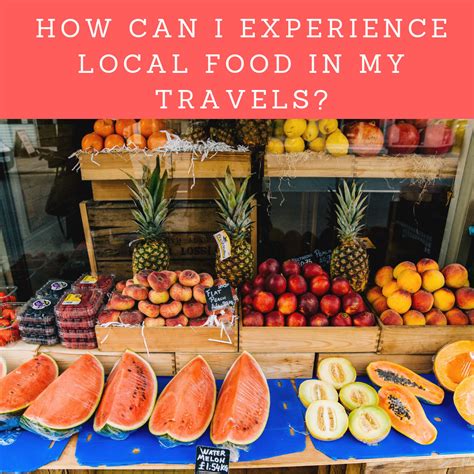





Actionable visual tips: How do real foodies find authentic local food adventures?

For many travelers, food is more than just sustenance; it’s a window into a culture, a story told through flavors, aromas, and traditions. But how do you navigate the sea of tourist traps and find those truly authentic local eateries that leave a lasting impression? Real foodies don’t just stumble upon these gems; they employ a set of visual and observational strategies that lead them directly to the heart of a destination’s culinary soul.
The Art of Local Observation: Where to Look First
The first rule of authentic eating is to look where the locals look. This might sound obvious, but it requires a keen eye and a willingness to step outside your comfort zone. Start by observing the morning commute – what are people grabbing on their way to work? Are there any street vendors with long queues forming? These often indicate beloved local breakfasts or snacks. Markets are also prime hunting grounds. Not the curated “food markets” designed for tourists, but bustling fresh produce markets where vendors are shouting prices and locals are haggling. Look for small, unpretentious stalls within these markets that offer prepared foods.
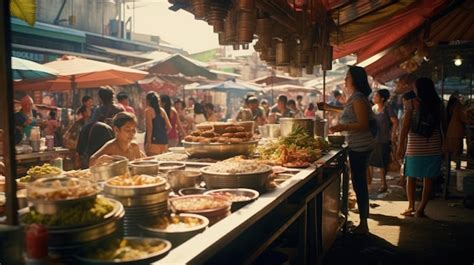
Pay attention to restaurants that might seem unassuming from the outside. Often, the best food comes from places with minimal decor but maximum patronage from the local community. A restaurant packed with locals during lunchtime or dinner is almost always a good sign, regardless of how fancy or plain it looks.
Ditch the Digital Traps: Trust Your Gut, Not Just Google
While online reviews can be helpful, they often highlight places that are popular with tourists or have mastered SEO, not necessarily the most authentic local spots. Real foodies learn to filter this noise. Instead of searching “best restaurants near me,” try “best {local dish name} in {neighborhood}” or even better, avoid broad searches entirely. Walk around the neighborhood you’re exploring. What smells good? What looks vibrant and busy? Are there handwritten menus or chalkboards in a language you don’t fully understand (a good sign it’s not catering solely to English speakers)?
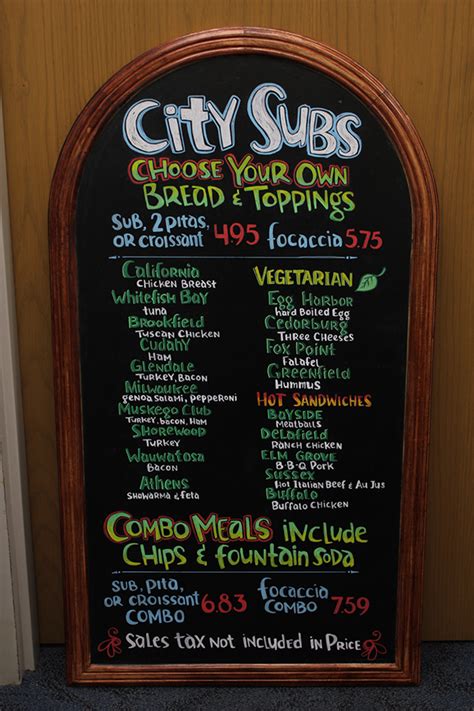
Another visual cue is the presence of specialized eateries. If a place only serves one or two dishes, chances are they do them exceptionally well. This specialization is a hallmark of authentic, traditional cooking, where generations have perfected a specific recipe.
Engage and Eavesdrop: The Power of Local Insight
Don’t be afraid to ask. While language can be a barrier, a friendly smile and a simple “where do you like to eat?” can go a long way. Ask hotel staff (but specifically ask where *they* eat, not where they send tourists), shopkeepers, or even fellow patrons at a promising-looking cafe. Observe what locals are ordering and don’t hesitate to point and ask for “that.” A visual cue of shared dishes on tables can also be a great indicator of popular, must-try items.
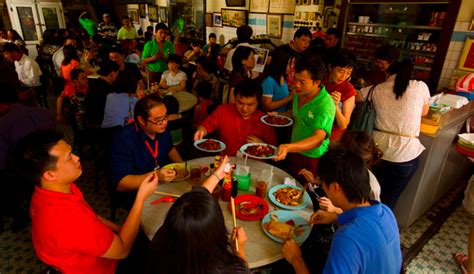
Sometimes, eavesdropping (respectfully!) can provide valuable clues. Listen for local dialects or specific food recommendations being shared. Even if you don’t understand the words, the enthusiasm in their voices can guide you.
Venture Beyond the Postcard Views: Explore Uncharted Territories
The most authentic food experiences often lie outside the main tourist thoroughfares. Head a few blocks away from the famous landmarks or central squares. Seek out residential neighborhoods or industrial areas that might not be aesthetically pleasing but often house humble eateries serving incredible, unpretentious food to local workers and families. These places are less likely to inflate prices or alter recipes to suit foreign palates.

Look for food trucks or temporary stalls that set up shop in specific areas at certain times. These pop-up operations are often family-run, serving generational recipes that can’t be found in brick-and-mortar restaurants. A cluster of such vendors, especially if frequented by local workers on their lunch break, is a treasure trove.
Trust Your Senses: The Ultimate Foodie Compass
Finally, and perhaps most importantly, trust your own senses. What smells enticing as you walk by? Is the food on display fresh and vibrant? Does the atmosphere feel genuine and welcoming, even if it’s bustling and noisy? The visual appeal of fresh ingredients, the sizzle of a grill, the vibrant colors of spices, and the general hum of satisfied diners are all powerful indicators.

Authentic local food adventures aren’t about ticking off Michelin stars; they’re about immersion, discovery, and a willingness to be led by your curiosity and your senses. By honing these actionable visual tips, you too can unlock the true culinary heart of any destination and create unforgettable food memories that go far beyond the tourist brochure.