




Visual plating tips: make your real food recipes look as good as they taste?

You’ve spent time carefully selecting ingredients, mastering techniques, and perfecting flavors. But does your finished dish truly captivate the eye before it even reaches the palate? Visual appeal is a crucial component of the dining experience, influencing our perception of taste and enjoyment. Learning a few simple plating tips can elevate your everyday meals and impress your guests, making your real food recipes look as good as they taste.
Understand the Fundamentals of Composition
Plating is essentially creating a piece of art on a plate. Like any good artist, you need to understand basic compositional principles. Think about balance, contrast, and focal points. A well-plated dish isn’t just about putting food on a plate; it’s about arranging elements in a way that is aesthetically pleasing and invites the diner to dig in.
- Rule of Thirds: Imagine your plate divided into a tic-tac-toe grid. Place key elements at the intersections or along the lines for a more dynamic and engaging presentation.
- Focal Point: Every dish should have a star. This is usually the main protein or a vibrant vegetable component. Arrange other elements to complement and draw attention to this star.
- Negative Space: Don’t overcrowd the plate. Leaving some empty space allows the dish to breathe and highlights the food you’ve presented.
Play with Color and Contrast
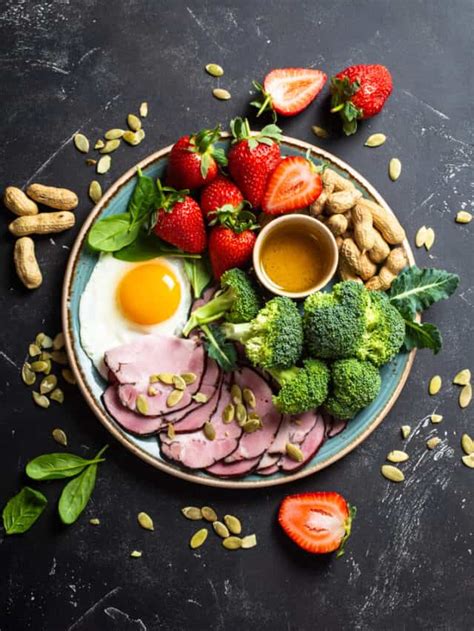
Color is one of the most immediate ways to make food appealing. A plate full of bland, monochromatic food rarely excites. Aim for a variety of colors to make your dish pop. Consider adding vibrant vegetables, colorful sauces, or fresh herbs to brighten up your plate.
Contrast isn’t just about color; it’s also about texture and shape. Think about pairing something crunchy with something soft, or a smooth puree with a rustic chop. Different shapes—round vegetables, rectangular proteins, delicate julienned garnishes—add visual interest.
Build Height and Dimension
Flat food can look uninspired. Adding height to your dish creates dimension and makes it more visually exciting. Think vertically! You can achieve this by stacking components (like layers of lasagna or a tower of vegetables), leaning elements against each other, or placing a central item on a bed of something else.
Small molds or ring cutters can be incredibly useful for creating neat, stacked layers. A simple trick is to start with a base (like a scoop of mashed potatoes or risotto) and build upwards from there.
Master the Art of Saucing and Garnishing
Sauces: The Artistic Touch
Sauces are not just for flavor; they are an essential tool for plating. Instead of drowning your food, use sauces strategically to add color, moisture, and design. You can drizzle them artfully, create swooshes with the back of a spoon, or place small pools around the main elements.
- Spoon Swirl: Place a spoonful of sauce on the plate and drag the back of the spoon across it for an elegant smear.
- Dotting: Use a squeeze bottle or spoon to create small, evenly spaced dots of sauce around the plate.
- Underneath: A small bed of sauce under your main component can act as an anchor and a splash of color.
Garnishes: The Finishing Flourish
A well-chosen garnish adds the final touch, providing color, texture, and often a burst of fresh flavor. However, avoid over-garnishing. A good garnish should be edible, relevant to the dish, and enhance its appearance without overwhelming it.
- Fresh Herbs: A sprig of parsley, cilantro, dill, or chives adds a vibrant green and aromatic touch.
- Citrus Zest/Wedges: Brightens the dish and offers a tangy counterpoint.
- Toasted Nuts/Seeds: Adds crunch and a nutty flavor.
- Edible Flowers: For a truly elegant and delicate presentation.

Choose the Right Plate
The plate itself is your canvas. The size, shape, and color of your plate can significantly impact the final presentation. Generally, white or neutral-colored plates are preferred as they allow the food’s colors to stand out. Round plates are classic, but square or rectangular plates can offer a modern touch.
Ensure your plate is clean, with no smudges or drips on the rim, as this is often the first thing a diner notices. A warm plate for hot food and a chilled plate for cold food also shows attention to detail and enhances the dining experience.
![500+ Clean Pictures [HD] | Download Free Images on Unsplash](/images/aHR0cHM6Ly90czEubW0uYmluZy5uZXQvdGg/aWQ9T0lQLnpQRVpJOGxWM3kwQ3FCUFhlS1FEendIYUVzJnBpZD0xNS4x.webp)
Practice Makes Perfect
Like any skill, plating improves with practice. Don’t be afraid to experiment with different arrangements, sauces, and garnishes. Take photos of your plated dishes to review and see what works best. Soon, you’ll develop an intuitive sense for what looks good, transforming every meal into a feast for the eyes as well as the taste buds.