





How do I maintain vibrant colors in my cooked veggies for appealing food photos?

Capturing the beauty of food in photographs is an art, and the vibrancy of your vegetables plays a starring role. Dull, washed-out veggies can make even the most delicious dish look unappetizing. Fortunately, with a few simple culinary tricks, you can ensure your greens stay gloriously green, your reds pop, and your yellows sing, making your food photos truly irresistible.
The Magic of Blanching and Shocking
This technique is your best friend, especially for green vegetables like broccoli, asparagus, green beans, and spinach. Blanching involves briefly immersing vegetables in rapidly boiling, salted water, followed immediately by plunging them into an ice bath (shocking). The hot water brightens the color by setting the chlorophyll, while the ice bath stops the cooking process instantly, preventing overcooking and preserving that vivid hue.
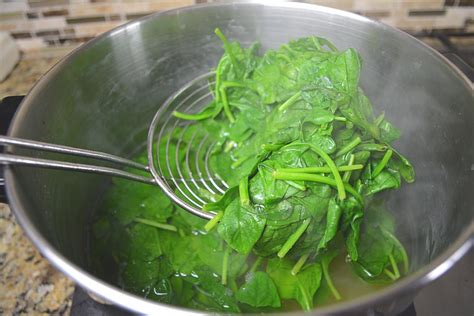
For best results, work in small batches to ensure the water returns to a boil quickly and the vegetables cook evenly. The blanching time is typically very short, ranging from 30 seconds to 2 minutes, depending on the vegetable and desired tenderness. The key is to remove them as soon as they achieve that bright, ‘just cooked’ look.
Precision in Cooking Time: Avoid the Grey Zone
Overcooking is the arch-nemesis of vibrant vegetable colors. Prolonged exposure to heat breaks down cell walls and chlorophyll, leading to dull, muddy hues. Whether you’re steaming, sautéing, or roasting, aim for al dente—tender-crisp with a slight bite.
For sautéing, use a hot pan and cook quickly, perhaps even in batches, to prevent overcrowding which can lead to steaming instead of searing. When roasting, ensure your oven is preheated to a high temperature, around 400-425°F (200-220°C), to encourage caramelization and vibrant browning without drying out or dulling the colors. Always keep an eye on your vegetables and pull them from the heat as soon as they reach their peak.

Understanding Acidity and Alkalinity
The pH of your cooking environment can significantly impact vegetable colors. Acids tend to brighten and stabilize reds and oranges (think tomatoes and carrots), but can dull greens. A squeeze of lemon juice added right at the end of cooking can make red cabbage more vibrant or enhance the natural acidity of certain dishes.
Conversely, alkaline conditions can intensify greens, but can also lead to a mushy texture if overdone. While some chefs add a pinch of baking soda to green vegetables to enhance their color, this is a delicate balance; too much can make them slimy and strip nutrients. Generally, sticking to blanching and precise cooking times is safer and more reliable for maintaining both color and texture.
Finishing Touches: Oil and Glazes for Extra Pop
Once your vegetables are cooked to perfection, a few finishing touches can amplify their visual appeal. A drizzle of high-quality olive oil, a knob of butter, or a light glaze (like a honey-balsamic reduction) can add a beautiful sheen that makes colors appear more intense and rich. The fat also helps light reflect off the surface, making them look even more appetizing in photos.

Fresh herbs, a sprinkle of flaky sea salt, or a grating of citrus zest also add visual interest and a burst of complementary color. These elements not only enhance flavor but also provide texture and depth to your food photography.
Start with Fresh, Store Smart
The journey to vibrant vegetables begins long before they hit the pan. Always choose the freshest produce available, looking for firm, unblemished vegetables with bright, natural colors. Older vegetables, or those improperly stored, will have already begun to lose their natural vibrancy and will be much harder to revive.

Store your vegetables correctly to maintain their freshness until cooking. Leafy greens should be washed, dried thoroughly, and stored in an airtight container lined with a paper towel. Root vegetables should be kept in a cool, dark place. The better cared for your ingredients are from the start, the more stunning they’ll look in your final photographs.
By implementing these techniques, you’ll not only elevate the nutritional value and taste of your cooked vegetables but also transform them into visually stunning components that will make your food photography truly stand out.