



Which Visual Bite editing tricks best convey authentic flavor and taste to real foodies?

The challenge for creators in the “Visual Bites” era isn’t just to make food look good; it’s to make it feel real, to transcend the screen and evoke the actual experience of taste and texture. Real foodies, those who appreciate the nuances of culinary artistry, seek authenticity above all else. They can spot a hyper-processed, artificially enhanced shot from a mile away. The secret lies in mastering editing tricks that don’t just showcase food, but truly convey its inherent flavor and deliciousness.

Embracing Raw Visuals and Textures
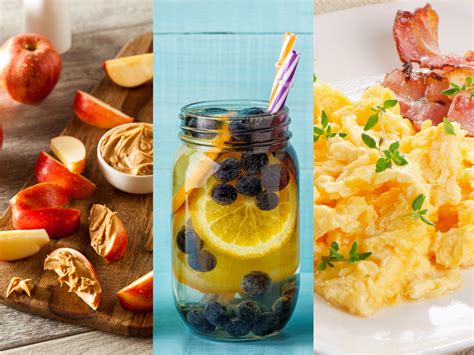
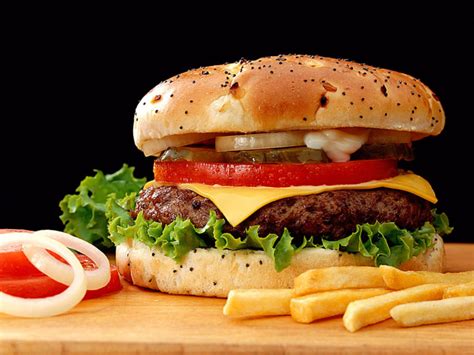
The foundation of authentic food videography begins with respecting the food itself. Rather than relying on heavy filters or excessive color correction, prioritize natural light. Soft, diffused natural light reveals the true colors and contours of ingredients, making them appear fresh and inviting. Secondly, extreme close-ups are your best friend. Zoom in on the glistening fat of a perfectly seared steak, the delicate crumb of a fresh pastry, or the vibrant hues of a fresh salad. These shots highlight the intricate textures that are a huge part of taste perception. Show the crispy skin, the tender interior, the bubbling sauce – let viewers almost feel the food through their screens.

The Symphony of Sound: Auditory Authenticity
Visuals only tell half the story; sound completes the sensory experience. High-quality audio is paramount. Capture the sizzle of oil in a hot pan, the satisfying crunch of a fresh vegetable being chopped, the gentle bubbling of a rich stew, or the creamy pour of a sauce. These auditory cues aren’t just background noise; they trigger powerful associations with taste and freshness. A perfectly timed, crisp sound effect can instantly elevate the perceived quality and authenticity of the dish, making the viewer’s mouth water even before the food reaches the plate.
Pacing, Process, and Palate Anticipation
Authenticity also comes from showing the journey, not just the destination. Foodies appreciate understanding the process. Incorporate quick cuts of preparation steps – the kneading of dough, the delicate plating, the sprinkle of herbs. This builds anticipation and trust. Furthermore, judicious use of slow-motion can dramatically enhance the impact of key moments: a sauce slowly drizzling, cheese stretching from a pizza slice, or steam rising from a freshly cooked dish. These moments, stretched and savored, allow the viewer to appreciate the details that contribute to the final flavor profile. Finally, don’t shy away from authentic reactions – a genuine smile, a satisfied nod, or eyes widening with delight can convey more about taste than any verbal description.
Subtle Post-Production for Maximum Impact
While naturalness is key, post-production still plays a vital role. The trick is subtlety. Instead of dramatic filters, focus on natural color grading that enhances vibrancy without distorting reality. Adjust white balance to ensure food colors are true-to-life. A slight increase in contrast can make textures pop. Avoid over-saturating or adding artificial glows, which can make food look plastic or unappetizing to discerning eyes. Minimalistic editing ensures that the focus remains squarely on the food itself, allowing its inherent appeal to shine through without distraction.

Conclusion: Beyond the Garnish
Conveying authentic flavor and taste in “Visual Bites” is an art that blends technical skill with a deep understanding of culinary appreciation. By prioritizing natural visuals, crisp sound design, engaging pacing, and subtle post-production, creators can move beyond mere aesthetics. These editing tricks don’t just make food look good; they make it feel tangible, desirable, and undeniably delicious, speaking directly to the sophisticated palates of real foodies. The goal is to make viewers not just see the food, but to almost taste it, smell it, and experience the joy it brings.