



What plating tips elevate simple recipes to “foodie feed” worthy dishes for visual appeal?
In today’s visually-driven world, a dish isn’t truly complete until it looks as good as it tastes. For home cooks aspiring to create “foodie feed” worthy content, mastering basic plating techniques can transform even the simplest recipes into stunning culinary presentations. You don’t need a professional kitchen or advanced culinary degree; just a keen eye for detail and a few clever tricks to make your dishes sing on screen and table alike.
Embrace the Art of Color and Contrast
One of the most immediate ways to elevate a dish’s visual appeal is by thoughtfully considering its color palette. A vibrant mix of ingredients instantly grabs attention. Think about adding a pop of bright green from fresh herbs, a splash of red from roasted peppers, or the rich orange of sweet potato purée to a more neutral-colored main. Contrast isn’t just about different hues; it’s also about varying shades within the same color family.
Aim for a balance where no single color dominates excessively unless it’s a deliberate monochromatic theme. High contrast, like a bright sauce on a dark plate or a dark protein against a light purée, makes elements stand out and defines different components of your meal, making it more dynamic and inviting.
Mastering Texture and Dimension
A dish with uniform texture can appear flat and uninteresting. Introduce varying textures to add complexity and visual intrigue. Crunchy elements like toasted nuts, crispy fried onions, or fresh vegetable slivers provide a delightful counterpoint to soft purées, tender proteins, or smooth sauces. This isn’t just about mouthfeel; it creates visual layers that make the dish look more substantial and thoughtfully constructed.
Dimension is key to escaping the “pancake” effect. Think vertically. Build your dish up rather than spreading it out. Stacking components slightly, leaning elements against each other, or mounding ingredients creates height. A perfectly seared scallop atop a bed of risotto, garnished with a sprig of dill, instantly looks more sophisticated than simply laying everything flat.
Strategic Placement and the Rule of Odds
How you arrange elements on the plate profoundly impacts its aesthetic. The “rule of odds” suggests that an odd number of items (e.g., three scallops, five asparagus spears) is more visually appealing and natural than an even number. This creates a sense of balance without symmetry, making the composition dynamic.
Consider a focal point for your dish – often the main protein or a prominent vegetable – and arrange supporting elements around it. Think about negative space; an uncluttered plate with deliberate empty areas can be as powerful as the food itself, allowing the main components to breathe and shine. Don’t overcrowd the plate; less is often more when it comes to elegant presentation.
The Power of Garnish and Sauce Artistry
Garnish isn’t just an afterthought; it’s the final flourish that ties the dish together. Fresh herbs, edible flowers, a drizzle of high-quality oil, a sprinkle of flaky sea salt, or a dusting of spice can add both visual interest and an extra layer of flavor. Choose garnishes that complement the dish’s ingredients and colors.
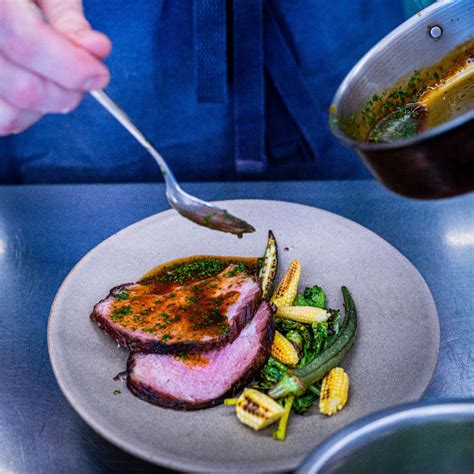
Sauces are another potent tool for visual enhancement. Instead of pouring sauce indiscriminately, try artistic applications. A delicate swipe across the plate, a series of dots, or a controlled drizzle can add movement and sophistication. Use squeeze bottles or the back of a spoon for precision. Remember to wipe the rim of your plate impeccably clean before serving – a pristine edge signifies professionalism and attention to detail.

Choosing the Right Vessel and Utensils
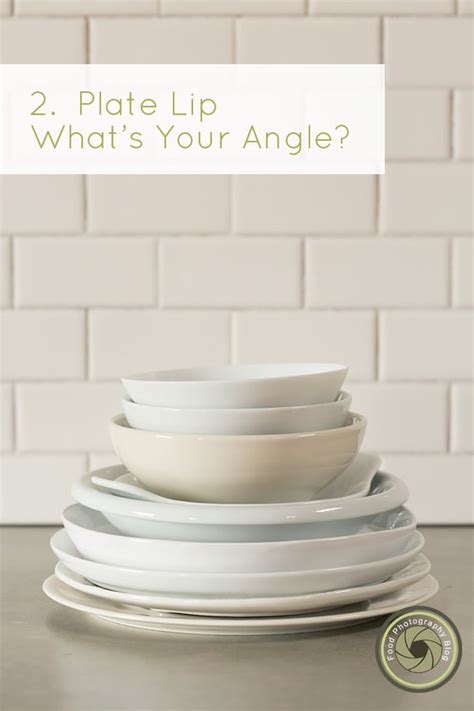
The plate itself acts as the canvas for your culinary artwork. Consider the size, shape, and color of your plates. White plates are classic because they make food pop, but dark or colored plates can also create stunning contrasts, especially with lighter-colored foods. Ensure the plate is large enough to allow for negative space but not so large that the portion looks meager.
Utensils are not just for eating; they can be part of the visual setup. Clean, polished cutlery positioned thoughtfully next to the plate adds to the overall “foodie feed” aesthetic. Even simple details like a neatly folded napkin can elevate the perception of the meal.
Lighting and Photography Considerations
While not strictly “plating,” how you light and photograph your beautifully plated dish is paramount for “foodie feed” appeal. Natural light is almost always best; position your dish near a window, avoiding harsh direct sunlight. Overhead shots (flat lays) work well for dishes with interesting textures and patterns, while 45-degree angles are great for showing off height and dimension.
Don’t forget the background! A clean, uncluttered background allows your food to be the star. Experiment with different angles and compositions to find what highlights your hard work best. A little post-processing for brightness and contrast can further enhance the visual allure, but start with a well-plated and well-lit foundation.
Conclusion: Plate with Purpose and Practice
Elevating simple recipes to “foodie feed” worthy dishes is less about complex cooking and more about thoughtful presentation. By focusing on color, texture, height, strategic placement, and elegant garnishing, you can transform everyday meals into visual feasts. Don’t be afraid to experiment, practice, and draw inspiration from professional chefs and food stylists. With each plate, you’re not just serving food; you’re telling a story and creating an experience that delights the eyes as much as the palate, making every meal a potential social media star.