




How to organize your foodie fridge for peak freshness & easy ingredient access?

For the avid home cook, the fridge isn’t just a cooling box; it’s a treasure chest of culinary possibilities. However, a disorganized foodie fridge can lead to wasted ingredients, forgotten leftovers, and frustrating meal prep. Transforming your refrigerator into an organized haven not only extends the life of your precious produce and gourmet finds but also streamlines your cooking process, making every culinary adventure more enjoyable and efficient.
Declutter Before You Organize
Before you can implement any brilliant organization systems, the first crucial step is a thorough declutter. Pull everything out, inspect expiry dates, and discard anything past its prime or forgotten. This isn’t just about making space; it’s about starting with a clean slate. Wipe down all shelves, drawers, and walls with a mild, food-safe cleaner to eliminate spills and odors, ensuring a fresh environment for your food.

Zone Your Fridge for Peak Performance
Understanding your fridge’s temperature zones is key to proper food storage. Different areas maintain different temperatures, which directly impacts food freshness. Categorizing items by zone helps everything last longer and makes it easy to find what you need.
Top Shelf: Ready-to-Eat & Leftovers
This is generally the warmest spot in the main compartment, making it ideal for items that don’t need intense chilling. Store cooked meats, leftovers in airtight containers, deli meats, and opened dips. This placement also prevents any potential drips from raw foods contaminating ready-to-eat items.
Middle Shelves: Dairy, Eggs & Staples
These shelves maintain a consistent, cool temperature perfect for dairy products like milk, yogurt, and cheeses. Eggs also fare best here, as the consistent temperature helps them maintain quality. Keep staples like butter and cream cheese readily accessible.
Bottom Shelf: Raw Meats & Seafood
The coldest part of the main compartment is typically the bottom shelf. This is the safest place for raw meats, poultry, and seafood. Always store them in sealed containers or on trays to catch any potential drips, preventing cross-contamination to other foods.
Crisper Drawers: The Produce Powerhouses
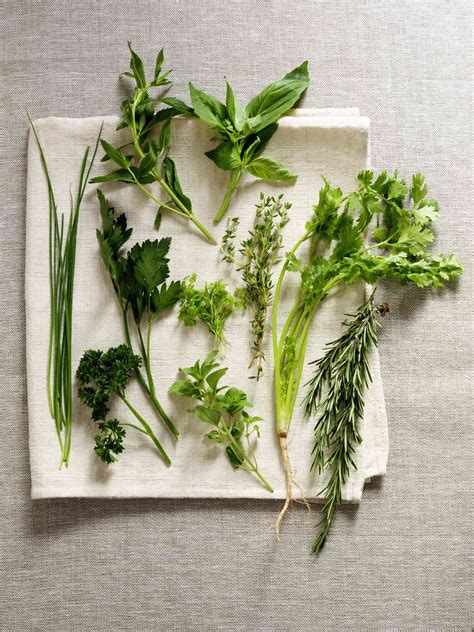
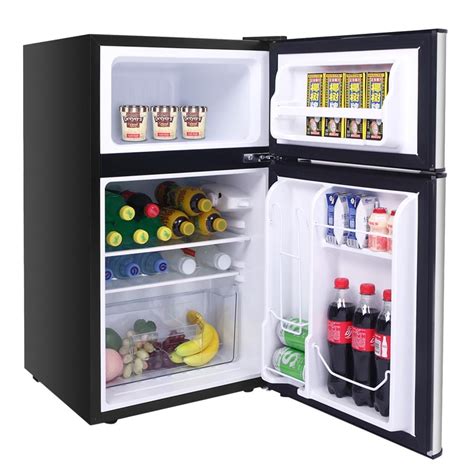
Most fridges have two crisper drawers, often with humidity controls. Use the high-humidity drawer for leafy greens (spinach, lettuce, herbs) to keep them from wilting. The low-humidity drawer is best for fruits and vegetables that emit ethylene gas (apples, pears, bell peppers) to prevent them from spoiling other produce.

Fridge Door: Condiments & Drinks
The door is the warmest and most temperature-fluctuating part of the fridge. It’s perfect for condiments, pickles, jams, and drinks that are less sensitive to temperature changes. Avoid storing milk or eggs here, as their quality can degrade faster.
Smart Storage Solutions & Labeling
Invest in clear, airtight containers of various sizes. These not only keep food fresh but also allow you to see what you have at a glance, reducing waste. Clear bins and lazy susans can maximize vertical space and make deep shelves more accessible. Consider expandable shelf dividers to create custom compartments.
Labeling is a game-changer for a foodie fridge. Date leftovers and open items, especially those with shorter shelf lives. Use the “First-In, First-Out” (FIFO) method, placing newer items at the back and older ones at the front, ensuring everything gets used before it expires.
Maintain Your Organized Oasis
Organization isn’t a one-time task; it’s a continuous practice. Make it a habit to do a quick tidy-up before your weekly grocery shop, clearing out any nearing-expiry items and consolidating containers. A monthly deep clean will keep your fridge sparkling and efficient, preventing food waste and ensuring a pleasant cooking experience.

Conclusion
A well-organized foodie fridge is more than just aesthetically pleasing; it’s a powerful tool for reducing food waste, saving money, and enhancing your culinary creativity. By following these simple yet effective strategies for decluttering, zoning, smart storage, and consistent maintenance, you’ll transform your refrigerator into an efficient, fresh, and inspiring hub for all your gastronomic adventures.