




Achieve vibrant, crisp roasted vegetables: What’s the best technique?
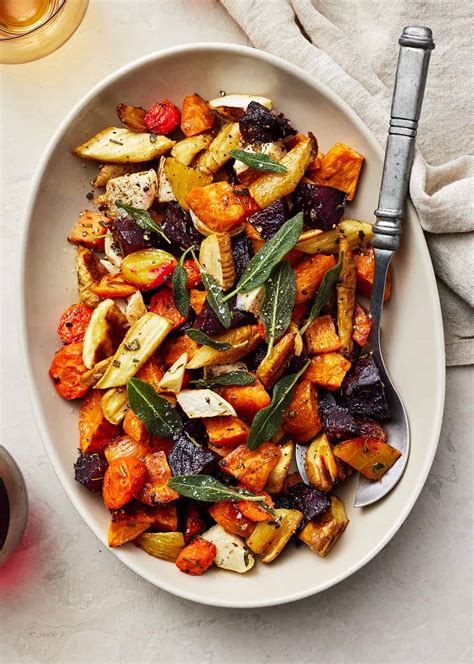
Roasted vegetables are a staple for many home cooks, offering a delightful way to enjoy a wide array of produce. When done right, they boast a beautiful caramelization, a vibrant color, and that irresistible crisp-tender texture. However, achieving this perfection can sometimes feel elusive, often resulting in soggy, bland, or unevenly cooked veggies. So, what’s the ultimate technique to guarantee success every time?
The Foundation: Proper Prep is Paramount
The journey to perfect roasted vegetables begins long before they hit the oven. Firstly, choose firm, fresh vegetables. Root vegetables like carrots, potatoes, and parsnips, along with cruciferous options like broccoli and cauliflower, bell peppers, and zucchini, are excellent candidates. Wash them thoroughly, then the most crucial step: dry them completely. Any residual moisture will steam the vegetables instead of roasting them, leading to a mushy texture. Use a clean kitchen towel or paper towels to ensure they are bone dry.
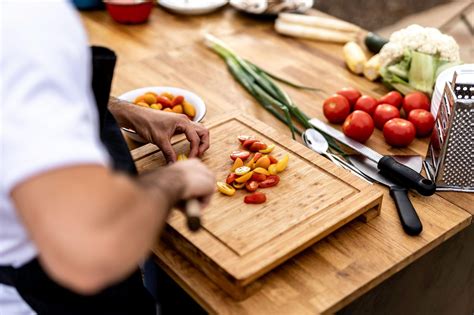
Next, cut your vegetables into uniform sizes. This is essential for even cooking. Smaller pieces will cook faster than larger ones, so try to keep them relatively consistent. If you’re roasting a mix of vegetables with different cooking times (e.g., potatoes and bell peppers), consider cutting the slower-cooking items smaller, or roasting them on separate trays until they’re closer to doneness before combining.

The Golden Rule: Don’t Crowd the Pan
This is arguably the most common mistake and the biggest culprit behind soggy roasted vegetables. When you pack too many vegetables onto one baking sheet, they release moisture, creating steam. This steam gets trapped, and instead of roasting, your vegetables end up steaming themselves. For truly crisp results, give your vegetables space to breathe. Spread them in a single layer on your baking sheet, ensuring there’s a little gap between each piece. If you have a large batch, use two baking sheets or roast in batches.
Heat Management: High and Consistent
High heat is key to achieving that desirable browning and crisp exterior. A temperature range of 400°F to 425°F (200°C to 220°C) is ideal for most vegetables. Make sure your oven is fully preheated before you introduce the vegetables. A cold oven will prolong cooking time and again, can contribute to steaming rather than roasting. Many professional chefs even recommend preheating the baking sheet itself in the oven before adding the oiled vegetables. This gives them an immediate searing contact, kickstarting the browning process.
The Flavor Builders: Oil and Seasoning
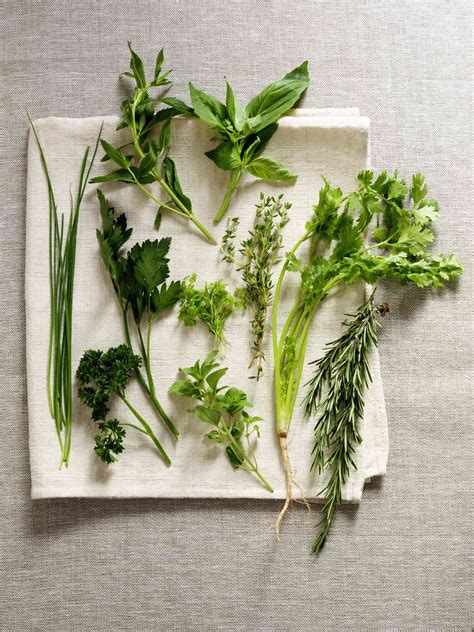
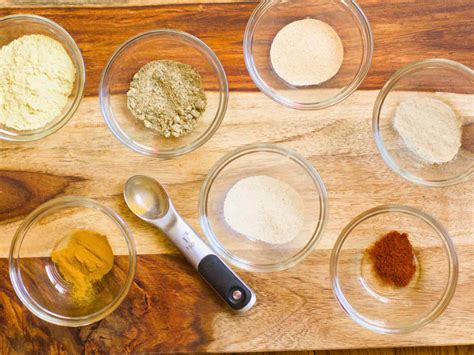
A good quality oil not only helps conduct heat but also contributes to flavor and crispness. Olive oil is a classic choice, but avocado oil or grapeseed oil work well for their high smoke points. Use just enough oil to lightly coat all the vegetables – too much will make them greasy, too little will lead to burning and sticking. Toss the vegetables directly on the baking sheet or in a large bowl to ensure an even coating. Season generously with salt and freshly ground black pepper. Don’t be shy with salt; it helps draw out moisture and enhances flavor. Beyond the basics, experiment with herbs like rosemary, thyme, or oregano, garlic powder, onion powder, paprika, or chili flakes to elevate the taste.
The Flip and Finish: Achieving Even Roasting
Midway through the roasting process, give your vegetables a good toss or flip them with a spatula. This ensures even browning on all sides and prevents one side from becoming too dark while the other remains pale. The total roasting time will vary depending on the vegetable type, size, and your oven, but generally, expect anywhere from 20 to 45 minutes. You’ll know they’re done when they are tender when pierced with a fork, deeply caramelized, and have crispy edges.
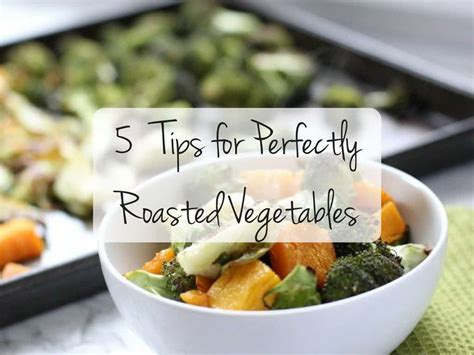
Troubleshooting Common Issues
- Soggy Vegetables: Too much moisture (not dried properly), overcrowding the pan, or oven temperature too low.
- Burnt on Outside, Raw on Inside: Oven temperature too high for the size of the pieces, or pieces are too large.
- Lack of Flavor: Not enough salt or seasoning, or using old, flavorless vegetables.
Conclusion: Your Perfect Roast Awaits
Mastering the art of vibrant, crisp roasted vegetables is all about attention to a few key details: thorough drying, proper spacing, high heat, and appropriate seasoning. By following these techniques, you’ll consistently achieve perfectly cooked vegetables that are tender on the inside, beautifully caramelized on the outside, and bursting with flavor. Get ready to elevate your side dishes and make vegetables the star of any meal!