




Foodie’s guide: Visual tips for reducing food waste while cooking fresh?

Embracing Mindful Cooking: A Visual Approach to Zero Waste
Cooking with fresh ingredients is a joy, bringing vibrant flavors and nutrients to our plates. However, it can also inadvertently lead to significant food waste if not managed thoughtfully. From forgotten produce at the back of the fridge to discarded trimmings, every little bit adds up. This guide empowers home cooks with visual tips and smart practices to drastically reduce food waste, ensuring every delicious ingredient fulfills its potential and helps create a more sustainable kitchen.

1. See It, Use It: Smart Shopping and Storage Strategies
The journey to zero waste begins before you even step into the kitchen. Visual cues play a crucial role in preventing food from going bad before its time.
Plan Visually with a Meal Map
Before grocery shopping, take a moment to ‘see’ your week’s meals. What ingredients will you need? How can you reuse components? For example, roast a whole chicken on Monday, use the leftovers for tacos on Tuesday, and make stock from the bones on Wednesday. A visible meal plan on your fridge can remind you of what’s coming up and what ingredients need prioritizing.
Organize for Visibility: The “First In, First Out” Fridge
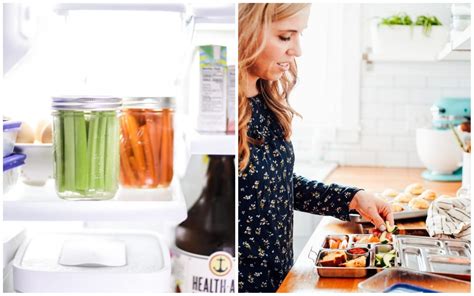
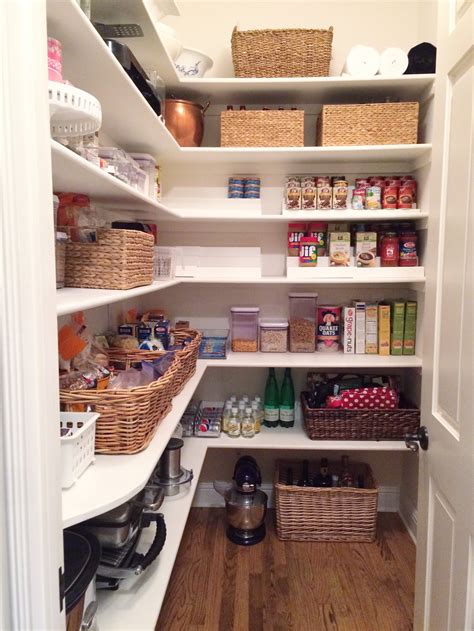
Clear containers and a well-organized fridge are your best friends. Place items that need to be eaten soonest at the front (your “eat me first” shelf or basket). Store herbs in a glass of water like a bouquet, and group similar items together. If you can see it, you’re more likely to use it before it expires.
2. Prep with Purpose: Maximizing Every Morsel
Once you’re in the kitchen, focused preparation can significantly cut down on waste.
The Mise en Place Advantage
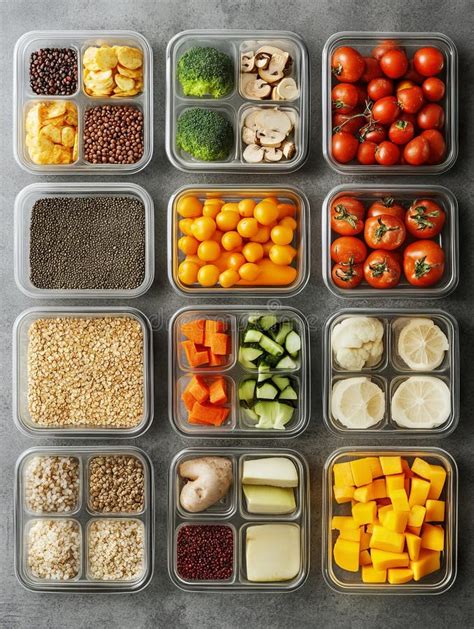
Before you start cooking, chop and prepare all your ingredients. This visual organization not only makes cooking smoother but also allows you to gauge exactly how much you need. Seeing your prepped ingredients laid out can prevent over-cutting and encourages you to find uses for smaller scraps immediately.
Creative Scraps: A Visual Transformation
Don’t toss those veggie ends, herb stems, or parmesan rinds! Keep a designated container in your freezer for vegetable scraps (onion peels, carrot tops, celery ends) – once full, it’s perfect for making homemade stock. Visually seeing this container fill up can be a satisfying reminder of your waste-reduction efforts.
3. Reimagining Leftovers and “Ugly” Produce
Sometimes, ingredients don’t get used up, or they might not look perfect. Here’s how to give them a second chance.
Embrace the “Ugly” but Delicious
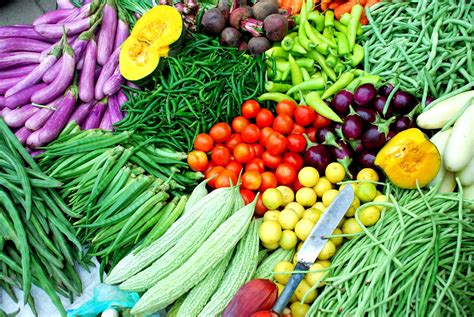
Don’t be swayed by cosmetic imperfections. A bruised apple or a slightly wilted lettuce leaf is often perfectly fine to eat. Visually inspect produce for true spoilage versus superficial blemishes. These items are often cheaper and just as tasty when used promptly.
Leftover Alchemy: Visual Cues for New Meals
Instead of seeing leftovers as just a reheat, view them as building blocks. A half-eaten roasted chicken can become a quick chicken salad. Leftover rice can turn into fried rice. Keep a visual inventory of your leftovers and brainstorm ways to transform them into entirely new, appealing dishes.

4. Track Your Progress: Visualizing Waste Reduction
For long-term success, understanding your patterns of waste is key.
The “Waste Not” Jar or Chart
Designate a clear jar for all the food scraps you do have to throw away (bones, truly spoiled items). Or, keep a simple visual chart on your fridge, tallying instances of waste. This visual feedback can be incredibly powerful, highlighting areas for improvement and celebrating your progress as the jar stays emptier or the tallies decrease.
Regular Inventory Checks
Before your weekly shop, take a visual inventory of your fridge and pantry. What needs to be used? This prevents duplicate purchases and ensures no food is forgotten.

Cook Smart, Waste Less
Reducing food waste while cooking fresh is a journey of mindful habits and visual awareness. By implementing these tips, you’ll not only save money and enjoy your ingredients more fully, but you’ll also contribute to a more sustainable lifestyle. Start small, be consistent, and watch your kitchen transform into a beacon of efficiency and delicious, waste-free cooking.