



How can I adapt everyday recipes for optimal visual appeal & vibrant color on my food feed?
Elevate Your Food Feed: The Art of Visual Recipe Adaptation
In the bustling world of food blogs, Instagram feeds, and culinary websites, a dish’s visual appeal can be just as important as its taste. Beyond deliciousness, vibrant colors and artful presentation are key to capturing attention and inspiring others to cook. But how do you transform an everyday recipe, often brown or monochrome, into a feast for the eyes? It’s all about strategic adaptation, focusing on color, texture, and thoughtful plating. Let’s dive into techniques that will make your food feed pop.

Mastering Color: From Ingredients to Plate
Strategic Ingredient Selection for Maximum Vibrancy
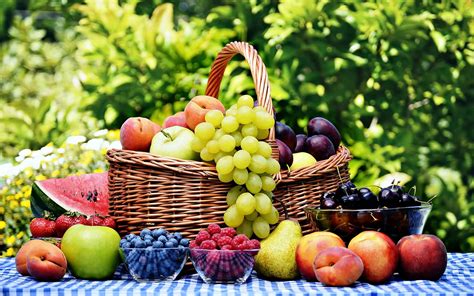
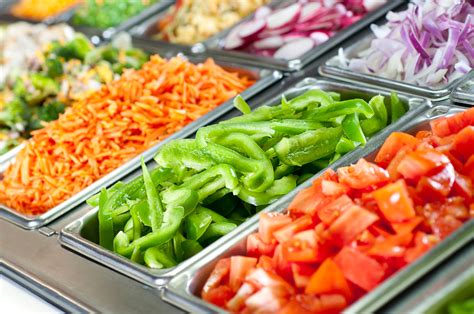
The foundation of a visually stunning dish begins with your ingredients. Opt for the freshest, most brightly colored produce available. Think beyond the recipe’s basic requirements. Can you swap white onions for red onions in a salad for a pop of purple? Add sun-dried tomatoes for deep red, or a handful of fresh spinach for intense green? Consider a spectrum of colors: red bell peppers, orange carrots, yellow corn, green herbs, purple cabbage, and black olives. Don’t be afraid to introduce contrasting colors that naturally complement each other, like green basil on red tomato sauce.
When preparing, minimize techniques that dull colors. For example, boiling vegetables extensively can leach out their vibrancy. Instead, blanching (a quick dip in boiling water followed by an ice bath) can intensify and lock in greens. Roasting vegetables often brings out rich, caramelized colors that are far more appealing than their boiled counterparts.
Cooking Techniques to Preserve & Enhance Color
The way you cook significantly impacts the final visual outcome. Overcooking can lead to dull, muted tones. To keep vegetables crisp and colorful, employ quick cooking methods:
- Steaming: Gentle steaming retains more nutrients and color than boiling.
- Sautéing: A quick sauté with high heat can create bright, tender-crisp vegetables.
- Roasting: High-heat roasting caramelizes natural sugars, creating beautiful browned edges and intensifying colors, especially with root vegetables and brassicas.
- Grilling: Grill marks add appealing visual texture and a smoky char that often contrasts beautifully with the food’s natural color.
For dishes that tend to be monochromatic, like stews or curries, think about adding vibrant elements after the main cooking process or just before serving. A swirl of bright green pesto, a dollop of crimson sriracha, or a sprinkle of fresh cilantro can instantly elevate a dish.
The Art of Plating and Garnishing
Once your food is cooked, presentation is where the magic truly happens. Plating isn’t just about putting food on a plate; it’s about composing a visual story.
Strategic Garnishes for Instant Appeal
Garnishes are your secret weapon for adding immediate color and texture. Always keep a stock of these:
- Fresh Herbs: Chopped parsley, cilantro, dill, basil, mint, or microgreens add vibrant green and a fresh aroma.
- Citrus Zest/Wedges: Lemon, lime, or orange zest provides bright pops of yellow/green/orange and a tangy lift. Wedges are great for adding height and dimension.
- Edible Flowers: Pansies, violas, nasturtiums, or borage can transform a simple dish into an elegant creation.
- Toasted Nuts/Seeds: Almonds, sesame seeds, or pumpkin seeds add texture, a hint of color, and crunch.
- Spices: A final dusting of paprika, chili flakes, or sumac can add a beautiful hue.
- Sauces & Drizzles: A contrasting colored sauce, a swirl of balsamic glaze, or a drizzle of bright olive oil can create striking patterns.
Plating Techniques for Dynamic Composition
Think like an artist. Consider:
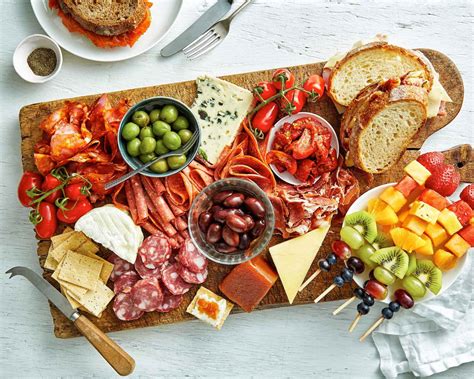
- Contrast: Use contrasting colors (e.g., orange sweet potato next to green broccoli) and textures (creamy mash with crispy skin).
- Height & Dimension: Don’t flatten your food. Stack elements, lean ingredients, and build upwards to create interest.
- Negative Space: Don’t overcrowd the plate. Leaving some white space allows the viewer’s eye to focus on the food and makes the dish feel more refined.
- Rule of Odds: Arrange items in odd numbers (3 or 5) for a more natural and visually pleasing composition than even numbers.
- Cleanliness: Always wipe the edges of your plate clean before serving. Stray drips or crumbs detract from the overall appeal.
Remember, adapting recipes for visual appeal doesn’t require complex culinary skills; it demands a mindful approach to ingredients, cooking methods, and presentation. With a little practice, your everyday meals will not only taste incredible but look picture-perfect on your food feed.