




Best method for crispy roasted vegetables every time?

The Quest for Perfect Crispness
Roasted vegetables are a staple in many kitchens, offering a delicious and nutritious side dish or a versatile base for countless meals. However, the dream of golden-brown, perfectly crisp veggies can often turn into a soggy, steamed reality. The good news is that achieving that coveted crunch isn’t a matter of luck, but rather a mastery of a few simple, yet critical, techniques. Say goodbye to mushy vegetables and hello to consistently crispy perfection!
This guide will walk you through the essential steps and expert tips to ensure your roasted vegetables come out beautifully caramelized and wonderfully crisp, every single time. It’s about understanding the science behind the sizzle and applying best practices in your kitchen.

Foundation 1: The Right Vegetables & Preparation
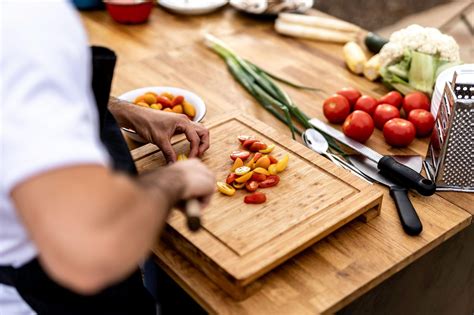
The journey to crispiness begins long before your vegetables hit the oven. Start with fresh, firm vegetables. Root vegetables like potatoes, carrots, parsnips, and sweet potatoes, as well as cruciferous vegetables like broccoli, cauliflower, and Brussels sprouts, are excellent candidates for roasting. Cut them into uniform sizes to ensure even cooking. This prevents smaller pieces from burning while larger ones remain undercooked.
Perhaps the most crucial, often overlooked step, is ensuring your vegetables are bone dry. Moisture is the enemy of crispiness. After washing, pat your vegetables thoroughly with paper towels, or even better, let them air dry for a bit. Any residual water will steam the vegetables instead of allowing them to roast and caramelize, leading to that dreaded soggy texture.
Foundation 2: Optimal Oil, Seasoning, and Temperature
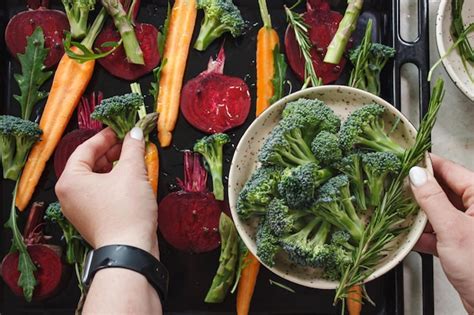
Once dry, your vegetables need a proper coating of oil. Use a high smoke point oil like olive oil, avocado oil, or grapeseed oil. The goal is to coat each piece lightly and evenly, not drench them. Too little oil and they might stick or dry out; too much and they could become greasy. A good rule of thumb is about one to two tablespoons of oil per pound of vegetables.
Season simply with salt and freshly ground black pepper before roasting. The salt not only enhances flavor but also helps draw out moisture, contributing to crispness. Other seasonings, like herbs, garlic powder, or spices, can be added at this stage or closer to the end of cooking, depending on their heat tolerance.
High heat is non-negotiable for crispy results. Preheat your oven to a minimum of 400°F (200°C), and often 425°F (220°C) is even better. Place your empty baking sheet in the oven while it preheats. A hot pan immediately sears the vegetables, creating a crust and preventing sticking, which is key for developing crisp edges.
Foundation 3: Spacing and Roasting Technique
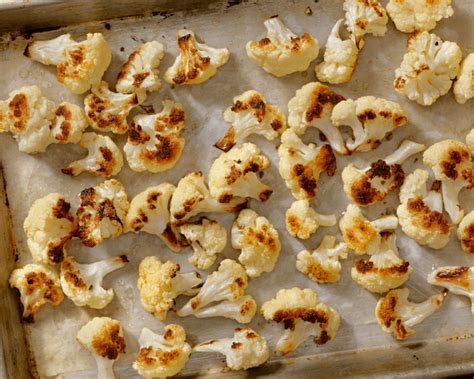
This is where many home cooks go wrong: overcrowding the pan. When vegetables are packed too closely, they release moisture, creating steam rather than allowing them to roast. This results in soft, steamed vegetables instead of crispy ones. Always spread your vegetables in a single layer with plenty of space between each piece. If necessary, use two baking sheets to avoid overcrowding.
For best results, use a large, heavy-duty baking sheet, preferably light-colored to prevent over-browning. Lining the pan with parchment paper can help with cleanup and further prevent sticking, though a well-oiled pan can achieve similar results. Resist the urge to constantly stir or flip your vegetables. Let them sit undisturbed for at least 15-20 minutes to allow a beautiful crust to form on the bottom. Flip them once or twice during cooking to ensure even browning on all sides.
Troubleshooting & Pro Tips
If your vegetables are still coming out soggy, re-evaluate your oven temperature (is it calibrated correctly?), ensure you’re not overcrowding the pan, and double-check that they are thoroughly dry before oiling. Some vegetables, like mushrooms or bell peppers, release a lot of water; these might benefit from a slightly higher temperature or a longer roast time.
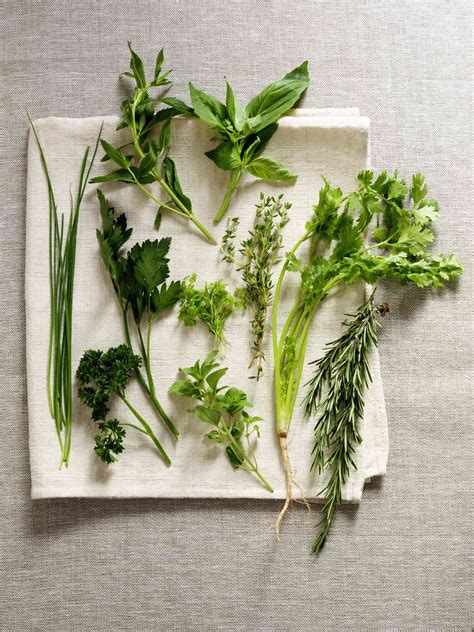
For an extra layer of crispness, especially with potatoes or root vegetables, consider dusting them lightly with a small amount of cornstarch or baking powder after oiling but before seasoning. This creates an even crispier exterior. Remember to finish with a squeeze of fresh lemon juice or a sprinkle of fresh herbs after roasting to brighten flavors and add a fresh touch.

Conclusion: Master the Art
Mastering crispy roasted vegetables is about respecting a few fundamental principles: dryness, uniform cutting, high heat, proper oiling, and adequate spacing. By consistently applying these techniques, you’ll elevate your vegetable game from good to extraordinary. Enjoy the satisfying crunch and rich flavors of perfectly roasted vegetables, every time you cook!