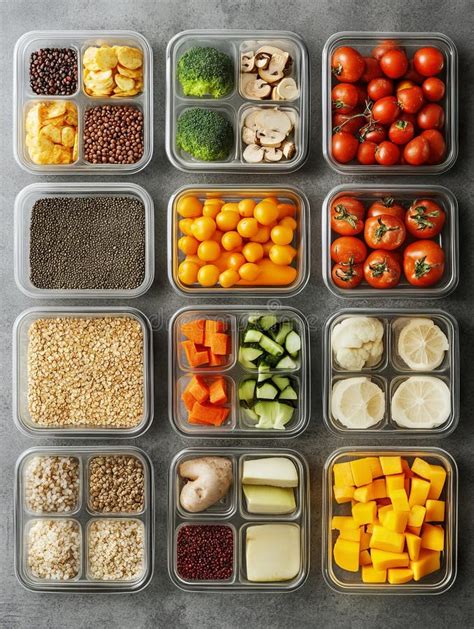





What’s your secret for vibrant, waste-free real food meal planning?

Unlocking the Secret to Sustainable and Delicious Eating
In a world increasingly conscious of both health and environmental impact, the quest for vibrant, real food meals that generate minimal waste has become a top priority for many home cooks. It’s a culinary philosophy that promises not just better nutrition, but also significant savings and a reduced ecological footprint. But how do you achieve this harmonious balance, transforming your kitchen into a hub of efficiency and deliciousness?

1. The Foundation: A Mindful Pantry Audit
The journey to waste-free meal planning begins not at the grocery store, but in your own kitchen. Before you even think about new recipes or ingredients, take stock of what you already have. Regularly auditing your pantry, fridge, and freezer helps you identify ingredients nearing their expiration, forgotten staples, and items that can be incorporated into upcoming meals. This prevents double-purchasing and ensures everything gets used.
Couple this with a “use-it-up” meal strategy. Dedicate one meal a week to utilizing odds and ends – a stir-fry with leftover veggies, a frittata with wilting greens, or a soup from various scraps. This simple habit dramatically reduces potential waste.
2. Plan with Purpose: Backward & Seasonal Thinking
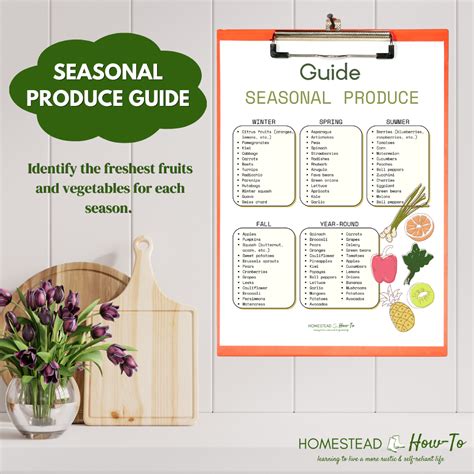
Instead of starting with a blank slate, consider what’s seasonal and what needs to be consumed. Planning meals backward means looking at your existing ingredients first, then filling in gaps with fresh, seasonal produce. Farmers’ markets are a goldmine for seasonal inspiration, often offering produce at its peak flavor and nutritional value. Embrace versatile ingredients that can serve multiple purposes across different meals, maximizing their utility and minimizing specialized purchases.
3. The Smart Shopper’s Blueprint: Your List
A well-crafted shopping list is your shield against impulse buys and food waste. Base your list strictly on your meal plan for the week, checking against your pantry audit. Categorize items by store section to streamline your trip. When at the store, stick to your list, avoid bulk purchases of perishables you won’t use, and choose unpackaged options when possible to reduce packaging waste.
4. Prep Power: Batching for Success
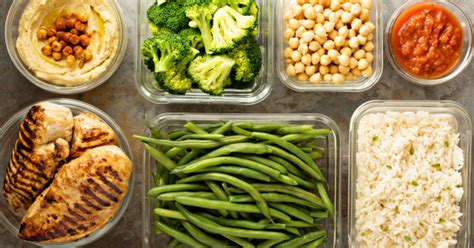
Sunday food prep isn’t just a trend; it’s a cornerstone of waste-free, vibrant eating. Dedicate a few hours to washing, chopping, and pre-cooking ingredients. Roasting a batch of vegetables, cooking a large pot of grains, or prepping protein can save significant time during busy weekdays. Proper storage in airtight containers extends the life of these prepped components, making healthy, quick meals a breeze and reducing the likelihood of food going bad before it’s used.
5. Embrace the Transformation: Creative Leftovers and Storage Savvy
Don’t just reheat leftovers; reinvent them! Yesterday’s roasted chicken can become today’s chicken salad sandwich or tacos. Leftover rice can be fried rice. Think about how to give ingredients a second life. Equally important is understanding proper food storage. Learn the best places for fruits and vegetables – some prefer the fridge, others the counter. Master freezing techniques for extending the life of surplus produce, cooked meals, and even scraps like herb stems or vegetable trimmings for stock.

6. The Scrappy Kitchen: Maximizing Every Morsel
True waste-free cooking extends to what many consider “scraps.” Vegetable peels, onion skins, herb stems, and chicken bones can all be transformed into nutritious homemade broths and stocks. Citrus peels can be candied or used to make infused oils or cleaning sprays. Even coffee grounds have multiple uses! For organic matter that truly can’t be repurposed, composting closes the loop, returning nutrients to the earth rather than sending them to a landfill.
The Sustainable Supper Awaits
Vibrant, waste-free real food meal planning is more than just a culinary technique; it’s a lifestyle choice that enriches your diet, saves money, and champions environmental responsibility. By adopting mindful habits from pantry to plate, you unlock a delicious and sustainable path to nourishing yourself and the planet. Start small, experiment, and discover the joy of a kitchen that truly wastes nothing.