



How do foodies keep produce fresh longer for vibrant recipes?

The Art of Longevity: Keeping Produce Peak for Perfect Plates
For culinary enthusiasts and home cooks alike, the secret to truly vibrant and delicious meals often lies in the quality and freshness of the ingredients. There’s nothing quite like biting into a dish made with perfectly crisp greens, sweet berries, or aromatic herbs. But how do foodies consistently manage to keep their produce at its peak, avoiding waste and ensuring every recipe bursts with flavor?
Understanding Your Produce: The Ethylene Effect
A crucial step in mastering produce longevity is understanding how different fruits and vegetables interact. Some produce items, known as “ethylene producers,” release a natural ripening gas that can accelerate the spoilage of “ethylene-sensitive” items. Foodies know to separate these offenders from their delicate counterparts.
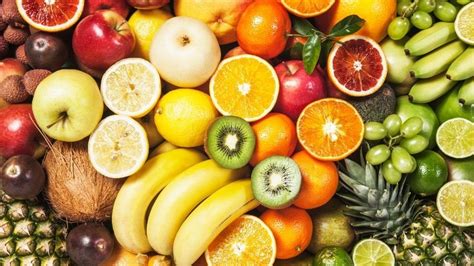
- Ethylene Producers: Apples, bananas, avocados, peaches, pears, tomatoes.
- Ethylene-Sensitive: Leafy greens, broccoli, carrots, cucumbers, eggplant, berries.
Proper separation, often by storing them in different areas of the kitchen or even different drawers in the fridge, is key to preventing premature ripening and spoilage.
Strategic Storage Solutions
Beyond ethylene, the environment in which produce is stored dramatically impacts its lifespan. Foodies employ tailored storage techniques for different types of produce.
Refrigerator Savvy
The fridge is a produce haven for many items, but not all. Leafy greens like spinach, kale, and lettuce thrive when stored in airtight containers with a slightly damp paper towel to maintain humidity without excessive moisture. Berries, delicate and prone to mold, benefit from a quick vinegar-water rinse (1 part white vinegar to 3 parts water) before drying thoroughly and storing in a breathable container in the fridge.
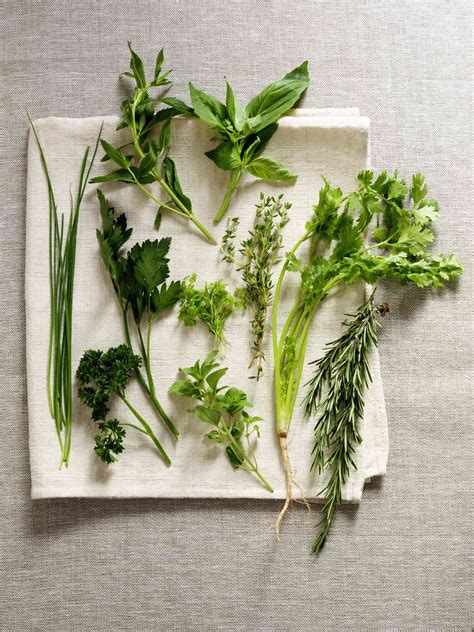
Herbs are another common challenge. Woody herbs (rosemary, thyme, oregano) can be wrapped in a damp paper towel and stored in a bag. Tender herbs (parsley, cilantro, basil) are often treated like flowers: stems in a glass of water, loosely covered with a plastic bag, and refrigerated (except basil, which prefers room temperature).
Countertop & Pantry Perfection
Some produce simply doesn’t belong in the cold. Tomatoes lose flavor and texture in the fridge, preferring a spot on the counter away from direct sunlight. Potatoes and onions should be stored in cool, dark, well-ventilated places, but separately, as onions emit gases that can cause potatoes to sprout faster. Bananas, while ethylene producers, should also stay on the counter until ripe, then they can be refrigerated to slow further ripening, though their skins will blacken.
Beyond the Basics: Advanced Freshness Hacks
Foodies go further than just basic storage. They often pre-treat or revive produce to extend its life or bring it back from the brink.
- Proper Washing and Drying: For many items, especially greens and berries, washing right before use is best. However, if pre-washing, ensure thorough drying with a salad spinner or paper towels before storage to prevent mold.
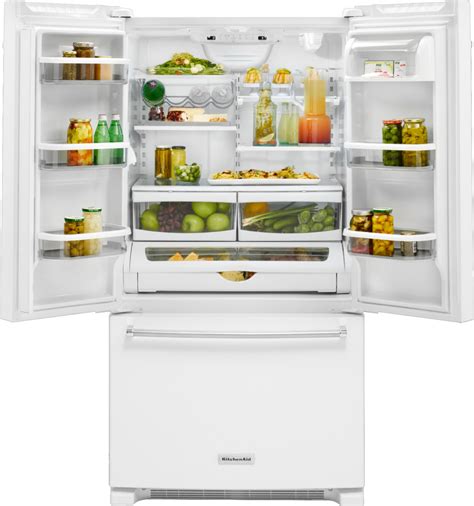
- Crisper Drawer Utilization: These aren’t just random drawers. The high-humidity setting is for ethylene-sensitive, moisture-loving items (greens, carrots), while low-humidity is for ethylene-producing items that need less moisture (apples, pears).
- Reviving Wilted Greens: A quick ice bath can often bring limp lettuce or herbs back to life, rehydrating their cells and restoring their crispness.

Mindful Shopping & Meal Planning
The journey to fresh produce begins even before it enters the kitchen. Foodies are strategic shoppers.
- Buy In-Season & Local: Produce bought in season and locally often travels less distance and is picked at its peak, ensuring longer freshness and better flavor.
- Inspect Carefully: A quick check for blemishes, soft spots, or signs of mold at the grocery store can save future headaches.
- First-In, First-Out (FIFO): Implementing a FIFO system in your fridge means using older produce before newer produce, minimizing waste.
- Meal Planning: Planning meals around perishable items helps ensure they are used efficiently before they spoil.

The Payoff: Vibrant, Flavorful Dishes
Ultimately, all these careful steps in produce preservation lead to one glorious outcome: more vibrant, flavorful, and nutrient-rich dishes. When your ingredients are at their freshest, every bite is a testament to quality, reducing food waste and elevating your culinary creations. By adopting these foodie-approved strategies, anyone can enjoy the benefits of longer-lasting, delicious produce, transforming everyday meals into extraordinary culinary experiences.
![🔥 [63+] Colorful Flowers Backgrounds | WallpaperSafari](/images/aHR0cHM6Ly90czIubW0uYmluZy5uZXQvdGg/aWQ9T0lQLjFnZWZfdlFDalNONk1vMGxTX09ZakFIYUVvJnBpZD0xNS4x.webp)