



What plating & garnishing techniques elevate everyday recipes for stunning visuals?
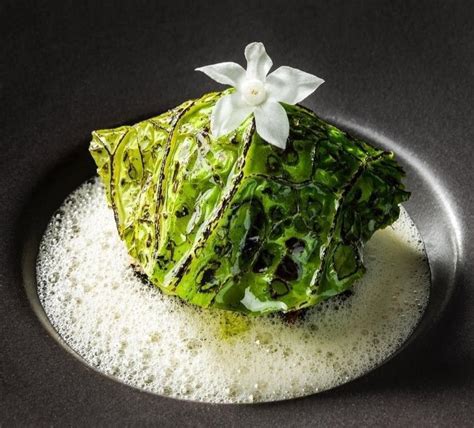
The Power of Presentation: Why Visuals Matter
Food isn’t just about taste; it’s a multi-sensory experience. Before the first bite, we eat with our eyes. A beautifully plated dish can elevate even the simplest home-cooked meal, making it feel more special, appetizing, and memorable. You don’t need a Michelin star chef’s skills to achieve stunning visuals; a few strategic plating and garnishing techniques can transform your everyday recipes.

Fundamentals of Plating for Home Cooks
Plating is essentially arranging food on a plate in an aesthetically pleasing way. Here are some core principles to guide you:
- Balance and Asymmetry: Avoid piling food in the center. Use the rule of thirds or an off-center arrangement to create visual interest.
- Creating Height: Stacking components or leaning elements can add dimension and make a dish look more substantial and elegant.
- Color Contrast: Use ingredients with contrasting colors to make elements pop. Bright greens against a creamy sauce, or vibrant reds against a white plate.
- Texture Variety: Incorporate different textures – crunchy, smooth, crisp, soft – not just for mouthfeel but also for visual appeal.
- Negative Space: Don’t overcrowd the plate. Leaving some white space allows the ingredients to breathe and highlights your focal point.
Mastering Key Plating Techniques
Let’s dive into actionable techniques you can use right away:
1. The Base & Building Up
Start with a sturdy base – perhaps a spread of purée, a bed of grains, or a large vegetable. Then, build upwards, layering components. For instance, a smear of hummus or pesto can be the base for roasted vegetables, stacked neatly.
2. The Art of Saucing
Sauces aren’t just for flavor; they’re excellent for presentation. Drizzle sauces artfully over the dish, create swirls with a spoon, or use a squeeze bottle for precise dots. A pool of sauce under your main component can also be very effective.
3. Odd Numbers & Triangles
Arranging elements in odd numbers (e.g., 3 scallops, 5 asparagus spears) or triangular formations often looks more natural and appealing than even numbers or linear rows.

The Magic of Garnishing
Garnishes are the final touch that adds freshness, color, texture, and often a burst of flavor. They should always be edible and complement the dish.
1. Fresh Herbs
A sprinkle of finely chopped parsley, cilantro, chives, or a few sprigs of dill can instantly brighten any dish. Use them just before serving for maximum freshness and aroma.
2. Citrus Zest or Wedges
A grating of lemon or lime zest adds vibrant color and a burst of fresh fragrance, especially good for seafood, pasta, or desserts. A small wedge of citrus on the side is both functional and visually appealing.
3. Toasted Nuts & Seeds
Toasted slivered almonds, sesame seeds, pumpkin seeds, or pine nuts add a delightful crunch and nutty flavor, perfect for salads, roasted vegetables, or even soups.
4. Edible Flowers
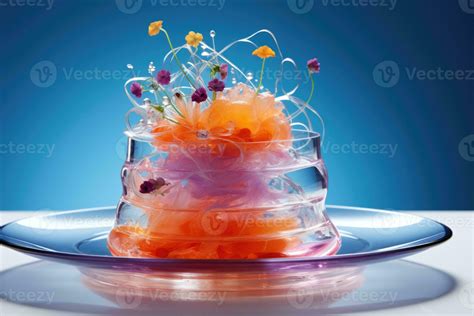
For a touch of elegance and whimsy, edible flowers like pansies, nasturtiums, or borage can transform a simple dessert or salad into a work of art. Ensure they are food-grade and pesticide-free.
5. Spice Dusts & Sprinkles
A light dusting of paprika, chili powder, cocoa powder (for desserts), or even a swirl of balsamic glaze can add visual depth and interest.
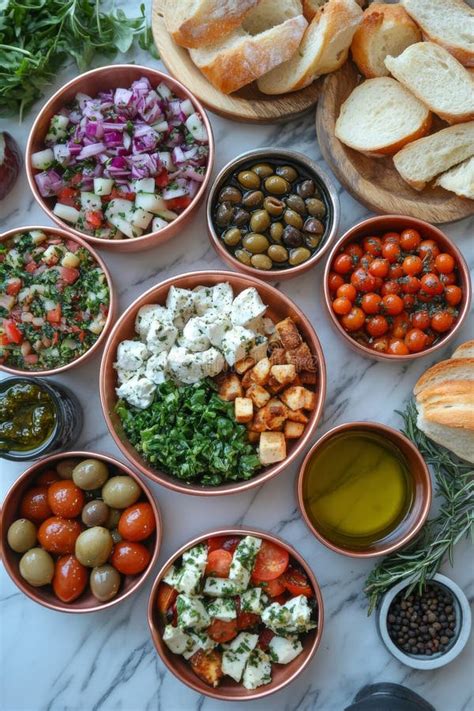
Elevating Everyday Dishes with These Techniques
Let’s apply these ideas to common meals:
- Pasta: Instead of a mound, twirl spaghetti with tongs into a neat nest. Garnish with fresh basil leaves, grated Parmesan, and a drizzle of good olive oil.
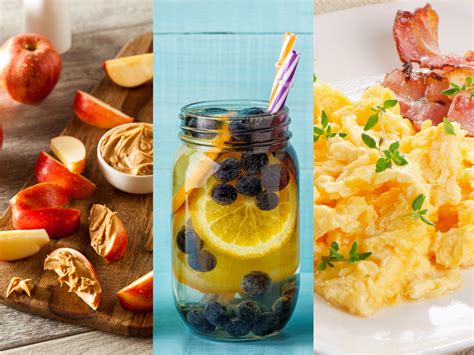
- Scrambled Eggs: Plate them neatly rather than just dumping. Top with chopped chives or a sprinkle of smoked paprika and a side of avocado slices.
- Roasted Vegetables: Arrange them artfully on a platter. A dollop of herbed yogurt or a sprinkle of toasted seeds can make them shine.
- Soups: A swirl of cream or pesto, a sprinkle of croutons, or a few fresh herb leaves can turn a simple bowl of soup into a comforting masterpiece.
- Sandwiches & Burgers: Layer ingredients thoughtfully. A fresh lettuce leaf peeking out, a slice of tomato perfectly placed, and a skewer to hold it all together can make a big difference.
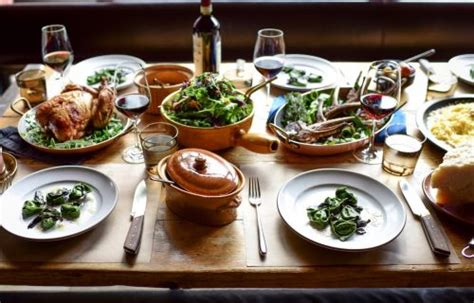
Practice Makes Perfect
Don’t be afraid to experiment! Start with one or two techniques and gradually incorporate more. Pay attention to how food is presented in restaurants or cooking shows for inspiration. Over time, you’ll develop an intuitive sense for what looks good. Remember, the goal is to make your food appealing and inviting, enhancing the overall dining experience for yourself and your loved ones.