



Best phone settings for drool-worthy food adventure photos?

Unleash Your Phone’s Potential for Epic Food Shots
In the age of Instagram and culinary exploration, snapping a truly drool-worthy food photo with your smartphone is more than just point-and-shoot. It’s about understanding your phone’s capabilities and applying a few professional techniques to elevate your culinary captures from good to absolutely gorgeous. Forget bulky cameras; your everyday device holds the key to capturing the essence of your gastronomic adventures.
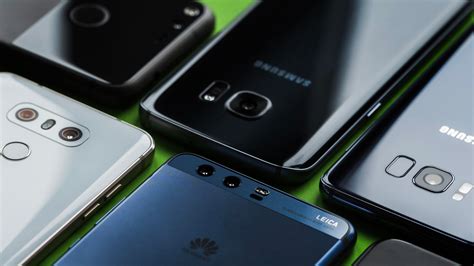
Mastering Your Phone’s Camera App
Before you even think about framing that perfect plate, familiarize yourself with your phone’s native camera app. Many modern smartphones offer surprisingly robust manual controls or Pro modes that can make a huge difference.
- Gridlines: Enable the gridlines (usually 3×3) in your camera settings. These are invaluable for applying the Rule of Thirds and ensuring straight horizons or perfectly centered dishes.
- Focus & Exposure Lock: Tapping on your screen to focus is standard, but did you know you can often tap and hold to lock both focus and exposure? This prevents your phone from refocusing if something moves slightly and keeps your lighting consistent, especially crucial in challenging light conditions.
- Exposure Compensation: Look for a sun icon or a slider near your focus point after tapping. This allows you to manually brighten or darken your shot, which is vital for preventing overexposed highlights or underexposed shadows in tricky lighting.
- HDR Mode: High Dynamic Range (HDR) can be useful for scenes with high contrast (e.g., bright windows and shadowy interiors). It combines multiple exposures to balance light. Use it judiciously, as it can sometimes make food look less natural; often, manual exposure adjustment is better.
The Golden Rule: Embrace Natural Light
The single most impactful setting you can control (or seek out) for stunning food photos isn’t digital – it’s light. Natural light is your best friend. Position your dish near a window or outdoors, but avoid direct, harsh sunlight, which creates strong shadows and blown-out highlights.
Soft, Diffused Light: Overcast days or indirect light from a window is ideal. The light should hit the food from the side or slightly behind (backlighting) to create appealing shadows and depth. If the light is too strong, use a thin white curtain or even a piece of parchment paper as a diffuser.
Avoid Built-in Flash: The harsh, direct light from your phone’s flash will almost always flatten your food, create unpleasant reflections, and wash out colors. If natural light isn’t an option, use a secondary light source like a small LED panel or even another phone’s flashlight bounced off a white surface.

Composition and Angles: Framing Your Feast
How you arrange your shot can be as important as the food itself. Think like a stylist!
- The Overhead Shot (Flat Lay): Perfect for tables laden with multiple dishes, drinks, and props. Shoot directly from above, ensuring the phone is parallel to the table to avoid distortion.
- 45-Degree Angle (Eye-Level): Ideal for dishes with height, like burgers, layered cakes, or tall drinks, showcasing their texture and layers.
- Rule of Thirds: Use your gridlines and place your main subject off-center, at one of the intersecting points. This creates a more dynamic and interesting composition than simply centering everything.
- Negative Space: Don’t be afraid of empty space around your food. It helps the main subject stand out and gives the photo a clean, professional look.
- Depth: Look for elements to include in the foreground or background (slightly out of focus) to add depth and context, such as a hand reaching for a fork or a blurred background of a bustling restaurant.
Post-Processing Perfection: The Final Polish
Even the best shot can benefit from a little post-processing. Your phone’s built-in editing tools, or free apps like Snapseed or Lightroom Mobile, offer powerful adjustments.
- Adjust Exposure & Contrast: Fine-tune brightness and contrast to make your food pop without looking artificial.
- White Balance: Correcting the white balance ensures colors are true-to-life. Food should look appetizing, not sickly yellow or blue.
- Saturation & Vibrance: A slight boost can enhance colors, but be careful not to overdo it, as food can quickly look unnatural.
- Sharpness & Clarity: A touch of sharpness can bring out details, while clarity can add definition to textures. Again, moderation is key.
- Crop & Straighten: Ensure your image is perfectly straight and crop out any distracting elements.
Pro Tips for Next-Level Food Adventures
- Clean Your Lens: A smudged lens is the enemy of sharp photos. Always give it a quick wipe with a soft cloth before shooting.
- Shoot from Different Angles: Don’t settle for the first shot. Move around, experiment with angles, and capture multiple perspectives.
- Tell a Story: Include elements that hint at the experience – steam rising, a chef’s hand, the restaurant ambiance.
- Steady Your Shot: Use two hands, brace your elbows, or consider a mini-tripod for maximum sharpness, especially in low light.
- Get Close: Sometimes, a tight shot focusing on texture or a key ingredient can be incredibly powerful.
Conclusion: Practice Makes Perfect (and Delicious)
Transforming your food photos from mundane to magnificent is an achievable feat with your smartphone. By understanding your camera’s settings, prioritizing natural light, mastering composition, and applying thoughtful edits, you’ll be well on your way to capturing images that not only showcase your culinary adventures but also make mouths water. So, next time you encounter an exquisite dish, pause, apply these tips, and prepare to capture its deliciousness in all its glory.