




Why do my vibrant sauces often dull? Tips for maximum visual color and gloss retention?

Few things are as disappointing in the kitchen as a sauce that starts out a brilliant red, vivid green, or rich orange, only to fade into a dull, lifeless hue by the time it reaches the plate. Beyond flavor, the visual appeal of a sauce is paramount to an enticing dish. So, why do your beautifully crafted sauces lose their luster, and what can you do to keep them looking as good as they taste?
Understanding Why Sauces Dull
The vibrancy of a sauce is often a delicate balance of chemical reactions and physical properties. Several factors contribute to the dreaded dullness:
- Oxidation: Exposure to air, especially for sauces rich in chlorophyll (like pesto or chimichurri) or carotenoids (tomato sauces), can cause pigments to break down and lose their brightness.
- Overcooking/Excessive Heat: Prolonged heat is a primary culprit. High temperatures degrade heat-sensitive pigments. Chlorophyll, responsible for green hues, quickly turns an olive-drab color when overcooked. Carotenoids in tomatoes, while relatively heat-stable, can still darken or lose their intensity with extended heat exposure.
- pH Levels: The acidity or alkalinity of a sauce can dramatically impact color. An overly alkaline environment can destroy certain pigments, while a balanced acidity often helps to preserve and even brighten them.
- Ingredient Quality: Dull or old ingredients will inevitably lead to a dull sauce. Freshness is key.
- Starch & Flour: While useful for thickening, large amounts of flour or starch can make a sauce look cloudy or opaque, diminishing its natural color and gloss.

Boosting and Retaining Vibrant Color
Achieving and maintaining brilliant color in your sauces is an art, but one based on sound culinary science:
1. Start with Peak Freshness
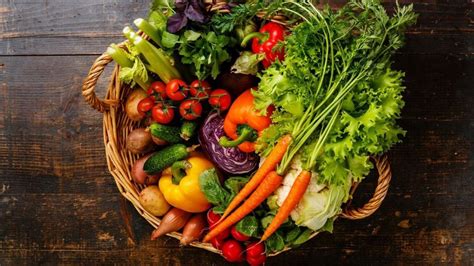
There’s no substitute for fresh, high-quality ingredients. Use bright, unblemished vegetables and herbs at their prime. If your tomatoes are pale, your sauce will be too.
2. Master Quick Cooking & Blanching
- For Greens: When making green sauces like pesto or herb-based purees, blanching leafy greens (basil, spinach, parsley) in boiling, salted water for just 15-30 seconds, then immediately plunging them into an ice bath, locks in their vibrant green. This stops enzymatic browning.
- For Reds/Oranges: Minimize cooking times for tomato or pepper-based sauces where possible. Sautéing quickly or roasting at a higher temperature for a shorter duration can preserve color better than a long, slow simmer, unless slow cooking is essential for flavor development, in which case a touch of acidity at the end can help.
3. Leverage Acidity
A touch of acid at the right time is a game-changer. Lemon juice, lime juice, or a splash of white wine or vinegar added near the end of cooking can brighten the colors of many sauces, particularly reds and greens. The acid stabilizes pigments and provides a fresh counterpoint to rich flavors.
4. Protect from Air
Once made, sauces can continue to oxidize. Store sauces in airtight containers, pressing plastic wrap directly onto the surface of the sauce to create a barrier against air.
The Secret to Irresistible Gloss
A glossy sauce shimmers and reflects light, signaling richness and proper emulsification. Here’s how to achieve it:
1. Emulsification is Key
Many sauces achieve gloss through emulsification – the smooth blending of fat and liquid. Sauces like hollandaise, beurre blanc, or even a well-made vinaigrette are inherently glossy. Slowly whisking in butter or oil into a liquid base creates a stable emulsion that reflects light beautifully. For other sauces, blending in a touch of neutral oil or cream can help.
2. The Magic of Reduction
Reducing a sauce concentrates its flavors and naturally occurring starches/pectins, creating a thicker, more viscous consistency that often has a beautiful sheen. However, be careful not to over-reduce, which can lead to a sticky, dull texture.
3. Finish with Fats
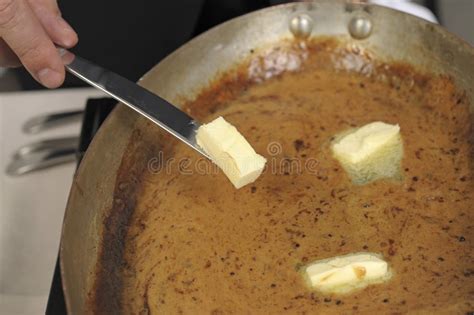
- Monte au Beurre: Swirling cold, unsalted butter into a sauce off the heat (known as ‘monter au beurre’) is a classic technique for adding richness, body, and a magnificent gloss. The cold butter emulsifies into the hot sauce, creating a smooth, velvety finish.
- Good Quality Olive Oil/Cream: A final drizzle of extra virgin olive oil or a swirl of heavy cream can lend a lovely sheen and luxurious mouthfeel to many sauces.
4. Be Mindful of Thickeners
While cornstarch and arrowroot can provide a clear, glossy finish when used correctly and sparingly, flour-based roux can sometimes make sauces opaque. If you need to thicken, consider pureeing a portion of your vegetables back into the sauce, or using a light touch of cornstarch slurry added at the end.
5. Proper Cooling and Reheating
Rapidly cool sauces by placing the container in an ice bath to stop further cooking and preserve color. When reheating, do so gently over low heat, stirring frequently, to prevent scorching and further dulling.
By understanding these principles and applying these techniques, you can ensure your sauces not only tantalize the taste buds but also dazzle the eyes, elevating your culinary creations from good to truly unforgettable.