




Smart storage for farm-fresh produce: keeping ingredients photo-ready longer?

Maximize Freshness: The Art of Storing Farm-Fresh Produce
There’s nothing quite like the vibrant colors and rich flavors of farm-fresh produce. Whether you’ve just returned from the farmers’ market, harvested from your garden, or received a CSA box, the goal is always the same: keep those ingredients looking and tasting their best for as long as possible. Beyond just flavor, many home cooks and food enthusiasts want their produce to remain “photo-ready”—crisp, colorful, and blemish-free—ideal for culinary creations and social media shares. The good news is that smart storage isn’t just about extending shelf life; it’s about preserving peak quality.

Understanding Your Produce’s Unique Needs
Not all produce is created equal, and understanding the specific requirements of different fruits and vegetables is the first step to mastering smart storage. Some thrive in cool, dark environments, while others prefer the crisp air of your refrigerator. Ethylene gas, a natural ripening agent produced by certain fruits, can be a friend or a foe, speeding up the spoilage of sensitive produce if stored incorrectly.
For instance, many fruits like apples, bananas, and avocados produce ethylene, which can cause leafy greens, broccoli, and carrots to spoil faster. Separating these “breathers” from ethylene-sensitive items is crucial.
Key Principles for Prolonged Freshness
Temperature and Humidity Control
- Refrigeration: Most vegetables (leafy greens, carrots, broccoli, berries) benefit from the cold. Store them in the crisper drawer, which is designed to manage humidity.
- Room Temperature: Tomatoes, potatoes, onions, garlic, and most whole fruits (like avocados, bananas, and stone fruits) prefer room temperature until ripe, then some can be refrigerated to slow ripening.
- Dark and Cool: Root vegetables (potatoes, sweet potatoes) and onions/garlic need a dark, cool, dry, and well-ventilated space, not the fridge.
Optimizing Airflow and Moisture
Proper airflow prevents mold and mildew, while controlled moisture keeps produce from wilting or rotting. Overly dry conditions can lead to wilting, especially for leafy greens, while excessive moisture encourages decay.
- Leafy Greens: Wash, dry thoroughly, and wrap loosely in a damp paper towel before placing in an airtight container or a sealed bag in the crisper.
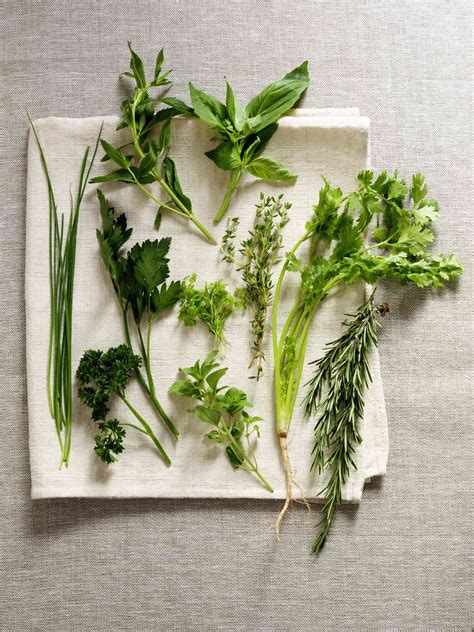
- Herbs: Treat them like a bouquet of flowers. Trim the stems, place them in a jar with an inch of water, and cover loosely with a plastic bag before refrigerating.

Innovative Storage Solutions for Picture-Perfect Produce
Investing in the right tools can make a significant difference in how long your produce stays photo-ready:
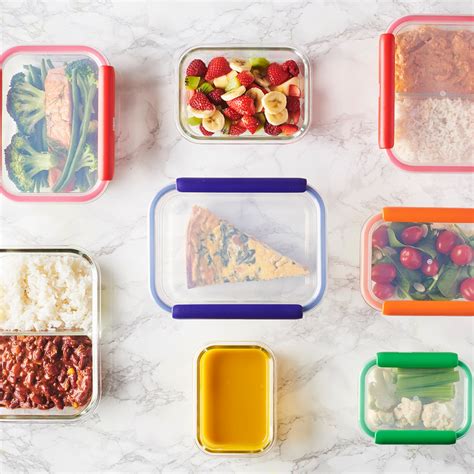
- Airtight Containers: Excellent for cut fruits and vegetables, keeping air out and moisture in. Look for containers with adjustable vents for different produce types.
- Reusable Produce Bags: Breathable mesh bags are ideal for storing produce that needs some airflow in the fridge, like bell peppers or cucumbers.
- Glass Jars: Perfect for storing washed and prepped greens or berries, providing an airtight seal and visibility.
- Specialized Produce Keepers: Some brands offer containers specifically designed to create optimal humidity and ventilation for various produce items.

Tips for Maintaining “Photo-Ready” Appeal
Beyond basic storage, a few extra steps can ensure your produce always looks its best:
- Gentle Handling: Bruises lead to quicker spoilage and unsightly spots. Handle your produce with care from market to fridge.
- Wash Just Before Use: While some greens benefit from a pre-wash, most produce is best washed right before you’re ready to cook or eat it to avoid introducing excess moisture that can accelerate decay.
- Store Whole When Possible: Cutting produce exposes more surface area to air, speeding up oxidation and spoilage. Slice and dice only when necessary.
- Regular Checks: Periodically inspect your stored produce. Remove any items showing signs of spoilage immediately to prevent it from affecting neighboring items.
Embrace Freshness and Reduce Waste
Mastering smart storage for your farm-fresh produce is more than just a kitchen hack; it’s a commitment to reducing food waste, savoring peak flavors, and ensuring your culinary creations always start with the most vibrant, visually appealing ingredients. With a little knowledge and the right techniques, you can keep your kitchen stocked with photo-ready produce, ready for any recipe or snapshot.