



How do I capture mouth-watering food photos at busy local markets?

Embracing the Culinary Chaos: Your Guide to Market Food Photography
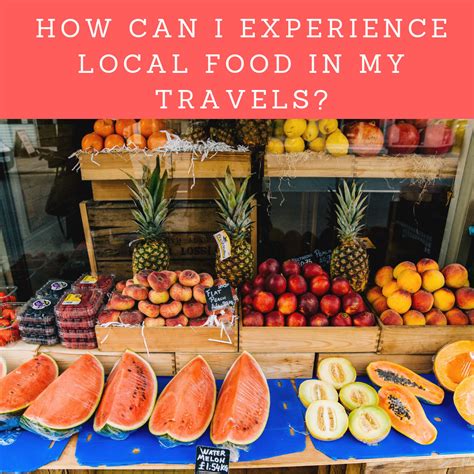
Local markets are a sensory feast, brimming with vibrant colors, unique textures, and, most importantly, incredible food. However, capturing the essence of these culinary delights amidst bustling crowds, varied lighting, and a dynamic environment can be a daunting task. Fear not, aspiring food photographers! With a few strategic approaches and a keen eye, you can transform the chaos into captivating, mouth-watering images that tell a delicious story.
Preparation is Key: Gear Up and Scout Ahead
Before you even set foot in the market, a little preparation goes a long way. Consider what kind of shots you want to achieve. Do you want close-ups of ingredients, candid shots of vendors, or wider scene-setting photos? Your gear choice should reflect this. A versatile lens (like a 50mm prime or a standard zoom) is often ideal. Check the market’s operating hours and peak times; visiting during off-peak hours might offer a less crowded experience, but peak times often bring the most vibrant energy.

Navigating the Bustle: Patience and Quick Reflexes
Busy markets mean people. Lots of them. Embrace the energy, but also be prepared to be patient. Wait for gaps in the crowd, observe interactions, and anticipate moments. Often, the best shots happen quickly, so keep your camera settings (ISO, aperture, shutter speed) adjusted to the prevailing light conditions so you can react swiftly. Don’t be afraid to shoot from a lower angle to minimize distracting backgrounds or to get a unique perspective on a vendor’s stall.
Mastering the Light: Your Best Friend and Foe
Natural light is king in market photography, but it can be tricky. Overhead sun can create harsh shadows, while covered stalls might be dimly lit. Look for areas with soft, diffused light, perhaps under an awning or in the shade. Backlighting can create beautiful rim light around your subjects, highlighting textures. If a scene is too dark, try boosting your ISO (within reason) or finding an angle that catches more ambient light. Avoid using flash unless absolutely necessary, as it can often wash out colors and look unnatural.
Composition and Storytelling: Beyond the Plate
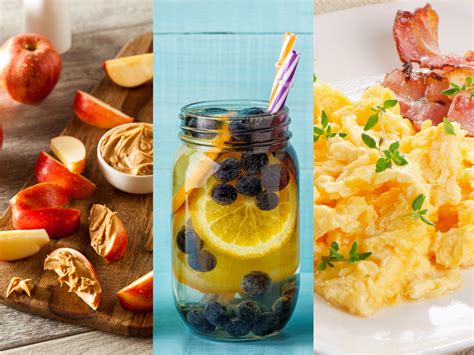
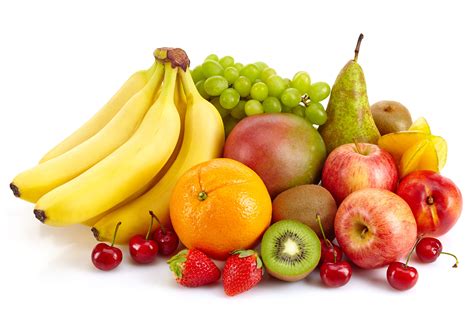
Beyond simply photographing food, aim to tell a story. Think about composition: the rule of thirds, leading lines, and framing can elevate your shots. Get close to capture intricate details of ingredients or cooked dishes. Don’t forget the hands that prepare the food, the vibrant stalls, or the enthusiastic customers – these elements add context and authenticity. Focus on capturing the ‘before’ (raw ingredients) and the ‘after’ (prepared dishes) to showcase the journey of the food. A shallow depth of field can beautifully isolate your subject from a busy background.

Engaging with Vendors: Respect and Opportunity
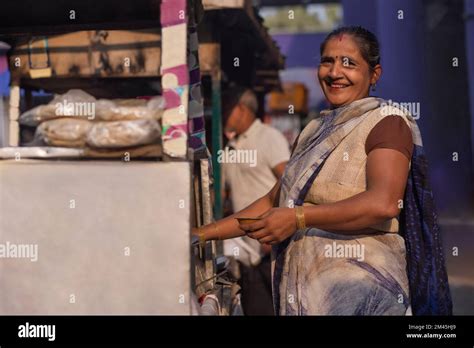
Vendors are often the heart and soul of the market. A polite smile and asking for permission before taking photos can open doors to incredible opportunities. They might even offer you a taste or share a story about their produce. Being respectful not only ensures a positive experience for everyone but can also lead to more candid and genuine photographs. A quick thank you goes a long way, and sometimes, even purchasing a small item can be a lovely gesture.
Post-Processing: Enhancing Natural Beauty
Once you’ve returned from the market, basic post-processing can significantly enhance your photos. Adjusting exposure, contrast, white balance, and saturation can bring out the vibrant colors and rich textures of the food. Cropping can refine your composition, and a touch of sharpening can make details pop. The goal is to enhance the natural beauty you captured, not to create something artificial. Keep it subtle and true to the scene.

The Flavor of Success
Capturing mouth-watering food photos at busy local markets is a delightful challenge that sharpens your photographic skills and connects you more deeply with the local culture. Be observant, be patient, and most importantly, enjoy the adventure. Each visit offers new opportunities to tell a unique culinary story. With practice, your market food photography will undoubtedly become as irresistible as the food itself!