



Recipe plating secrets: How to make food look its best for photos?
The Art of Visual Gastronomy: Why Plating Matters for Photos
In the age of social media, a delicious recipe is only half the story; its visual presentation often determines its virality and appeal. Whether you’re a food blogger, home chef, or simply love sharing your culinary creations, mastering the art of food plating is crucial for making your dishes shine in photographs. This guide will walk you through the essential techniques and secrets to elevate your food’s aesthetic from good to absolutely stunning.
Mastering the Fundamentals: Composition and Balance
1. Embrace the Rule of Thirds and Focal Point
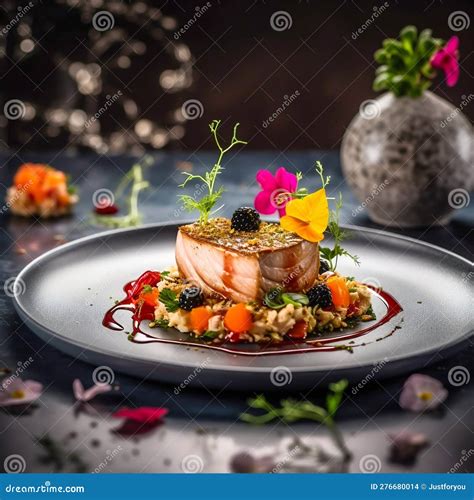
Just like in any visual art, the rule of thirds is your best friend. Imagine your plate divided into nine equal sections by two horizontal and two vertical lines. Place your main ingredients at the intersections of these lines or along them to create a dynamic and balanced composition. Always aim for a clear focal point – the hero of your dish – and build around it.
2. Play with Color, Texture, and Contrast
A monochromatic dish can be delicious, but it rarely makes for an exciting photograph. Introduce contrasting colors (e.g., a vibrant green herb against a rich red sauce), varied textures (crunchy croutons, smooth purée), and different shapes to add visual interest and depth. Think about how each element contributes to the overall palette and tactile experience.
3. Build Height and Dimension
Flat food photographs poorly. Add height by stacking ingredients (like pancakes or burger components), leaning elements against each other, or mounding purées. This creates shadows and highlights, giving your dish a three-dimensional quality that leaps off the screen.
Advanced Plating Techniques for Impact
1. The “Clock Face” Method
A classic plating technique, imagine your plate as a clock. Place carbohydrates (e.g., pasta, rice) between 11 and 1 o’clock, vegetables between 2 and 5 o’clock, and protein (e.g., meat, fish) between 6 and 9 o’clock. This ensures a balanced distribution of components and guides the eye.
2. Utilize Negative Space
Don’t overcrowd your plate! Negative space (the empty areas on the plate) is just as important as the food itself. It allows the eye to rest and highlights the beauty of your carefully arranged components. A cleaner, less cluttered plate often looks more sophisticated and appealing.
3. Create a Narrative
Think about the story your dish tells. Is it rustic and comforting, or elegant and refined? Let your plating style reflect this narrative. Arrange ingredients in a way that suggests movement or a natural flow, inviting the viewer to explore the dish.

The Power of Garnishes and Finishing Touches
1. Fresh Herbs and Zest
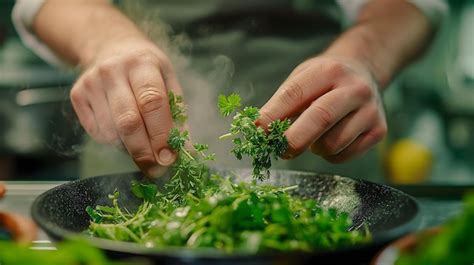
A sprig of fresh parsley, cilantro, or a curl of citrus zest can instantly brighten a dish, adding a pop of color and freshness. Always use fresh, vibrant garnishes – wilted herbs detract from the presentation.
2. Sauces and Drizzles
Sauces can be used artistically. Drizzle them elegantly over the main components, create a swoosh or a dot pattern on the plate, or serve them in a small ramekin alongside. Ensure sauces are thick enough to hold their shape and not run all over the plate.
3. Edible Flowers and Microgreens
For a touch of gourmet elegance, edible flowers and microgreens add delicate color, texture, and a sense of refinement. Use them sparingly to enhance, not overpower.
4. Powders and Spices
A light dusting of paprika, cocoa powder, or cinnamon through a stencil can add a professional, artistic touch to desserts or savory dishes.
Common Plating Mistakes to Avoid
- Overcrowding: Less is often more. Give your ingredients room to breathe.
- Sloppiness: Clean edges and a pristine plate are paramount. Wipe away any drips or smudges before photographing.
- Ignoring Texture: A plate full of soft foods lacks visual excitement.
- Poor Lighting: While not a plating secret, even the best-plated dish will look dull under bad lighting. Use natural light whenever possible.
Conclusion: Practice Makes Perfect
Mastering recipe plating is a skill that develops with practice and observation. Start by experimenting with different arrangements, observe professional food stylists, and pay attention to how your favorite restaurants present their dishes. With a keen eye for detail and these secrets in your toolkit, you’ll soon be transforming everyday meals into photographic masterpieces, captivating your audience one delicious, beautifully plated shot at a time.