



How can recipe ingredients and prep steps be optimized for stunning visual plating?

The Foundation of Visual Plating: Beyond the Plate
Stunning food presentation isn’t merely an afterthought applied just before serving; it’s a holistic process that begins at the very first step of recipe development and ingredient selection. Optimizing for visual appeal means considering how each component contributes to the final aesthetic, from its color and texture to its shape and how it holds up to cooking. By integrating plating considerations into the ingredient list and prep steps, home cooks and professional chefs alike can elevate their dishes from delicious to truly memorable.
Ingredient Selection: The First Brushstroke
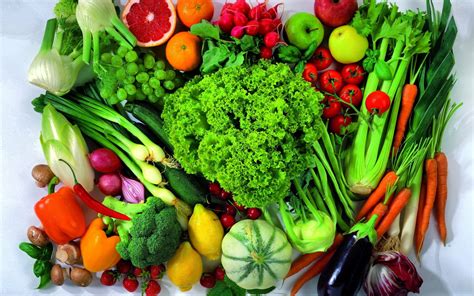
The journey to a visually appealing dish starts with the ingredients themselves. Prioritize fresh, vibrant produce, high-quality proteins, and aromatic herbs. Think about the natural colors and how they will interact on the plate. A monochromatic dish can be elegant, but contrasting colors often create a more dynamic and inviting presentation. Consider ingredients that offer a variety of natural shapes and sizes, which can add visual interest without extra effort.
For example, using different colored bell peppers or heirloom tomatoes not only adds flavor depth but also inherent visual appeal. Choose herbs that maintain their vibrant green color through preparation, like flat-leaf parsley or chives, over those that might wilt or brown easily.
Precision in Prep: Maintaining Integrity and Form
1. Consistent Knife Cuts
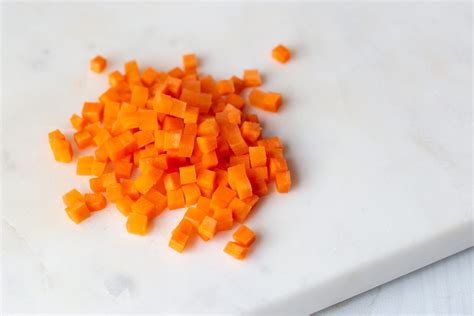
Uniformity in cutting isn’t just for even cooking; it’s crucial for plating. Consistent knife cuts create a sense of order and professionalism. Whether julienning vegetables, dicing onions, or slicing meat, precision ensures that each piece is a similar size and shape, contributing to a harmonious visual composition on the plate.
2. Blanching and Shocking Vegetables
To preserve the vibrant colors of green vegetables like broccoli, asparagus, or green beans, blanching them in boiling salted water and then immediately shocking them in an ice bath is indispensable. This stops the cooking process and locks in chlorophyll, keeping them bright and appealing rather than dull and overcooked.
3. Roasting and Searing for Color and Texture
Techniques that create appealing browning, like roasting or searing, are key. A beautifully caramelized crust on roasted vegetables or a perfectly seared piece of fish adds significant visual depth and texture. Ensure adequate space in the pan to allow for proper browning, preventing steaming and dulling.
Strategic Use of Color and Contrast
When planning your recipe, consider the overall color palette. Aim for a balance of colors that are either complementary or contrasting. A plate with too many similar colors can appear flat, while a well-chosen mix creates excitement. Think about garnishes from the outset: a sprig of fresh dill on salmon, a sprinkle of paprika on a creamy soup, or edible flowers can introduce a pop of color that elevates the entire dish.
Even ingredients like sauces can be optimized for color. A vibrant green pesto, a rich red tomato sauce, or a bright yellow hollandaise can serve as a colorful base or accent, strategically applied to enhance the visual appeal.

Texture and Shape Variation
A visually appealing dish often features a variety of textures and shapes. Incorporate elements that are crunchy, creamy, smooth, and crisp. For example, a dish might combine a silky purée with a crunchy component like toasted nuts or fried shallots, alongside a tender protein. Similarly, vary the shapes of your ingredients – a mix of round slices, delicate juliennes, and rustic crumbles can be more engaging than uniform cubes.

Sauces and Garnishes: The Final Touches, Pre-Planned
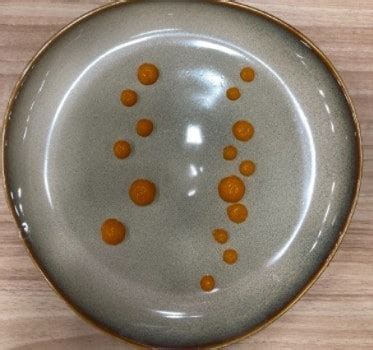
While sauces and garnishes are applied at the end, their role in plating should be considered during the prep phase. How will the sauce be applied – a delicate drizzle, a swish, or a pool? Will it be thick enough to hold its shape, or will it spread? Prepare garnishes like herb sprigs, citrus zest, or toasted seeds in advance, ensuring they are fresh and ready to add that crucial finishing touch.
Even the vessels for sauces can be prepped. A squeeze bottle for precise sauce application or a small spoon for delicate dots can be part of your mise en place for plating success.
Conclusion
Optimizing recipe ingredients and prep steps for stunning visual plating is an art form rooted in thoughtful planning and precise execution. By considering color, texture, shape, and contrast from the moment you select your ingredients to the final prep, you can ensure that every dish you create not only tastes exquisite but also looks irresistibly beautiful. It’s about building beauty into the very fabric of the recipe, making the plating process an intuitive extension of the cooking itself.