



What visual cues in ‘Visual Bites’ best entice ‘real foodies’ to click recipe links?

The digital age has transformed how we discover food, making visual presentation more critical than ever. For platforms like ‘Visual Bites,’ capturing the attention of a ‘real foodie’ is crucial, yet challenging. These culinary enthusiasts aren’t swayed by just any picture; they seek substance, authenticity, and a hint of the delicious experience that awaits. Understanding what visual cues truly resonate with them is key to turning a casual scroll into a coveted click on a recipe link.
The Discerning Eye of a Real Foodie
Real foodies possess a heightened sense of culinary appreciation. They can often discern the quality of ingredients, the technique involved, and the potential flavor profile simply by looking at a dish. Unlike casual browsers who might be drawn to vibrant colors or extravagant plating, foodies look deeper – for cues of freshness, proper cooking, and a true reflection of the dish’s essence.
For ‘Visual Bites,’ this means moving beyond generic “food porn” and focusing on visuals that speak to a refined palate. It’s about showcasing the integrity of the ingredients and the potential for a genuinely delicious outcome.
Beyond Perfection: Authenticity and Realism
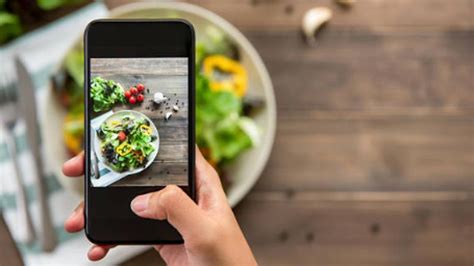
The era of overly staged, artificial-looking food photography is fading, especially for a foodie audience. What truly entices is authenticity. Think natural light, slightly imperfect plating that suggests homemade goodness, and perhaps even a subtle crumb or drizzle that speaks of real-life enjoyment. Images that look too sterile or airbrushed can deter, suggesting a lack of genuine culinary passion.
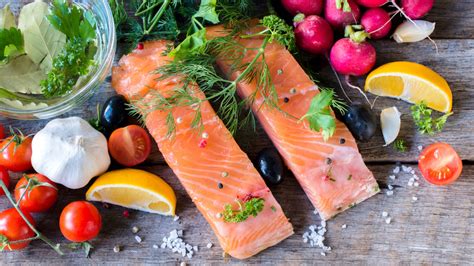
Emphasizing the raw, fresh ingredients alongside the finished dish can also be highly effective. A perfectly ripe tomato, vibrant herbs, or a glistening cut of meat prior to cooking adds a layer of trust and transparency that real foodies appreciate.

The Story on the Plate: Narrative Through Visuals
A truly compelling food photo tells a story. It hints at the cultural origins of a dish, the effort involved in its preparation, or the comforting warmth of a home-cooked meal. Visual cues that evoke emotion – steam rising from a hot bowl, a perfectly caramelized crust, or the rich sheen of a sauce – invite the viewer to imagine the taste, smell, and texture.
Composition plays a vital role. A well-composed shot can highlight key ingredients, showcase intricate techniques (like a perfect pastry layer or a delicate garnish), and guide the viewer’s eye towards the most tantalizing elements of the dish, implicitly creating a desire to recreate or taste it.
Highlighting Key Elements: Texture, Glaze, Freshness
Foodies are highly attuned to texture. A visual cue that emphasizes crispiness, chewiness, creaminess, or a delicate crunch can be incredibly powerful. Close-up shots that reveal the intricate textures of a perfectly baked bread, the flakiness of a fish, or the smooth richness of a custard are far more enticing than a distant, generic overhead shot.
Furthermore, details like a glistening glaze, the delicate char from grilling, or the vibrant natural colors of fresh produce communicate quality and deliciousness. These subtle yet impactful visual cues signal to the foodie that the dish isn’t just visually appealing, but also promises a delightful sensory experience.

The Call to Click: From Visuals to Action
Ultimately, the goal on ‘Visual Bites’ is to prompt a click. The most effective visual cues are those that create an irresistible urge to learn more about the recipe. This isn’t just about making the food look good, but making it look achievable and worth the effort. A clean, well-lit image with clear focus on the food itself, devoid of distracting elements, reinforces professionalism and reliability.
When combined with a clear, concise title and perhaps a tantalizing snippet of description, these high-quality, authentic visuals serve as the primary gateway, assuring the foodie that the underlying recipe will deliver on the promise of the picture.
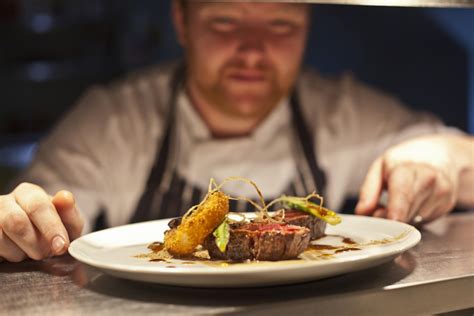
For ‘Visual Bites’ to truly capture the ‘real foodie’ audience, its visual strategy must evolve beyond mere aesthetics. It requires a deep understanding of what makes food visually irresistible to a discerning palate: authenticity, emphasis on texture and freshness, and the ability to tell a compelling culinary story. By focusing on these elements, ‘Visual Bites’ can transform passive scrolling into active engagement, driving those coveted recipe link clicks from the most passionate of food lovers.