




How to make healthy eating visually appealing & delicious daily?

The Art of Eating with Your Eyes First
Eating healthily doesn’t have to mean sacrificing joy or flavor. In fact, research shows that food presentation significantly impacts our perception of taste and satisfaction. When food looks good, we’re more likely to enjoy it, digest it better, and even feel more satisfied with smaller portions. This principle is key to making healthy eating a sustainable and enjoyable daily habit rather than a chore. Let’s explore how to elevate your meals from functional fuel to a feast for the senses.

Embrace the Rainbow: Color and Variety
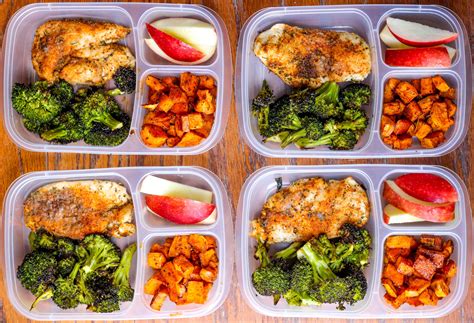
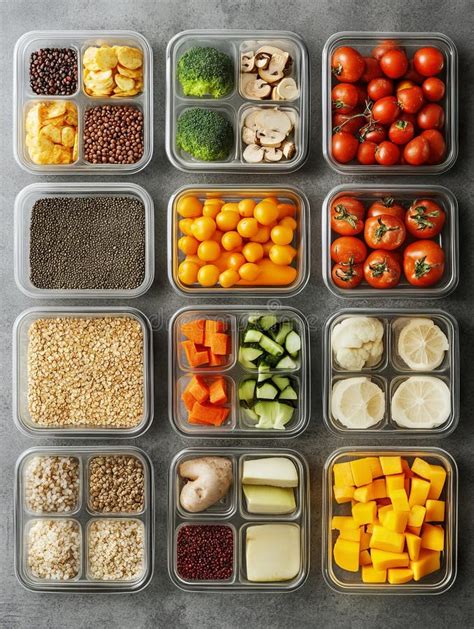
One of the easiest ways to make any dish more appealing is to incorporate a spectrum of colors. Think beyond a monochromatic plate! Different colored fruits and vegetables often indicate a diverse range of vitamins, minerals, and antioxidants. Aim for at least three different colors on your plate at each meal. For instance, a simple chicken breast can be paired with vibrant roasted carrots and bright green steamed broccoli, instantly making the meal more inviting. Don’t be afraid to mix and match!
- Reds: Tomatoes, bell peppers, berries
- Greens: Spinach, kale, avocado, cucumber
- Oranges/Yellows: Sweet potatoes, carrots, corn, citrus fruits
- Purples: Red cabbage, eggplant, blueberries
Texture and Arrangement: A Feast for the Palate
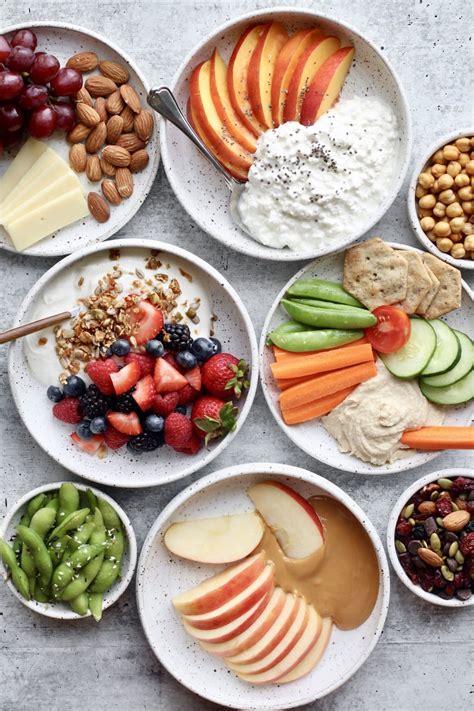
Variety in texture is just as important as variety in color. A plate with uniform softness can be uninspiring. Introduce crunch with nuts or seeds, creaminess with avocado, or chewiness with whole grains. Think about how you arrange your food on the plate too. Instead of piling everything together, consider neat separation or strategic stacking. Using different shaped ingredients, like spiralized vegetables or sliced fruits, can also add visual interest. A thoughtfully arranged plate communicates care and enhances the dining experience.
Garnish and Plating Techniques: The Finishing Touch
Even the simplest meals can be elevated with a thoughtful garnish. A sprinkle of fresh herbs like parsley or cilantro, a squeeze of lemon or lime, a drizzle of high-quality olive oil, or a scattering of toasted sesame seeds can dramatically transform the appearance and aroma of a dish. Consider the plate itself – using a clean, white plate can make colors pop. Pay attention to negative space, allowing elements to breathe rather than crowding the plate. Small details make a big difference.

Flavor First: Making Healthy Delicious
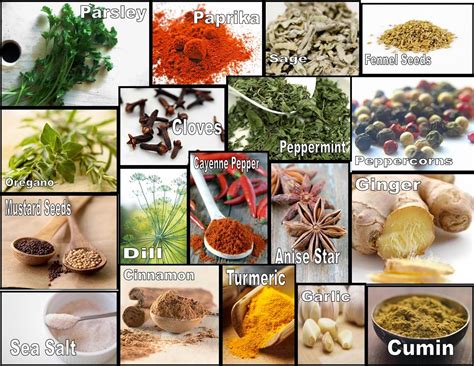
While aesthetics are crucial, taste is paramount. Healthy eating should never compromise on flavor. Experiment with a wide array of spices and herbs to add depth and complexity without relying on excessive salt, sugar, or unhealthy fats. Learn to balance flavors: sweet, sour, salty, bitter, and umami. Roasting vegetables brings out their natural sweetness, while a tangy vinaigrette can brighten a salad. Don’t be afraid to try new ingredients and cooking methods that enhance natural flavors.
Practical Tips for Daily Application
Making healthy eating visually appealing and delicious daily doesn’t require a culinary degree. Start small: invest in fresh herbs, chop vegetables ahead of time, and try one new recipe each week that emphasizes color and texture. Keep a variety of healthy condiments and dressings on hand. Most importantly, approach your meals with mindfulness and an open mind. When you invest a little effort into how your food looks and tastes, you’re not just feeding your body, you’re nourishing your soul and building a positive relationship with food.