




How do foodies store fresh herbs to keep them vibrant & reduce waste?
The Culinary Challenge: Keeping Herbs Alive
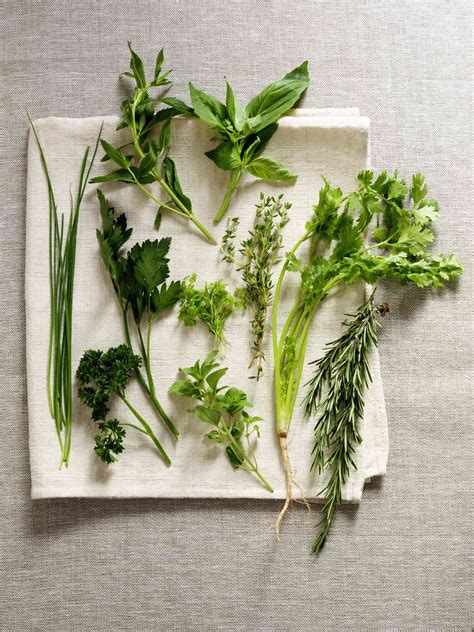
For any true foodie, fresh herbs are non-negotiable. They elevate a dish from good to extraordinary, infusing vibrant flavors and aromas that dried alternatives simply can’t replicate. However, the joy of bringing home a beautiful bunch of basil, cilantro, or parsley often quickly turns into disappointment as leaves wilt and darken within days. The struggle to keep these delicate greens vibrant and reduce waste is real, but with a few insider tricks, you can extend their life significantly, ensuring your culinary creations are always at their best.
The ‘Bouquet’ Method: Best for Woody & Tender Herbs
This classic technique is surprisingly effective and mimics how you might store cut flowers. It works wonders for both woody-stemmed herbs like parsley, cilantro, dill, and mint, as well as some tender varieties such as basil (with a slight modification).
For Woody-Stemmed Herbs (Parsley, Cilantro, Dill, Mint):
- Trim Stems: Just like flowers, snip about half an inch off the bottom of the stems. Remove any leaves that would fall below the waterline.
- Water Bath: Place the trimmed herbs upright in a glass jar or vase with about an inch of fresh water at the bottom.
- Cover & Refrigerate: Loosely cover the herbs with a plastic bag (a produce bag works well), creating a humid environment. Store in the refrigerator. Change the water every 1-2 days.

This method can keep herbs fresh for up to two weeks!
For Basil (Tender & Heat-Sensitive):
Basil is a bit of a diva. It doesn’t like the cold of the refrigerator, which can cause its leaves to blacken. Instead, treat it more like a houseplant:
- Trim & Water: Trim the stems and place the bunch in a glass of water, just as you would with other herbs.
- Room Temperature: Leave the basil on your kitchen counter, out of direct sunlight. Do not cover it. Change the water daily.
Basil stored this way can last a week or more, providing fresh leaves for your pesto or Caprese salad.
The ‘Paper Towel Roll’ Method: For Leafy Greens & Tender Herbs
This technique is excellent for delicate, leafy herbs and also works as an alternative for those that don’t love the water bath, especially if fridge space is tight.
- Wash & Dry Thoroughly: Gently wash your herbs and, most importantly, dry them completely. Excess moisture will cause them to rot quickly. A salad spinner is invaluable here.
- Wrap in Damp Paper Towel: Lay the herbs out on a slightly damp (not soaking wet) paper towel. Roll them up snugly.
- Bag & Refrigerate: Place the wrapped herbs into a resealable plastic bag or an airtight container. Store in the crisper drawer of your refrigerator.
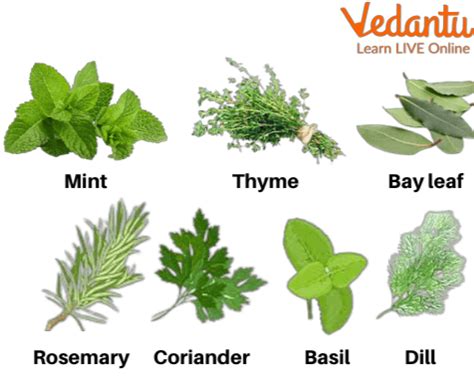
This method works well for cilantro, parsley, dill, chives, and even spinach. They can last for 1-2 weeks.
Freezing Herbs: Long-Term Preservation & Waste Reduction
When you have an abundance of herbs or want to ensure zero waste, freezing is an excellent option. While the texture might change slightly upon thawing (making them less ideal for garnishes), their flavor remains potent, perfect for cooking.
Herb Ice Cubes (Oil or Water):
- Chop Herbs: Finely chop your chosen herbs (e.g., basil, oregano, thyme, rosemary).
- Fill Ice Trays: Place a tablespoon or two of chopped herbs into each compartment of an ice cube tray.
- Add Liquid: For cooking, pour olive oil over the herbs, just enough to cover them. For smoothies or stocks, use water.
- Freeze & Store: Freeze until solid. Once frozen, pop the herb cubes out and transfer them to a freezer-safe bag or container. Label with the herb type and date.

These handy cubes are perfect for tossing directly into soups, stews, sauces, or sautés. They can last for several months.
Flash Freezing & Bagging:
- Wash & Dry: Wash and thoroughly dry whole herb leaves.
- Flash Freeze: Spread the leaves in a single layer on a baking sheet lined with parchment paper. Freeze until solid (about 1-2 hours).
- Store: Transfer the frozen leaves to a freezer-safe bag, pressing out as much air as possible.

This method is great for herbs like dill or parsley, which can then be crumbled directly into dishes.
Additional Tips for Herb Longevity
- Buy Smart: Choose herbs with vibrant, unblemished leaves and strong, fresh aromas. Avoid any with yellowing or wilting signs.
- Harvest Mindfully: If you grow your own herbs, harvest early in the morning after the dew has dried for the best flavor and shelf life.
- Avoid Washing Until Ready: If you plan to use the paper towel method, only wash herbs when you’re ready to store them, ensuring they are completely dry afterwards.
- Location Matters: Be mindful of where you place herbs. Keep them away from ripening fruits, especially bananas and apples, which release ethylene gas that can accelerate spoilage.
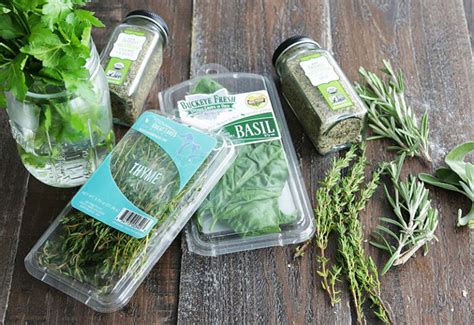
By implementing these tried-and-true foodie strategies, you’ll not only keep your fresh herbs vibrant and flavorful for longer but also significantly reduce food waste in your kitchen. Say goodbye to sad, wilted herbs and hello to a perpetually fresh arsenal of aromatic goodness!