



Quickest ways to elevate dish presentation for stunning foodie photos?
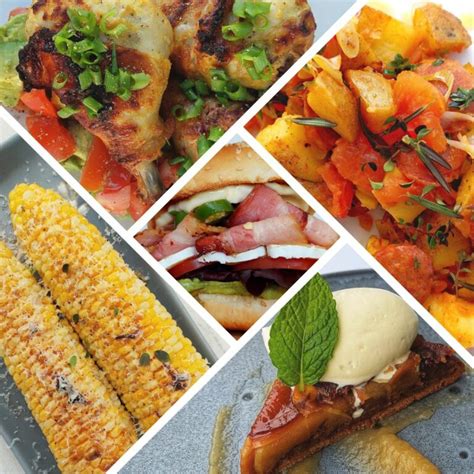
In today’s visually-driven world, a dish isn’t truly enjoyed until it’s been photographed and shared. Whether you’re a home cook, a budding food blogger, or simply someone who loves to capture their culinary creations, mastering dish presentation is key to achieving those scroll-stopping foodie photos. You don’t need to be a Michelin-star chef to make your food look incredible. With a few simple tricks and mindful styling, you can transform ordinary meals into extraordinary visual feasts. Here are the quickest ways to elevate your dish presentation, ensuring every photo is a masterpiece.
Setting the Stage: Plates, Props, and Backgrounds
The foundation of any great food photo starts with a thoughtful backdrop. Forget cluttered counters; simplicity is your best friend. Opt for plain, neutral-colored plates – white, black, or earthy tones work wonders as they let the food be the star. Consider the texture and shape of your plate; a rustic ceramic or a sleek square dish can instantly upgrade the aesthetic. For backgrounds, use simple tablecloths, wooden boards, baking sheets, or even a plain wall. Don’t underestimate the power of props! A beautiful fork, a linen napkin, a small vase with flowers, or a strategically placed ingredient can add context and visual interest without overwhelming the dish.
Remember, less is often more. Choose props that complement, rather than compete with, your food. Ensure they are clean and visually appealing. A cohesive color palette across your props and background will create a harmonious and professional look.
The Art of Garnish and Color
Garnishes are like the jewelry of your dish – they add sparkle and personality. Fresh herbs such as parsley, cilantro, dill, or mint can instantly inject vibrant green and a touch of freshness. A sprinkle of paprika, chili flakes, or sesame seeds can add color and texture. Think about contrast: a bright red cherry tomato on a green salad, or a dollop of creamy white sauce on a dark, rich stew. Use edible flowers for an elegant touch, or a drizzle of balsamic glaze for a gourmet flourish. Don’t just place garnishes randomly; consider how they enhance the overall composition.
Color is paramount. Aim for a balanced color palette that makes your food pop. If your dish is monochromatic, introduce contrasting colors through garnishes or side elements. For instance, a brown roasted chicken can be brightened with a side of colorful roasted vegetables or a sprig of fresh rosemary. The key is to add visual intrigue without making the dish look messy.
Strategic Plating: Composition is Key
How you arrange food on the plate makes a colossal difference. Think of your plate as a canvas. A popular technique is to create height, which adds dimension. Instead of spreading food flat, stack elements when possible, like building a tower with pancakes or layering ingredients in a salad. Use an odd number of items, as this often creates a more aesthetically pleasing and dynamic composition than even numbers.
Another trick is to use negative space effectively. Don’t fill the entire plate; leaving some empty space around your food helps draw the eye to the main subject and creates an elegant, uncluttered feel. Consider the rule of thirds, similar to photography composition, placing key elements off-center for a more engaging look. Tools like squeeze bottles for sauces or tweezers for delicate placements can help you achieve precision.

Embrace Texture and Dimension
Texture is often overlooked but plays a crucial role in making food photos look appealing. A dish with varying textures — crispy, creamy, crunchy, smooth — looks more interesting than one that’s uniformly soft or mushy. Highlight these textures. For example, if you have a dish with a crispy topping, make sure it’s visible and appealing. Drizzle sauces to create swirls or lines that add movement and dimension. A sprinkle of toasted nuts or croutons can provide a delightful crunch and visual interest.
Adding dimension also involves thinking about layers and varying heights. Even a simple sandwich can be elevated by neatly layering ingredients so they peek out, showing off the different components. This makes the dish look more appetizing and sophisticated, enticing viewers to imagine the flavors and mouthfeel.
Lighting and Final Touches
Even the most perfectly plated dish can fall flat without good lighting. Natural light is almost always your best friend for food photography. Place your dish near a window, but avoid direct harsh sunlight which can create unflattering shadows and blown-out highlights. Soft, diffused light from the side or back of the dish works best, highlighting textures and colors beautifully.
Before snapping your photo, do a quick check: wipe away any smudges or drips from the plate rim, ensure your garnishes are perky, and make sure no stray crumbs detract from the main subject. A quick spritz of water can revive wilting greens, and a brush of olive oil can make cooked meats glisten. These final touches are quick but incredibly impactful in perfecting your food presentation for those stunning, shareable foodie photos.

Conclusion
Elevating your dish presentation doesn’t require complex culinary skills or expensive equipment. By paying attention to simple details like plate choice, thoughtful garnishes, strategic plating, highlighting textures, and utilizing good lighting, you can significantly enhance the visual appeal of your food. Practice these techniques regularly, and you’ll soon be creating Instagram-worthy dishes that taste as good as they look. Happy plating!