



Best plating techniques to elevate simple recipes for stunning food photos?

In the age of social media, a delicious meal isn’t just about taste; it’s also about visual appeal. Even the simplest home-cooked recipes can look like gourmet masterpieces with the right plating techniques. Mastering these skills can elevate your food photography, making your dishes irresistible to the eye. It’s about telling a story with your food, creating an experience that begins long before the first bite.
Understanding the Basics of Food Plating
Plating isn’t about being fancy; it’s about thoughtful arrangement. Start by considering balance, color, texture, and height. A well-plated dish feels harmonious and inviting. Think about the focal point of your dish – what do you want viewers to notice first? From there, build around it, ensuring every element has a purpose, both culinarily and aesthetically.
Key Principles for Visual Impact
1. Create a Focal Point: Decide on the star of your dish and place it prominently, often slightly off-center for a dynamic look. This could be a perfectly seared piece of protein or a vibrant vegetable component.
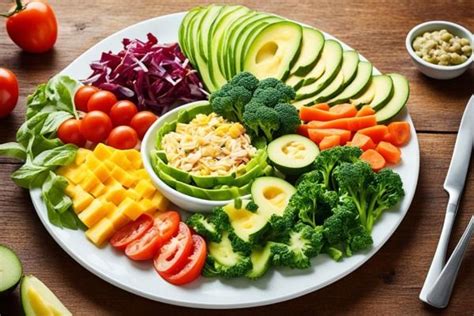
2. Utilize Color and Contrast: Simple recipes often benefit greatly from a splash of color. Think beyond the main ingredients. Fresh herbs, edible flowers, a sprinkle of paprika, or a vibrant sauce can introduce eye-catching contrast and life to your plate. Contrast isn’t just color; it’s also about contrasting textures – crispy against creamy, smooth against rough.
3. Build Height and Dimension: Flat food looks uninspired. By stacking, leaning, or layering components, you add depth and visual interest. For instance, lean asparagus against a piece of chicken, or stack roasted vegetables neatly. Be careful not to make it look like a messy tower, though – aim for elegant elevation.
4. Master Negative Space: Don’t overcrowd the plate. Allowing some areas of the plate to remain empty (negative space) draws attention to the food and makes the presentation feel more refined and less chaotic. It gives the eye a place to rest.
5. Consider the Plate Itself: The canvas matters. White plates often make colors pop, while textured or colored plates can add character. Choose a plate size appropriate for the portion – too large and the food looks meager; too small and it looks cramped.
Practical Techniques for Simple Dishes
Garnishing for Impact
Garnishes are not just for show; they should complement the dish. A sprig of fresh rosemary on roasted potatoes, a twist of lemon zest over pasta, or a scattering of toasted sesame seeds on a stir-fry can add texture, aroma, and a critical visual flourish. Always use fresh, vibrant garnishes that look as good as they taste.
Saucing and Drizzling with Finesse
Sauces can be a powerful plating tool. Instead of just pouring sauce haphazardly, consider elegant drizzles, swirls, or dots. A squeeze bottle or a spoon can help you create intentional patterns. A line of sauce across the plate, a series of dots around the main ingredient, or a careful swirl can transform a plain dish into a work of art. Remember, less is often more with sauces – you want to enhance, not drown, the food.
The Rule of Odds and Asymmetry
When arranging multiple small items (like scallops or cherry tomatoes), group them in odd numbers (3, 5, 7) for a more natural and visually pleasing effect. Asymmetrical arrangements tend to be more dynamic and interesting than perfectly symmetrical ones. Place elements slightly off-center to create tension and movement within the frame.

Beyond the Plate: The Photography Angle
While plating is paramount, remember that good lighting and a clean background are your best friends for stunning food photos. Natural light works wonders, and a simple, uncluttered backdrop ensures your beautifully plated dish remains the star. Experiment with different angles – overhead shots often work well for flat dishes, while eye-level can highlight height and dimension.
Practice Makes Perfect
Don’t be afraid to experiment. Plating is an art form that improves with practice. Start with your favorite simple recipes and try different arrangements, garnishes, and saucing techniques. Take photos from various angles to see what looks best. Soon, you’ll develop an eye for what makes a dish truly ‘pop’ for the camera, turning everyday meals into Instagram-worthy culinary creations.

Elevating simple recipes for stunning food photos isn’t about expensive ingredients or complicated cooking; it’s about thoughtful presentation. By applying these fundamental plating techniques – focusing on color, texture, height, and negative space, and using garnishes and sauces wisely – you can transform any dish into a visually captivating masterpiece, ready for its close-up.