



How to plate vibrant, photogenic dishes from simple ingredients for stunning food photos?
In an age where food is as much about visual appeal as it is about taste, learning to plate your dishes beautifully is an invaluable skill. You don’t need exotic ingredients or advanced culinary techniques to create a feast for the eyes. With a few simple strategies, you can elevate humble ingredients into vibrant, photogenic masterpieces that will impress friends, family, and your social media followers. This guide will walk you through the essential principles of plating, using everyday items to achieve extraordinary results.
The Art of Plating: More Than Just Food
Plating is essentially food styling – arranging food on the plate to enhance its aesthetic appeal. It’s about telling a story, creating balance, and inviting the diner (or viewer) to anticipate the flavors within. When you take the time to plate your food thoughtfully, you elevate the entire dining experience, making even a simple weeknight meal feel special. For food photography, good plating is paramount; it’s the foundation upon which stunning images are built.
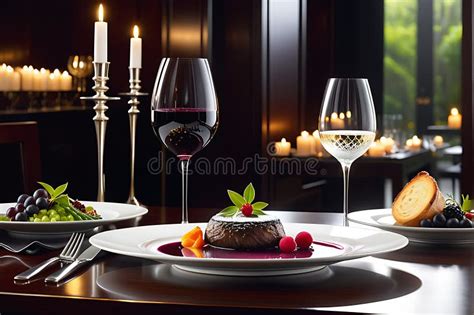
Mastering the Basics of Visual Appeal
Color and Contrast
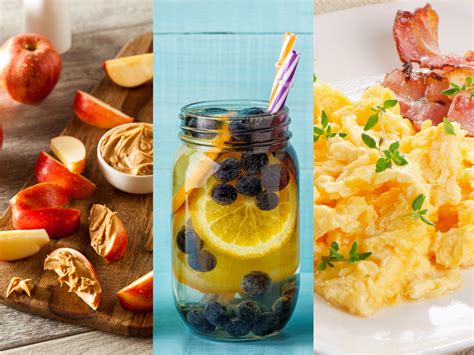
Vibrant colors are key to photogenic food. Think beyond beige! Utilize the natural hues of fresh vegetables, fruits, and herbs. Contrast is crucial too; a bright red tomato pops against a green basil leaf, and a creamy white sauce stands out against a darker protein. Don’t be afraid to add a splash of color with a sprinkle of paprika, a drizzle of balsamic glaze, or a handful of fresh berries.
Texture and Shape
Varying textures adds interest. Pair something crunchy with something creamy, or smooth with coarse. Similarly, play with different shapes – cubes, slices, juliennes, or irregular natural forms – to create dynamic compositions on your plate. A mix of textures and shapes makes the dish visually engaging and more appealing to photograph.
Focal Point and Rule of Odds
Every plate needs a star. Identify the main component of your dish and build around it. This focal point should be the most visually appealing element. The rule of odds suggests that arranging items in odd numbers (e.g., three asparagus spears, five cherry tomatoes) creates a more natural and visually pleasing composition than even numbers.

Leveraging Simple Ingredients for Maximum Impact
The beauty of plating lies in its ability to transform the ordinary. You don’t need expensive ingredients; you need fresh, well-prepared ones.
Fresh Produce is Your Friend
- Herbs: Fresh parsley, cilantro, dill, mint, or basil are instant game-changers. Use whole leaves or finely chopped for a burst of green and freshness.
- Citrus: A wedge of lemon or lime adds a pop of color and promises zest. Zest can also be sprinkled on top for fine texture and aroma.
- Colorful Veggies: Cherry tomatoes, bell peppers, radishes, carrots, and leafy greens can be chopped, sliced, or roasted to add color and structure.
- Berries: A few fresh berries on a dessert or even a savory salad can add a touch of elegance and color.
Sauces, Oils, and Spices
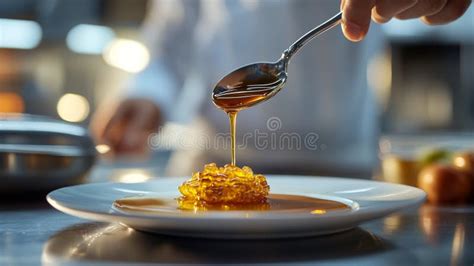
These elements are fantastic for adding an artistic touch. A simple drizzle of olive oil, a swirl of balsamic glaze, or a dotting of a vibrant sauce can tie a dish together and add a professional finish. Ground spices like smoked paprika or chili powder can be sprinkled lightly for color and a hint of flavor.
Step-by-Step Plating Techniques
Choose Your Canvas Wisely
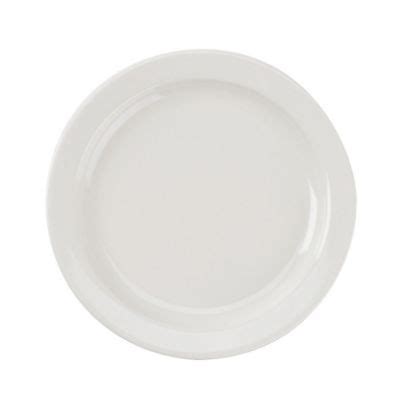
The plate itself is crucial. White or neutral-colored plates allow the food to be the star. Consider the size and shape – a larger plate with ample negative space often looks more elegant and allows for better composition than a cluttered one.
Build from the Base
Start with the main component of your dish, usually a protein or a grain. Place it slightly off-center for a more dynamic look, rather than dead center.
Add Height and Dimension
Food that lies flat looks unappealing. Stack elements, lean them against each other, or use ring molds to build height. This creates visual interest and makes the dish more engaging from different angles.
Garnish with Intention
Garnish isn’t just decoration; it should add flavor and texture. Place garnishes strategically, not just thrown on. A few microgreens, a sprig of rosemary, or a sprinkle of toasted seeds can provide that final, polished touch.

The Final Touch: Photography Tips
Once your dish is perfectly plated, good photography techniques will seal the deal. Always shoot in natural light, ideally near a window, avoiding harsh direct sunlight. Experiment with angles – overhead shots (flat lays) work well for intricate arrangements, while a 45-degree angle captures height and depth. Use a clean background, keep it simple, and focus on the food itself.

Conclusion
Transforming simple ingredients into photogenic dishes is an accessible art form. By focusing on color, texture, shape, and thoughtful arrangement, you can elevate your everyday cooking to a new level of visual appeal. Remember, practice makes perfect. Experiment with different plating styles, take inspiration from chefs and food bloggers, and most importantly, have fun with it. Soon, you’ll be creating stunning culinary compositions that are as delightful to look at as they are to eat.