



What specific visual cues make Visual Bites instantly craveable for real foodies?

For discerning palates and ardent food enthusiasts, the journey to culinary delight begins long before the first bite – it starts with the eyes. “Visual Bites” are more than just pretty pictures; they are meticulously crafted sensory invitations designed to ignite desire. But what precisely are these visual cues that bypass rational thought and go straight to the foodie’s craving center?
The Symphony of Color and Contrast
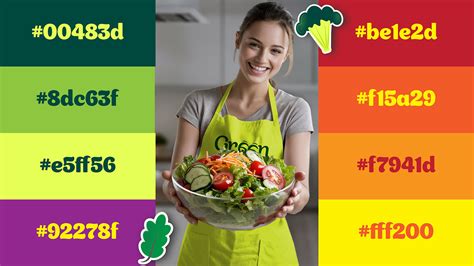
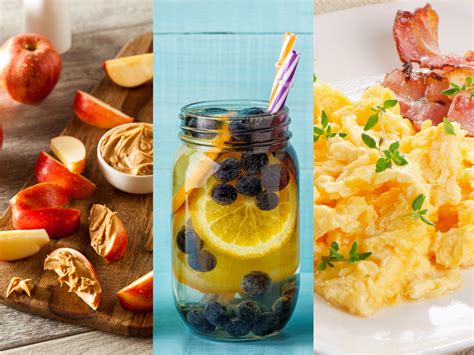
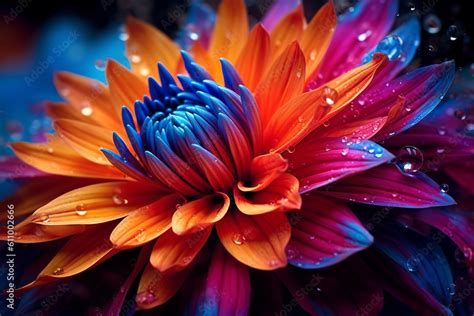
Vibrant, natural colors are perhaps the most immediate indicators of freshness and flavor. A foodie instinctively looks for the rich crimson of a perfectly ripe tomato, the deep green of fresh herbs, or the golden-brown crispness of a roasted dish. The skillful use of contrasting colors—think bright red berries against a creamy white panna cotta, or the stark black of charcoal dust on a vibrant yellow puree—doesn’t just make a dish pop; it creates visual tension that excites the brain and suggests a complex flavor profile.
Texture, Depth, and Dimension
Beyond color, the interplay of textures is paramount. A truly craveable dish boasts a variety of surfaces and forms. Consider the glisten of a perfectly sauced protein, the delicate crunch promised by a sprinkle of toasted nuts, or the smooth elegance of a finely pureed element. Plating that uses height, layers, and negative space adds a crucial three-dimensional quality, inviting the eye to explore and promising a multifaceted experience in the mouth. Flat, monochromatic dishes rarely spark the same level of interest.
The strategic placement of ingredients, allowing some to slightly overlap while others stand distinct, creates a sense of bounty and artfulness. This depth is not merely aesthetic; it hints at the complexity of preparation and the thoughtful combination of ingredients, appealing directly to a foodie’s appreciation for culinary artistry.
The Allure of Light and Composition
Even the most exquisite ingredients can fall flat without proper illumination and thoughtful arrangement. Natural, soft lighting highlights the food’s inherent qualities, making it appear fresh, warm, and inviting. Harsh shadows or overexposed areas detract from the appeal. Composition, the art of arranging elements within the frame of the plate, guides the viewer’s eye. The rule of thirds, leading lines, and a clear focal point ensure that the “hero” ingredient stands out, while supporting elements add balance without clutter.

Cues of Freshness and Artisanal Quality
Real foodies are often seeking authenticity and quality. Visual cues like visible imperfections in artisanal bread, the natural marbling in a cut of meat, or the condensation beads on a chilled beverage subtly communicate freshness and handcrafted effort. Garnishes aren’t just for show; a perfectly placed sprig of microgreens or a swirl of infused oil acts as a finishing touch that signifies attention to detail and a commitment to premium ingredients.
Evoking Emotion and Narrative
Ultimately, the most craveable Visual Bites tell a story. Whether it’s the rustic charm of a dish served in an earthenware bowl, suggesting comfort and tradition, or the minimalist elegance of a deconstructed dessert, hinting at innovation and sophistication, the visual presentation evokes an emotional response. It transports the viewer, sparking memories, desires, and a profound sense of anticipation. This narrative element elevates a mere meal into an experience, an irresistible draw for those who truly live to eat.

The power of visual cues in making food instantly craveable for real foodies is undeniable. From the vibrant play of colors and the tantalizing dance of textures to the masterful use of light and the subtle promises of quality, every element contributes to an irresistible invitation. For chefs and food creators, understanding and leveraging these visual elements isn’t just about presentation; it’s about crafting an experience that begins with the eyes and culminates in pure, unadulterated culinary desire.