



How to get my recipe results to look exactly like the stunning photos?

We’ve all been there: meticulously following a recipe, only for our final dish to look nothing like the glossy, mouth-watering image that inspired us. While professional food photographers and stylists work magic with lighting, props, and even inedible tricks, achieving a visually stunning result at home is entirely within reach. It’s about understanding the foundational principles of presentation and applying a few key techniques. Let’s break down how to elevate your culinary creations from tasty to truly magnificent.
Mastering Your Ingredients from the Start
The journey to a photogenic dish begins long before you even turn on the stove. High-quality, fresh ingredients are paramount. Vibrant, fresh produce holds its color and texture better, which translates directly to a more appealing final product. Consider the visual impact of each component: are your herbs bright green? Is your fruit unblemished? Take the time to select and prepare your ingredients carefully. Even something as simple as uniformly dicing vegetables can make a significant difference in the final plating.
The Importance of Light and Angle
One of the biggest secrets to stunning food photography, even for amateurs, is good lighting. Natural light is almost always your best friend. Position your dish near a window, ideally with indirect light to avoid harsh shadows. Overhead lighting from your kitchen can create undesirable glare and flatten the appearance of your food. Experiment with different angles – shooting from directly above (flat lay) often works well for bowls and intricate patterns, while a 45-degree angle can highlight depth and texture.

The Art of Plating: Composition and Color
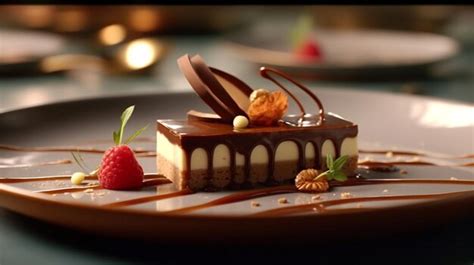
Plating is where your dish truly comes to life visually. Think of your plate as a canvas. Start with smaller portions than you might typically serve, leaving plenty of white space around your food to make it stand out. Focus on arranging components deliberately: create height, layer textures, and consider the color palette. A pop of contrasting color, like a sprinkle of fresh herbs on a creamy soup, can make an enormous difference. Aim for balance and intentionality; every element should have a purpose and a place.
Garnishes and Finishing Touches
Garnishes are not just for restaurants; they are crucial for adding that final polish. A sprig of fresh parsley, a few toasted sesame seeds, a drizzle of olive oil, a dusting of powdered sugar – these small additions can elevate a dish from homemade to gourmet. Consider texture (crispy fried onions, fresh herbs), color (paprika, chili flakes), and sheen (a brush of glaze, a pat of butter). These touches add depth, visual interest, and often, an extra layer of flavor.
Props and Backgrounds: Setting the Scene
While the focus is on the food, the surrounding elements play a crucial supporting role. Keep your background simple and uncluttered. A neutral tablecloth, a rustic wooden board, or a plain kitchen counter can provide an elegant backdrop without distracting from your dish. Thoughtfully chosen props, like a simple fork, a linen napkin, or a small bowl of complementary ingredients, can add context and tell a story. Just remember: less is often more when it comes to props.
Practice, Experiment, and Learn
Like any skill, food styling and photography improve with practice. Don’t be afraid to experiment. Try different plating arrangements, vary your lighting, and play with camera angles. Take multiple photos from various perspectives. Over time, you’ll develop an eye for what looks good and what doesn’t. Look at professional food blogs and cookbooks for inspiration, but remember that even small improvements can make a big impact on your results.

Transforming your recipe results to look exactly like stunning photos isn’t about expensive equipment or professional training; it’s about paying attention to detail and applying a few fundamental principles of aesthetics. With fresh ingredients, good lighting, thoughtful plating, and a touch of garnish, your homemade dishes will not only taste incredible but also look every bit as good as they taste.