




Best plating techniques to make homemade dishes look restaurant-worthy?

Ever wondered how professional chefs make even the simplest dishes look like works of art? The secret often lies not just in the cooking, but in the art of plating. With a few thoughtful techniques, you can elevate your homemade meals from delicious to dazzling, impressing family and guests alike. Let’s explore the best ways to make your culinary creations shine.
The Importance of a Clean Canvas
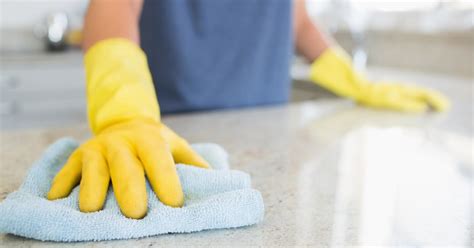
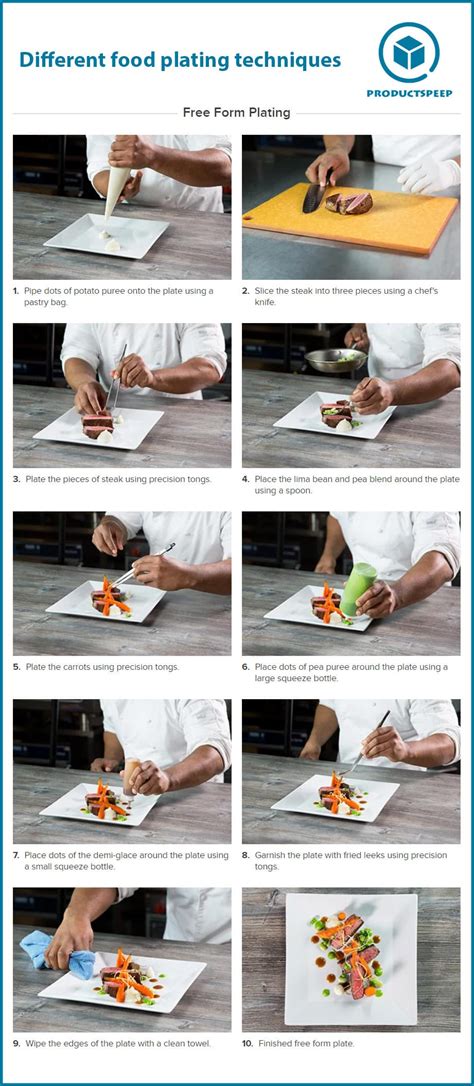
Before you even think about arranging food, ensure your plate is spotlessly clean. Any smudges, drips, or fingerprints can detract from even the most perfectly plated dish. A quick wipe with a clean, damp cloth before serving can make a world of difference. Choose plates that complement your food – often, simple white plates provide the best contrast and allow the food’s colors to pop.
Focus on Color and Contrast
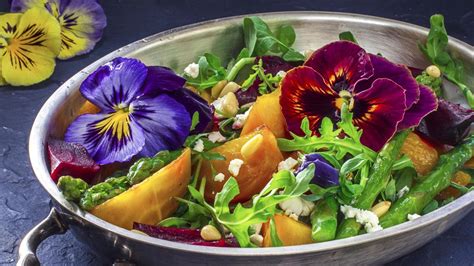
Think about the colors on your plate. A visually appealing dish usually has a variety of colors that complement each other. If your main ingredient is monochromatic, add pops of color through garnishes like fresh herbs, brightly colored vegetables, or a vibrant sauce. Contrast isn’t just about color; consider texture too. A mix of crunchy, creamy, soft, and crisp elements adds interest and depth.
Achieving Height and Dimension
Flat food can look unappetizing. Professional plating often involves building up a dish to create height and dimension. You can achieve this by stacking components (like a tower of grains, protein, and vegetables), leaning ingredients against each other, or placing a central element on a bed of something else. This adds a sculptural quality that is inherently appealing.
Strategic Placement and Negative Space
Don’t overcrowd the plate. Think about the rule of thirds, similar to photography, or simply aim for a focal point. Place your main protein slightly off-center, then arrange accompanying elements around it. Leaving some negative space (empty plate) around your food is crucial; it allows the eye to rest and highlights the dish itself, giving it an elegant, unhurried feel.
Mastering Sauces and Garnishes
Sauce Application
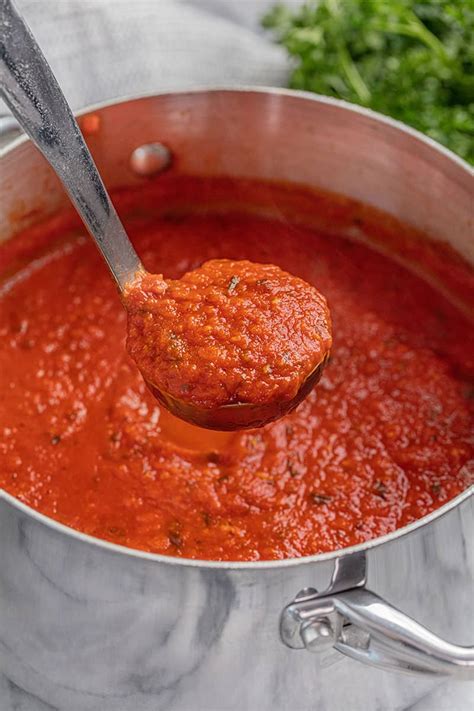
Sauces are not just for flavor; they’re excellent tools for plating. Instead of pouring sauce all over, try drizzling it artfully. You can use a squeeze bottle, a spoon, or even a pastry brush. Create streaks, dots, or swirls on the plate before adding the main components, or apply it carefully around the finished dish. A little goes a long way in adding visual flair.
The Power of Garnishes
Garnishes should always be edible and enhance the dish’s flavor and aroma, not just its looks. Fresh herbs, citrus zest, toasted nuts, microgreens, or even a sprinkle of spice can provide that final professional touch. Place garnishes thoughtfully, ensuring they don’t overwhelm the main components but rather accent them.
Tools of the Trade (Optional but Helpful)
While you don’t need fancy equipment, a few items can make plating easier:
- Squeeze Bottles: For precise sauce application.
- Tongs: For delicate placement of ingredients.
- Offset Spatula: Great for spreading purees or lifting delicate items.
- Chef’s Ring/Mold: Helps create perfectly formed stacks or bases.
Remember, practice makes perfect. The more you experiment with these techniques, the more natural and intuitive plating will become. Start small, focus on one or two elements at a time, and soon you’ll be serving dishes that not only taste incredible but look absolutely divine, turning every meal into a restaurant-worthy experience right in your own home.