



Visual tips for real foodies to reduce food waste & maximize fresh produce?

As true foodies, we revel in the vibrant colors, enticing aromas, and exquisite flavors that fresh produce brings to our tables. Yet, the sad reality is that a significant portion of what we buy often goes to waste. But what if we could turn reducing food waste into an art form, a visual game that enhances our culinary journey? It’s time to leverage our visual instincts to make every stalk, leaf, and fruit count.
Shop Smart, See Smart: Your Pre-Kitchen Strategy
Before you even step foot in the grocery store, open your fridge and pantry. What’s already there? A visual inventory is key. Snap a quick photo with your phone or scribble a list. This helps you visualize meals around existing ingredients and prevents duplicate purchases.
Next, plan your meals for the week. Envision dishes that share ingredients, ensuring nothing gets left behind. Consider a “use-it-up” meal day, specifically designed to empty those lingering bits and bobs.

Mastering the Art of Storage: Out of Sight, Not Out of Mind
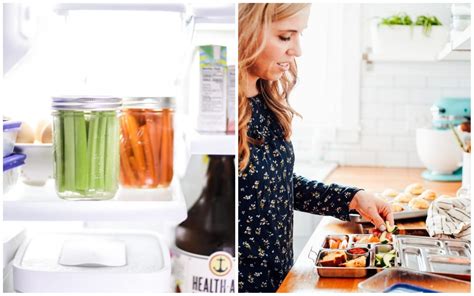
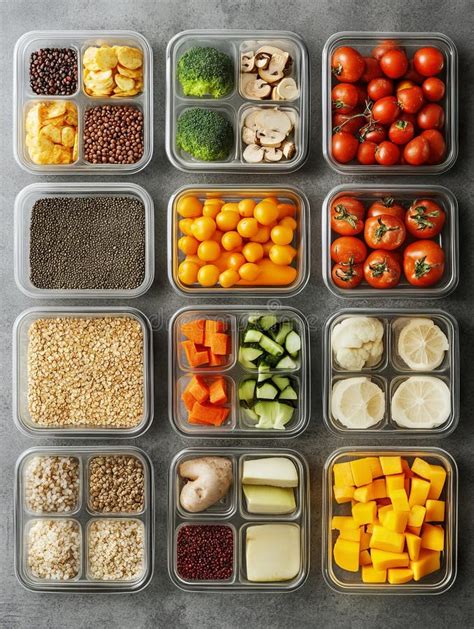
Proper storage is perhaps the most critical visual tip. If you can see it, you’re more likely to use it. Invest in clear, airtight containers. Group similar items together and place those with a shorter shelf life front and center. Herbs often last longer when treated like a bouquet in a glass of water on the counter or in the fridge.
- Root Vegetables: Store in a cool, dark place, away from onions and fruits that emit ethylene gas.
- Leafy Greens: Wash, dry thoroughly, and store in a container lined with a paper towel.
- Berries: Wash right before eating, and store loosely in their original container or a breathable one.
Root-to-Stem & Nose-to-Tail: Maximizing Every Bit
A true foodie appreciates every part of an ingredient. Carrot tops can become pesto, broccoli stalks can be shaved into salads, and citrus peels can be candied or zested. Challenge yourself to think creatively about the “scraps.” Keep a freezer bag for vegetable trimmings, which can later be turned into a flavorful stock.
Visually inspect your produce. Is that slightly wilted lettuce still good for a stir-fry? Can overripe tomatoes be roasted for sauce? Don’t let minor imperfections dictate their fate.
The Leftover Makeover: A Culinary Canvas
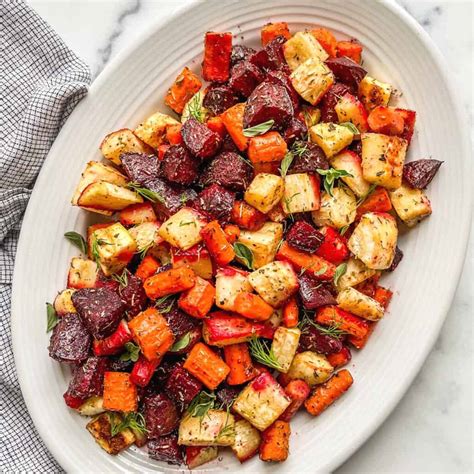
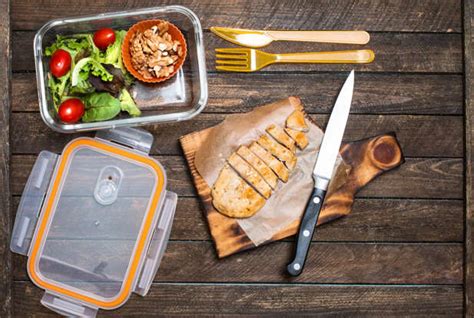
Leftovers aren’t failures; they’re opportunities! Store them in clear containers, again, prominently displayed in your fridge. Date them if you need a reminder. Think beyond reheating. Can yesterday’s roasted vegetables become today’s frittata filling? Can that extra grain become a base for a vibrant salad?
Transforming leftovers visually makes them more appealing. Add fresh herbs, a squeeze of lemon, or a sprinkle of cheese to give them a new lease on life.
Embrace Imperfection and Grow a Little
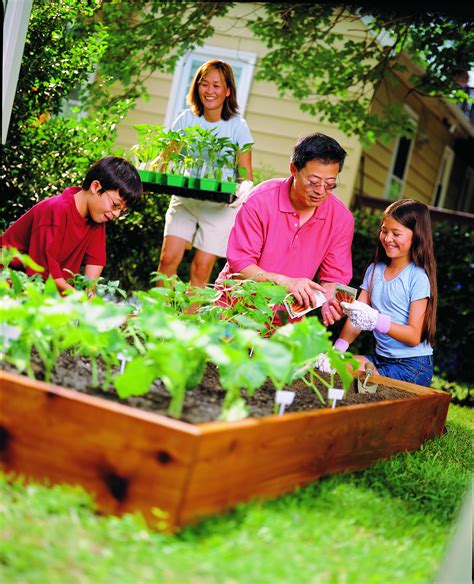
Finally, remember that perfection isn’t the goal. Embracing slightly imperfect produce from farmers’ markets or “ugly” fruit initiatives is another fantastic visual way to reduce waste. For the truly ambitious, regrowing scraps like lettuce hearts or green onions on your windowsill is a rewarding visual experience that provides fresh ingredients and reduces waste simultaneously.
By incorporating these visual strategies, you’re not just reducing food waste; you’re enhancing your connection to food, becoming a more mindful cook, and ultimately, a more sustainable foodie. Enjoy the delicious journey!