




How do real foodies store fresh herbs to last longer & look vibrant for visual feeds?

Unlock the Secrets to Ever-Fresh Herbs
For any true foodie, fresh herbs are non-negotiable. They elevate a dish from good to extraordinary, infusing vibrant flavors and appealing aromas. But the joy of a newly purchased bunch can quickly turn to dismay as delicate leaves wilt and turn brown within days. Beyond taste, in an age of visual feeds, vibrant, perky herbs are also crucial for that perfect Instagram-worthy plate. So, how do culinary enthusiasts keep their herbs looking just-picked and lasting longer?
Understanding Herb Types and Their Needs
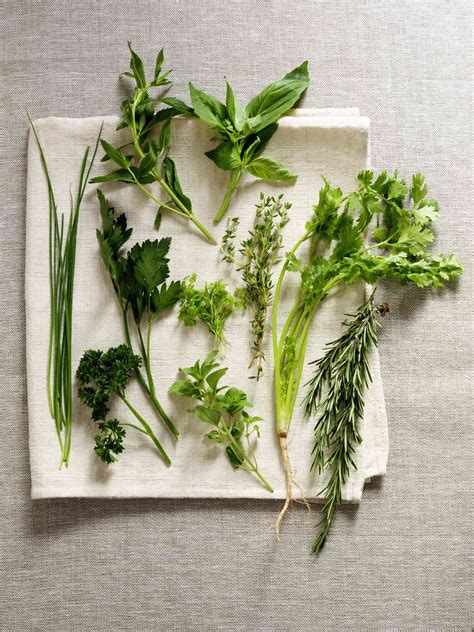
The first step to effective herb storage is understanding that not all herbs are created equal. They generally fall into two categories: tender and sturdy. Tender herbs (like parsley, cilantro, basil, mint, dill) have softer stems and leaves. Sturdier herbs (such as rosemary, thyme, oregano, sage, chives) have tougher, often woody stems and more robust leaves. Each type demands a slightly different approach.
Method 1: The ‘Flower Bouquet’ Technique for Tender Herbs
This method is ideal for most tender, leafy herbs, excluding basil. Treat them like a bouquet of flowers:
- Trim Stems: Upon bringing them home, trim about half an inch off the bottom of the stems.
- Water Bath: Place the herbs, stem-down, into a glass jar with about an inch of water, ensuring only the stems are submerged.
- Cover & Refrigerate: Loosely cover the entire setup (herbs and jar) with a plastic bag. This creates a mini-greenhouse effect, retaining moisture.
- Change Water: Change the water every 1-2 days to keep it fresh.
Stored this way in the refrigerator, herbs like parsley, cilantro, and dill can last for up to two weeks, remaining beautifully green and crisp.

Method 2: The Damp Paper Towel Roll-Up for Sturdy Herbs
Sturdier herbs thrive in a slightly different environment, preferring controlled moisture without direct submersion:
- Rinse & Dry (Optional, but thorough): If you must rinse them before storage, ensure they are absolutely dry using a salad spinner or paper towels. Excessive moisture encourages mold.
- Damp Towel Wrap: Lay the herbs out on a lightly damp (not wet) paper towel.
- Roll & Bag: Gently roll the herbs within the paper towel and place the bundle into a resealable plastic bag or an airtight container.
- Refrigerate: Store in the crisper drawer of your refrigerator.
Rosemary, thyme, sage, and oregano can easily last 2-3 weeks with this method, maintaining their robust structure and potent aroma.
Method 3: The Basil Exception – Room Temperature Love
Basil is the prima donna of herbs and notoriously dislikes the cold. Refrigeration can cause its delicate leaves to blacken and wilt rapidly. The best way to store basil is surprisingly simple:
- Trim & Water: Trim the stems and place the basil in a glass of water, just like Method 1.
- Room Temp Storage: Keep it on your kitchen counter, away from direct sunlight or drafts.
- Cover (Optional): You can loosely cover it with a plastic bag if your home is very dry, but often it’s not necessary.
Basil stored this way can last a week or more, keeping its vibrant green hue and pungent fragrance. It also makes for a lovely, fragrant kitchen decoration!

Method 4: Freezing for Long-Term Flavor (Less Visual)
While not ideal for visual presentation, freezing is an excellent option for preserving flavor for cooking, especially when you have an abundance of herbs:
- Chop: Finely chop your desired herbs.
- Ice Cube Trays: Place the chopped herbs into ice cube trays.
- Add Liquid: Fill the trays with olive oil, melted butter, or even water. The fat helps carry the flavor.
- Freeze: Freeze until solid, then transfer the herb cubes to a freezer-safe bag for long-term storage (up to 6 months).
These frozen herb cubes are perfect for tossing directly into soups, stews, sauces, or roasts, delivering a burst of fresh flavor even out of season.

Tips for Maintaining Visual Vibrancy for Feeds
Beyond longevity, ensuring your herbs look picture-perfect for visual feeds involves a few extra considerations:
- Choose Wisely: Start with the freshest, most vibrant herbs possible from the store or garden. Look for perky, unblemished leaves.
- Handle Gently: Bruised herbs brown quickly. Handle them with care from purchase to prep.
- Wash Just Before Use: If possible, wash herbs right before you’re about to use them, rather than before storage. This prevents excess moisture from accelerating spoilage and dulling their look.
- Blot Dry Thoroughly: When you do wash them for immediate use, a salad spinner followed by a gentle pat-down with paper towels is crucial to remove all surface water for the best presentation.
- Presentation Matters: When plating, choose the freshest, most attractive sprigs or leaves. A quick spritz of water can sometimes revive tired-looking garnishes for a photo, but sustained vibrant herbs come from proper storage.
Conclusion
Mastering the art of herb storage is a game-changer for any home cook, especially those who appreciate both culinary excellence and aesthetic appeal. By applying these foodie-approved techniques, you can significantly extend the life and beauty of your fresh herbs, ensuring every dish benefits from their peak flavor and every visual feed shines with their vibrant green goodness.