



What visual bite photography hacks increase foodie shares?

Capturing Culinary Masterpieces: Boosting Foodie Shares
In the vibrant world of social media, a stunning food photograph is more than just an image; it’s an invitation, a conversation starter, and often, a viral sensation. For food bloggers, home cooks, or even casual diners, mastering the art of visual bites can significantly increase shares, engagement, and reach within the foodie community. It’s not about expensive gear; it’s about smart hacks that make your food look utterly delicious.
Transforming your culinary creations into share-worthy visual content requires a keen eye and a few strategic tricks. Let’s dive into the photography hacks that will make your followers hit that share button faster than you can say ‘bon appétit!’
The Golden Rule: Embrace Natural Light
Forget harsh overhead lights or the yellow glow of your kitchen bulbs. The single most impactful hack for food photography is natural light. Position your dish near a window, allowing soft, diffused light to illuminate it. Avoid direct sunlight, which can create harsh shadows and blow out details. Side lighting or backlighting (with a reflector to bounce light back into the shadows) are often your best friends, highlighting textures and making food glow.
Natural light enhances the food’s true colors, making it appear fresh, appetizing, and inviting. It creates a soft, gentle mood that artificial light often struggles to replicate, leading to more professional-looking shots that beg to be shared.

Mastering Composition and Angles
Composition is how you arrange elements within your frame. The ‘rule of thirds’ is a classic for a reason: imagine your frame divided into a 3×3 grid and place your main subject along the lines or at their intersections. This creates a more dynamic and engaging shot than simply centering everything.
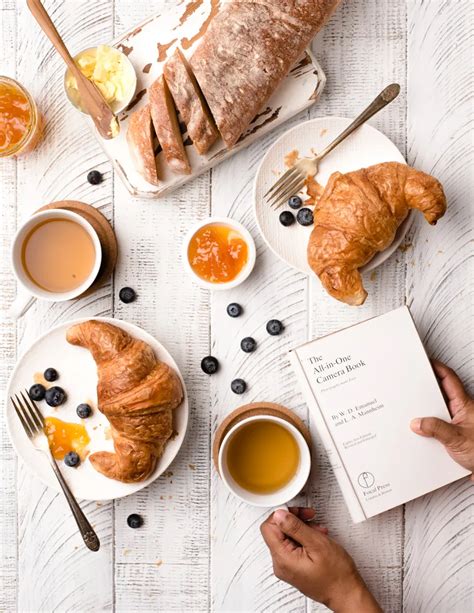
Experiment with angles. An overhead ‘flat lay’ shot works wonders for dishes with beautiful toppings or multiple components (like a charcuterie board or a colorful salad). A 45-degree angle mimics how we typically view our food at the table, offering a familiar perspective. Close-ups can highlight texture, steam, or a decadent drizzle, evoking a sensory experience. Choose the angle that best tells the story of your dish.
Strategic Styling: Props and Backgrounds
The right props and background can elevate your food photos from good to great. Keep backgrounds simple and uncluttered, allowing your food to be the star. Neutral colors, wooden tables, slate, or even a simple linen napkin can serve as excellent backdrops. Avoid busy patterns that distract from the food.
Props should be subtle and complementary. Think about what enhances the story: a scattering of fresh herbs, a rustic piece of cutlery, a small bowl of a key ingredient, or a gently folded napkin. Don’t overcrowd the frame; less is often more. The goal is to create an atmosphere that enhances the food’s appeal without competing with it.
The Art of Post-Processing (But Don’t Overdo It!)
Even the best raw photos can benefit from a little polish. Mobile editing apps offer powerful tools to enhance your shots. Focus on subtle adjustments: increase brightness to make colors pop, tweak contrast for added depth, and adjust saturation slightly to make your food look vibrant. Correcting white balance can ensure your food’s colors are true to life, not tinged yellow or blue.
The key is enhancement, not transformation. Avoid heavy filters that make your food look artificial. Your goal is to make the dish look even more delicious than it already is, not to create an entirely new reality. A consistent editing style can also help establish your unique visual brand on social media.
![[100+] Food 4k Wallpapers | Wallpapers.com](/images/aHR0cHM6Ly90czEubW0uYmluZy5uZXQvdGg/aWQ9T0lQLk1NdE9GOXdXSmhvd0djVXdiOHI1WWdIYUVLJnBpZD0xNS4x.webp)
Telling a Story Through Your Lens
The most shareable food photos often tell a story or evoke a feeling. Is your dish comforting? Vibrant? Decadent? Try to capture that essence. Show the steam rising from a hot dish, the glistening glaze on a dessert, or the process of a drizzle. These dynamic elements add life and movement to your static image.
Consider the ‘before and after’ or the ‘process’ shots if applicable. A hand reaching for a piece of bread, a sprinkle of parmesan, or a fork about to dig in can create an immersive experience for your viewer, making them almost taste the food through the screen. Emotion and anticipation are powerful drivers for social shares.
Conclusion: Practice Makes Perfect (and Shareable!)
While these hacks provide a strong foundation, the true secret to increasing foodie shares lies in practice and experimentation. Pay attention to what kinds of food photos resonate most with your audience. Don’t be afraid to try new angles, lighting setups, or styling techniques. With a little effort and these clever photography hacks, your culinary creations will not only look incredible but will also ignite conversations and cravings across the digital world, turning every dish into a shareable visual bite.