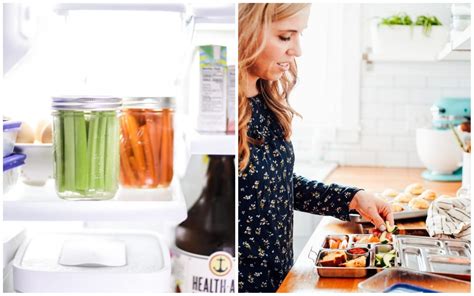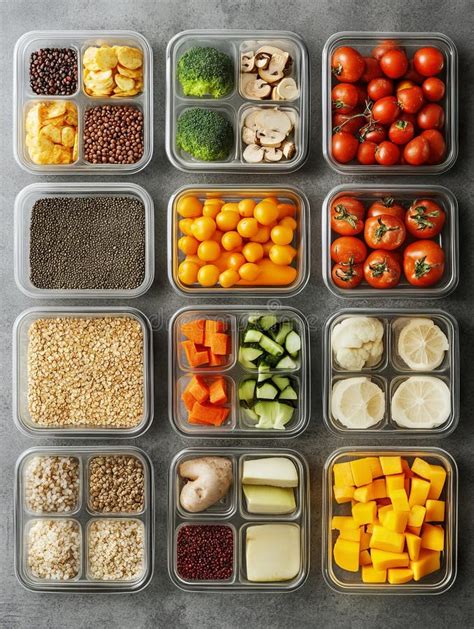





What are your go-to tips for beautiful, waste-free real food pantry organization?

Cultivating a Beautiful, Waste-Free Real Food Pantry
Transforming your pantry into an organized, waste-free haven for real food isn’t just about aesthetics; it’s about efficiency, sustainability, and mindful living. A well-structured pantry reduces food waste, saves money, and makes healthy cooking a joy. Here are our go-to tips for achieving a pantry that’s both functional and beautiful.
1. Start with a Clean Slate: Declutter and Inventory
Before you can organize, you must declutter. Pull everything out of your pantry. Check expiration dates, discard anything spoiled, and set aside items you no longer need but are still good for donation. Take a full inventory of what you have. This step is crucial for understanding your current stock and preventing future overbuying.
2. Invest in Smart, Sustainable Storage Solutions
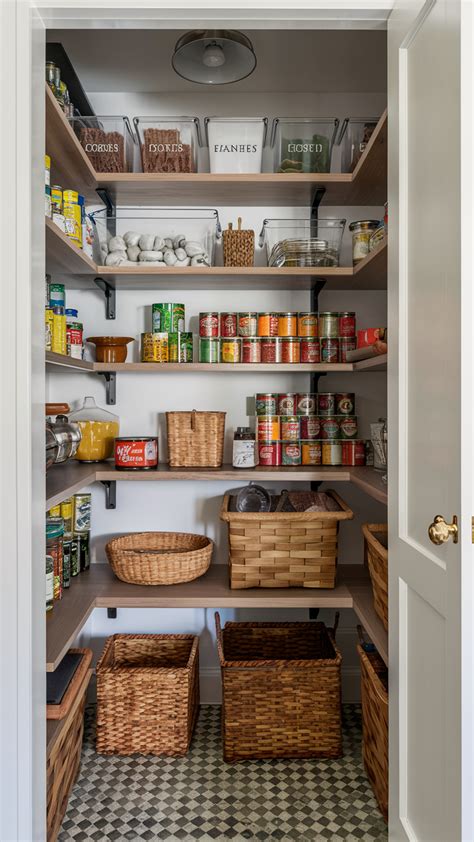
Once decluttered, it’s time to choose your storage. Opt for uniform, airtight containers, preferably made of glass or stainless steel for dry goods like grains, pasta, nuts, and flours. These not only look cohesive but also protect food from pests and moisture, extending shelf life. For produce that doesn’t require refrigeration, consider breathable baskets or cloth bags.
3. Label, Label, Label!
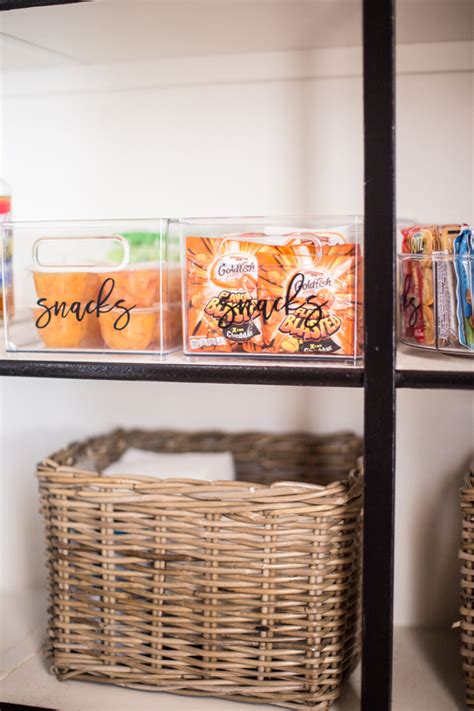
Clear labeling is key to maintaining an organized pantry. Label every container with its contents and the date it was decanted or purchased. This prevents confusion, ensures you use older items first, and makes grocery list creation much easier. Chalkboard labels, printable stickers, or even a permanent marker on masking tape all work wonderfully.
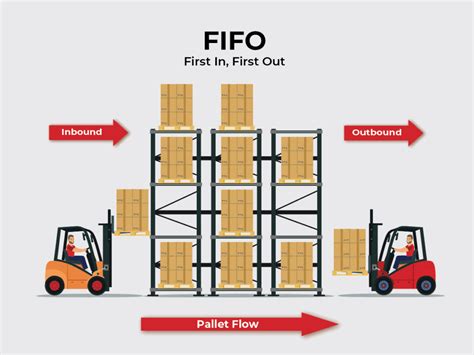
4. Embrace the “First-In, First-Out” (FIFO) System
To minimize waste, organize your pantry so that older items are always at the front and new items are placed behind them. This “first-in, first-out” method ensures that food is consumed before it expires. Apply this to all categories: canned goods, dry goods, and even spices.
5. Create Designated Zones for Everything
Assign specific zones for different categories of food. For example, have a baking zone, a grains and pasta zone, a snack zone, and a canned goods zone. This makes it easy to find what you need and, more importantly, to know where to put things back. Keeping like items together significantly improves efficiency.
6. Shop Mindfully and Buy in Bulk Responsibly
A waste-free pantry starts with your shopping habits. Plan your meals, make a precise grocery list, and stick to it. When buying in bulk, ensure you have adequate storage for the quantities you purchase and that you will genuinely use them before they spoil. Bring your own reusable bags and containers to the store to further reduce packaging waste.
7. Regular Maintenance is Key
A beautiful, waste-free pantry isn’t a one-time project; it’s an ongoing practice. Dedicate a few minutes each week to a quick tidy-up, checking for items that are running low, wiping down shelves, and ensuring everything is in its designated place. This prevents clutter from accumulating and keeps your pantry working for you.

Enjoy the Benefits of an Organized, Waste-Free Kitchen
By implementing these tips, you’ll not only create a stunningly organized pantry but also cultivate a more sustainable and efficient kitchen. You’ll reduce food waste, save money, and have quick access to the healthy, real food ingredients that nourish you and your family every day.