



What quick plating tips instantly elevate home-cooked meals for stunning photos?

Transforming a delicious home-cooked meal into a visually stunning masterpiece for your camera doesn’t require culinary school training. With a few quick and clever plating techniques, you can elevate your dishes from everyday fare to gallery-worthy creations, perfect for sharing on social media or simply enjoying with your eyes before your first bite. Let’s dive into some easy hacks to make your food photo-ready in minutes.
Choose Your Canvas Wisely: The Plate
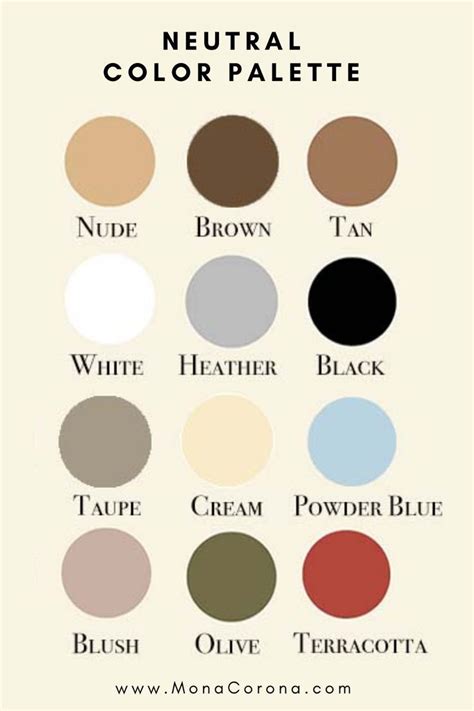
The foundation of any great plating job is the plate itself. Opt for neutral-colored plates—whites, creams, grays, or even matte black—as they allow your food’s colors to truly pop without competing. Avoid overly patterned plates, which can distract from your culinary art. Size matters too; don’t overcrowd a small plate, but also avoid making a single portion look lost on a massive platter. A clean plate is paramount, so always wipe away any drips or smudges from the rim before serving.
Mastering Arrangement: Build Up, Not Out
Think three-dimensionally when plating. Instead of spreading ingredients flat across the plate, aim to build height. This could mean stacking components (like a bed of rice topped with protein and then vegetables), leaning items against each other, or creating small mounds. A classic trick is the “rule of odds”—arrange items in odd numbers (e.g., three asparagus spears instead of two) as it’s often more visually appealing and dynamic than even groupings. Place your main protein or focal point slightly off-center for a more artistic composition.
The Power of Color and Texture Contrast
One of the easiest ways to make a dish visually exciting is to ensure a good contrast in colors and textures. If your main dish is monochromatic, introduce a vibrant element. A sprinkle of fresh, finely chopped herbs (parsley, cilantro, chives) can add a bright green pop and a lovely texture. A dash of paprika, a swirl of brightly colored sauce, or some toasted nuts can also provide that much-needed visual and textural diversity. Think about how crunchy elements can contrast with soft ones, or vibrant hues against earthy tones.

Strategic Saucing and Garnishing
Sauce application can make or break a plate’s aesthetic. Instead of pouring sauce all over your dish, consider drizzling it strategically. Use a spoon to create an elegant swirl under or alongside your main components, or draw thin lines across the plate. For a minimalist look, a small dollop of a contrasting sauce can be very effective. Garnishes are your final flourish. Think microgreens, edible flowers, a wedge of citrus, a sprinkle of fresh cracked pepper, or even just a beautifully placed sprig of rosemary. These small additions provide a professional touch and an appealing finish.

Consider Your Background and Lighting
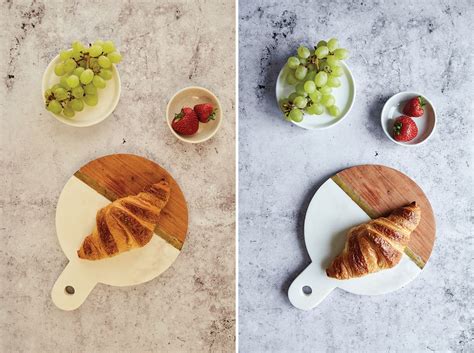
While not strictly plating, the immediate environment significantly impacts how your plated dish looks in a photo. Natural, diffused light is your best friend; avoid harsh overhead lights. Position your plate near a window. For backgrounds, keep it simple and uncluttered. A plain table, a wooden board, or a simple tablecloth works wonders. Avoid busy patterns or reflections. Sometimes, a strategically placed napkin or a few scattered crumbs can add a touch of “artful mess” and character, but always ensure the focus remains on the food.
The Finishing Touches: Cleanliness and Confidence
Before you even think about snapping that picture, do a final sweep. Are there any smudges on the plate rim? Is anything out of place? A clean plating area around your food makes a huge difference. Finally, don’t be afraid to experiment! Plating is an art, and practice makes perfect. The more you play with different arrangements, colors, and garnishes, the more instinctively you’ll learn what makes your home-cooked meals truly shine in front of the lens.