



How to achieve perfect sauce texture for photogenic dishes?
In the world of food photography, a dish isn’t just about taste; it’s about visual appeal. While vibrant colors and artful plating capture attention, the unsung hero often overlooked is the sauce’s texture. A perfectly textured sauce can make a dish look luscious, professional, and utterly irresistible, turning a simple meal into a culinary masterpiece ready for its close-up.
The Fundamentals of Perfect Sauce Texture
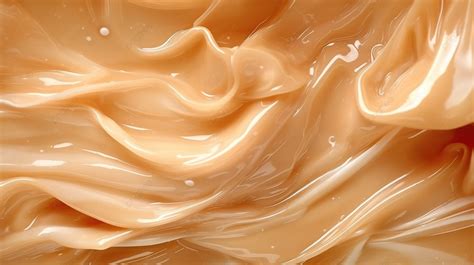
A photogenic sauce is characterized by its sheen, consistency, and ability to gracefully coat food without being too thick or too thin. It should appear velvety, smooth, and vibrant, clinging delicately to ingredients rather than pooling unattractively. Understanding these fundamentals is the first step towards culinary photo perfection.
Mastering Thickening Agents
The secret to ideal sauce texture often lies in the intelligent use of thickening agents. Each has its unique properties and applications:
- Roux (Flour and Fat): A classic thickener made by cooking flour in fat (butter, oil) until a paste forms. The longer it cooks, the darker it gets and the less thickening power it has, but it adds depth of flavor. Ideal for gravies, béchamel, and many foundational sauces.
- Slurries (Cornstarch, Arrowroot, Tapioca Starch): These starches are mixed with a cold liquid before being whisked into a hot sauce. They provide a clear, glossy finish and thicken quickly without adding much flavor of their own. Cornstarch is common but can break down with prolonged boiling; arrowroot is more stable for acidic sauces.
- Reduction: One of the most flavorful ways to thicken a sauce. By simmering a liquid, water evaporates, concentrating flavors and naturally thickening the sauce. This method yields rich, intense results, often seen in pan sauces and demi-glace.
The Art of Emulsification
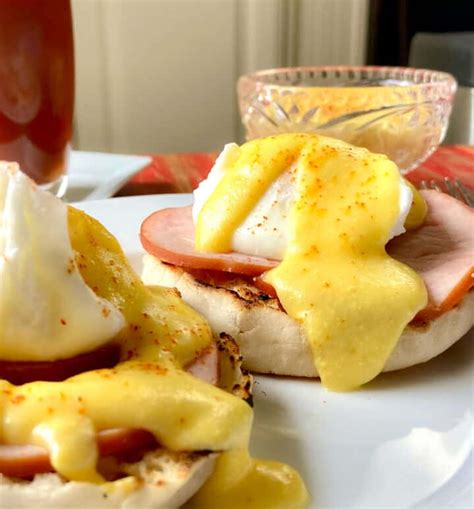
Emulsification is key for creating smooth, stable sauces like hollandaise, mayonnaise, or vinaigrettes. It’s the process of blending two immiscible liquids (like oil and vinegar or butter and egg yolks) to create a stable, creamy mixture. Slow, steady addition of one liquid to another while whisking vigorously is crucial to prevent the emulsion from breaking, ensuring a beautiful, glossy texture.
Achieving that Irresistible Sheen
Beyond consistency, sheen is what truly makes a sauce pop in photos. Fats are your best friend here. Finishing a sauce with a swirl of cold butter (known as “monter au beurre”) or a drizzle of high-quality olive oil just before serving adds a luxurious gloss that catches the light beautifully. Be careful not to boil after adding butter, as this can cause the emulsion to break.
Tips for Flawless Sauce Execution
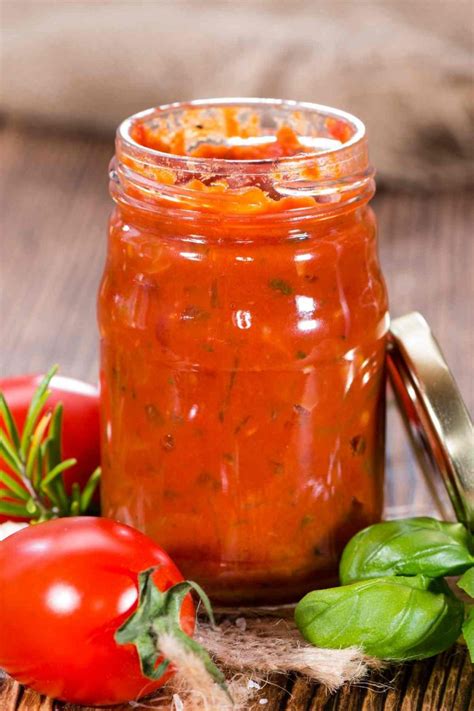
- Strain for Smoothness: If lumps are a concern, pass your sauce through a fine-mesh sieve or chinois before serving. This ensures a silky, professional finish.
- Whisk Vigorously: Especially when adding thickeners, constant whisking prevents lumps and ensures even distribution and thickening.
- Temperature Control: Overcooking can thin out starch-thickened sauces or cause emulsions to break. Keep an eye on the heat.
- Taste and Adjust: Always taste your sauce. Flavor balance is just as important as texture. Adjust seasonings as needed.
Conclusion
Crafting a sauce with perfect texture is a blend of science and art. By understanding the properties of different thickening agents, mastering techniques like reduction and emulsification, and paying attention to finishing touches, you can transform your dishes into photogenic masterpieces that are as delightful to behold as they are to taste. So next time you’re in the kitchen, remember that the sauce isn’t just an accompaniment; it’s a star in its own right.