



What ingredients add natural vibrant color to make recipes pop visually?
In the culinary world, we often eat first with our eyes. The visual appeal of a dish can elevate the dining experience, making it more exciting and appetizing. While artificial food colorings are an option, an array of natural ingredients can provide stunning, vibrant colors, often adding nutritional benefits and subtle flavors. Embracing these gifts from nature allows you to create dazzling dishes that are both beautiful and wholesome.
The Power of Natural Pigments
Natural colorants come from fruits, vegetables, spices, and flowers, each containing unique pigments that react differently to heat, acidity, and alkalinity. Understanding these characteristics can help you achieve the desired shade and maintain the vibrancy throughout your cooking process. From deep reds to brilliant blues, the natural world offers an unparalleled palette for the adventurous cook.
Red & Pink Hues: From Earth to Plate
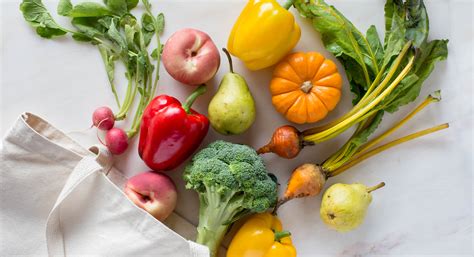
To infuse your dishes with passionate reds and charming pinks, look no further than these garden treasures. Beetroot is a true powerhouse, offering shades from deep fuchsia to bright pink. It can be used as a juice, puree, or powdered form in batters, frostings, and sauces. Berries like raspberries, strawberries, and cranberries provide delightful pinks and reds, especially when pureed or reduced into a coulis. Cherries and pomegranates also lend their rich, ruby tones.

Sunshine Yellows & Oranges: Brightening Every Dish
For a burst of sunny yellows and warm oranges, several ingredients stand out. Turmeric, a potent spice, delivers a brilliant golden-yellow hue that’s perfect for curries, rice dishes, and even lattes. Saffron, though more expensive, provides an exquisite deep yellow-orange color and a unique aroma, ideal for paella or elegant desserts. Carrots and sweet potatoes, when pureed, offer natural orange shades, while pumpkin adds a softer, creamy orange. Annatto seeds can be infused into oil to impart a rich, earthy orange to savory dishes.
Garden Greens: Freshness Unleashed
Achieving vibrant green colors naturally is easier than you might think. Spinach and kale are excellent choices; simply blanch and puree them to create a potent green paste or juice that can be incorporated into pastas, smoothies, and baked goods. Matcha green tea powder provides a distinctive, slightly earthy green, perfect for desserts, lattes, and icings. Fresh herbs like parsley, cilantro, and mint, when finely chopped or blended, can also add beautiful flecks of green and unparalleled freshness.
Royal Purples & Blues: Deep and Dramatic
These colors can be particularly striking. Red cabbage is a fascinating ingredient, as its juice can create a range of purples and blues depending on the pH level. In acidic environments, it tends towards pink/red, while alkaline conditions yield stunning blues. Blueberries and blackberries, when pureed, offer rich purple tones, fantastic for jams, sauces, and smoothies. For a true blue, the butterfly pea flower, available as dried flowers or powder, creates a captivating sapphire blue that can change to purple or pink with the addition of citrus.

Beyond Color: Taste and Nutrition Benefits
The beauty of using natural ingredients for color isn’t just aesthetic; it’s also about enhancing the nutritional profile and flavor complexity of your meals. Beetroot adds earthy sweetness, berries provide antioxidants and tartness, and turmeric offers anti-inflammatory properties and a warm, peppery note. Each ingredient brings its unique contribution, making your dishes not just visually appealing but also more wholesome and delicious.
Tips for Maximizing Natural Color
- Concentration is Key: For intense colors, use concentrated forms like powders, reduced juices, or thick purees.
- Mind the Heat: Excessive or prolonged heat can degrade some natural pigments, especially greens and blues. Add them towards the end of cooking where possible.
- pH Matters: Experiment with acidic ingredients (lemon juice, vinegar) or alkaline ones (baking soda, though use sparingly) to manipulate the colors of pH-sensitive ingredients like red cabbage or butterfly pea flower.
- Blanching Greens: Briefly blanching green vegetables before pureeing helps set their vibrant color.

Incorporating natural vibrant colors into your recipes is a creative and rewarding journey. It allows you to transform everyday meals into culinary works of art, delighting the senses and nourishing the body. So, open your pantry and garden to a world of natural hues, and let your imagination paint your plate with delicious, wholesome vibrancy.