




How to achieve that perfect golden-brown crust visually described in recipes?
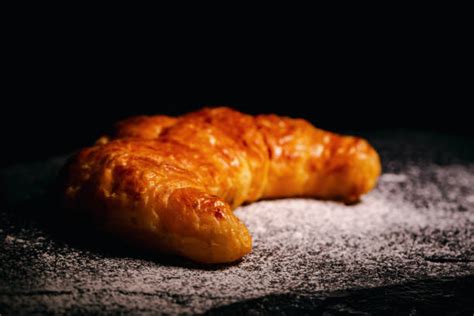
There’s something inherently satisfying about pulling a dish from the oven that boasts a perfectly uniform, rich golden-brown crust. It’s not just about aesthetics; that beautiful color often signifies deep flavor development, crispy textures, and a successful cook. Many recipes call for this ideal finish, yet achieving it consistently can feel like a culinary mystery. Fear not, for the secret lies in understanding a few fundamental scientific principles and mastering some straightforward techniques.
The Science of Browning: Maillard Reaction & Caramelization
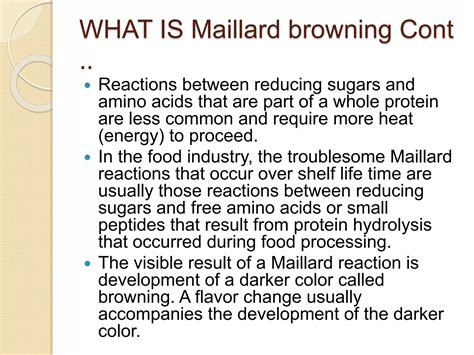
The sought-after golden-brown hue in most savory dishes and some baked goods is primarily the result of the Maillard Reaction. This complex chemical reaction occurs when amino acids (from proteins) and reducing sugars are exposed to heat, creating hundreds of new flavor compounds and the characteristic brown color. It typically kicks in above 285°F (140°C) and requires a relatively dry surface.
For dishes rich in sugar, such as many desserts, Caramelization also plays a significant role. This process involves the thermal decomposition of sugars alone, without the involvement of proteins. It begins at higher temperatures, around 320°F (160°C), and produces a distinct set of nutty, buttery, and slightly bitter flavors along with the deep brown color. Understanding which reaction is dominant helps you manipulate the conditions to your advantage.
Essential Factors for Achieving the Perfect Crust
1. Temperature Control is Key
Both Maillard and caramelization reactions need sufficient heat. An oven that’s too cool will result in pale, under-developed crusts. Ensure your oven is accurately preheated to the specified temperature – an oven thermometer can be a valuable tool. Starting at a higher temperature for a short period (especially for breads and roasts) can help kickstart browning before reducing the heat to cook through.
2. Manage Moisture Levels
The Maillard reaction, in particular, thrives in a dry environment. Excess surface moisture will inhibit browning, as the energy will be used to evaporate water rather than trigger the browning reactions. Techniques like patting meats dry, allowing doughs to air-dry slightly before baking, or creating steam at the beginning of baking (for bread, to keep the crust soft while the interior expands) before transitioning to dry heat are crucial.
3. Leverage Fats and Sugars
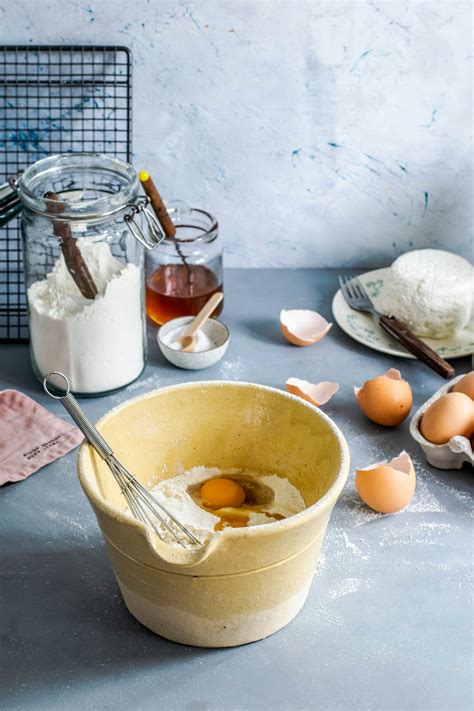
- Fats: Brushing with butter, oil, or schmaltz not only adds flavor but also helps conduct heat to the surface, promoting even browning and crispiness.
- Sugars: Adding a touch of sugar to a marinade or rub, or using sugar-rich ingredients like honey or molasses, can accelerate caramelization and Maillard browning.
- Egg Washes: For pastries and breads, an egg wash (egg yolk + water/milk) provides proteins and sugars that brown beautifully, creating a glossy, golden finish.
4. Even Heat Distribution and Rotation
Hot spots in ovens are common. To ensure uniform browning, rotate your baking sheets or roasting pans halfway through the cooking process. Using light-colored baking sheets can help prevent the bottom from browning too quickly compared to the top.
Techniques for Different Culinary Applications
- Breads: Often benefit from initial steam in the oven to achieve a thin, crisp crust, followed by dry heat for deep browning. An egg wash or milk wash can also enhance color.
- Roasted Meats & Vegetables: Patting them very dry, coating lightly in oil, and roasting at a relatively high temperature (e.g., 400-425°F / 200-220°C) encourages excellent browning. For meats, a final sear in a pan after roasting can intensify the crust.
- Pies & Pastries: An egg wash (sometimes with a pinch of sugar) is the gold standard for a glossy, golden crust. Brushing it on just before baking, and sometimes again halfway through, works wonders.

Troubleshooting Common Browning Issues
Too Pale: Increase oven temperature slightly, extend cooking time, or consider adding a sugary element or fat application. Ensure the surface is dry.
Too Dark/Burnt: Lower oven temperature, cover with foil partway through cooking, or reduce cooking time. Your dish might be too close to a heating element.
Uneven Browning: Rotate your dish more frequently. Check for oven hot spots with an oven thermometer and adjust placement. Avoid overcrowding the oven.
Conclusion
Achieving that perfect golden-brown crust is not magic; it’s a combination of understanding the science of heat and chemical reactions, along with applying practical cooking techniques. By controlling temperature, managing moisture, leveraging fats and sugars, and ensuring even heat, you can consistently transform your dishes from merely cooked to beautifully burnished and bursting with flavor. Experiment, observe, and enjoy the satisfaction of a perfectly golden result.