




Best way to sharpen chef’s knives for perfect veggie slices?

Achieving perfectly thin, uniform slices of vegetables is a hallmark of a skilled cook, and the secret lies not just in technique, but primarily in the sharpness of your chef’s knife. A dull knife crushes rather than cuts, leading to bruised produce, uneven pieces, and even increased risk of injury. Mastering the art of knife sharpening is an essential skill for any home cook aspiring to culinary precision.
Why a Razor-Sharp Edge Transforms Your Veggies
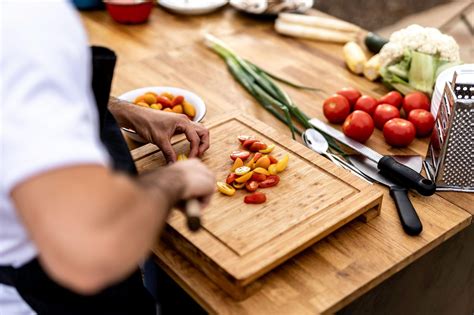
A truly sharp knife glides through vegetables with minimal effort, preserving their cellular structure. This results in cleaner cuts, better flavor retention, and a more appealing presentation. For delicate tasks like julienning carrots, thinly slicing tomatoes, or creating translucent cucumber rounds, a finely honed edge makes all the difference, preventing tearing and bruising.

Understanding Your Knife’s Edge and Sharpening Angles
Most Western-style chef’s knives have an edge angle between 17-20 degrees per side (34-40 degrees inclusive). Japanese knives often feature a steeper angle, sometimes as low as 10-15 degrees per side, making them exceptionally sharp but potentially more delicate. For general vegetable prep, a 15-20 degree angle per side offers a great balance of sharpness and durability.
The Gold Standard: Whetstones (Sharpening Stones)
Whetstones, or water stones, are widely considered the best method for achieving a professional-level edge. They allow for precise control over the sharpening angle and can restore even very dull blades. You’ll typically need a coarse grit stone (around 400-1000) to fix chips or reprofile an edge, a medium grit stone (2000-4000) for general sharpening, and a fine grit stone (6000-8000+) for polishing and refining the edge to a razor-sharp finish.
The process involves maintaining a consistent angle against the stone, moving the blade across its surface in a sweeping motion, and alternating sides. It takes practice, but the results are unparalleled.

Electric Knife Sharpeners: Speed and Convenience
Electric sharpeners offer a quick and convenient way to sharpen knives. They often have guides to help maintain the correct angle and multiple slots for different grit levels. While excellent for quick touch-ups and bringing a dull knife back to life, they can remove more metal than necessary and may not achieve the same ultra-fine edge as a skilled hand with a whetstone. Look for models with flexible abrasive belts or variable angle guides for better control.
Pull-Through Sharpeners: Simple and Accessible
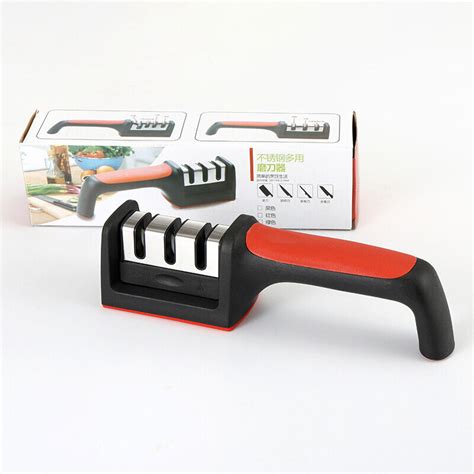
Manual pull-through sharpeners are inexpensive and easy to use. They usually feature ceramic or carbide rods set at a fixed angle. While they can quickly make a knife “sharp enough” for many tasks, they often create a coarser edge and can be aggressive on the blade, removing a lot of material. They are a good entry-level option but might not deliver the pristine edge ideal for delicate vegetable work.
The Honing Steel: Not a Sharpener, but Essential Maintenance
A honing steel doesn’t sharpen your knife by removing metal; rather, it realigns the microscopic burrs on the edge that get bent over with use. Regular honing (before or after each use) keeps your knife performing at its peak sharpness for longer, delaying the need for full sharpening. Ceramic or diamond-coated honing steels can be more abrasive and offer a slight sharpening effect, but their primary role is alignment.
Tips for Perfect Vegetable Slices
- Consistent Angle: Whether using a whetstone or an electric sharpener, consistency is key to a truly sharp edge.
- Progressive Grits: Always move from coarser to finer grits to refine the edge and remove any burrs.
- Test the Edge: A simple paper test (slicing through a piece of paper held upright) can indicate sharpness. For ultimate veggie slicing, it should cut through a ripe tomato skin with ease, without pushing or tearing.
- Clean and Dry: Always clean and thoroughly dry your knives immediately after use and sharpening to prevent corrosion.

Conclusion: Invest in Sharpness, Elevate Your Cooking
A sharp chef’s knife is the single most important tool in your kitchen. Investing the time to learn proper sharpening techniques, especially with a whetstone, will not only make your vegetable preparation easier and more enjoyable but also significantly improve the quality and presentation of your dishes. Say goodbye to struggling with dull blades and hello to perfectly sliced produce with minimal effort and maximum flavor.