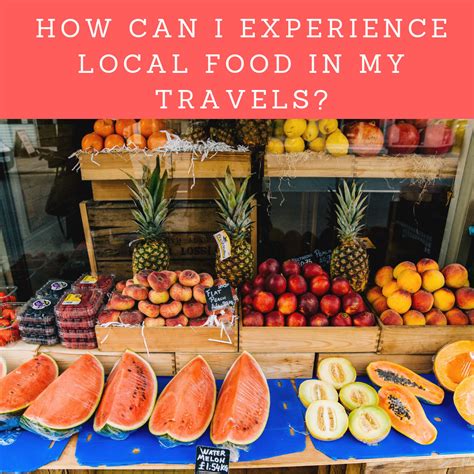





What visual tips guarantee authentic food discoveries on every adventure?

The Quest for Authentic Flavors
The quest for authentic local cuisine is often a highlight of any travel adventure. While guidebooks and online reviews offer a starting point, the most rewarding discoveries frequently come from keen observation and trusting your instincts. Learning to ‘read’ a food scene visually can lead you to hidden gems that truly capture the essence of a destination’s culinary heritage, ensuring a genuine taste of the local culture.
The Local Litmus Test: Where Do the Locals Eat?
This is perhaps the most reliable visual indicator. A restaurant, street stall, or market counter packed with residents, especially during non-peak tourist hours, is a strong signal of quality and authenticity. Look for multi-generational families, workers on their lunch break, or friends catching up – these are your best guides to unpretentious, beloved eateries. Conversely, avoid places that are largely empty or filled exclusively with tourists, especially if the menu is in multiple languages with glossy, over-styled photos, unless you’re seeking a specific high-end, internationally renowned spot.
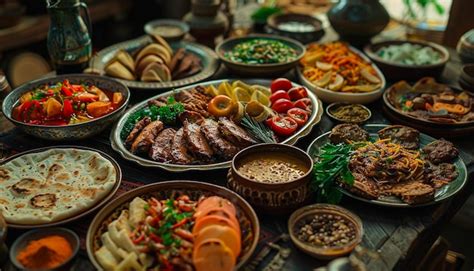
Menu Matters: Simplicity and Specificity
An authentic eatery often has a focused menu, specializing in a few dishes done exceptionally well, rather than an extensive list catering to every possible taste. Look for handwritten menus, daily specials boards, or even just a few items displayed prominently. The fewer the options, often the better the execution of those that are offered. The language used is also telling: if the menu is solely in the local language, with maybe a very basic, hand-written translation, it often indicates a place primarily serving locals. Overly descriptive, ‘tourist-friendly’ language can sometimes be a red flag.
Ambiance and Atmosphere: Beyond the Decor
Authenticity often doesn’t equate to fancy. Many of the best local spots are humble, bustling, and unpretentious. Look at the tables: are they clean but perhaps a little worn? Are people sharing tables or eating quickly, focused more on the food than the surroundings? These are signs of a place prioritizing the culinary experience itself. Observe the kitchen (if visible): is it active, clean, and are ingredients being handled freshly? The energy of the staff and the patrons can tell you a lot about the establishment’s character and commitment to quality.
The Food’s First Impression: Freshness and Presentation
Before you even taste, look at the food being served to others. Does it look fresh, vibrant, and appealing? Are the portions generous and does it resemble dishes you’ve seen locals enjoy elsewhere? Pay attention to the ingredients. Are they seasonal and locally sourced? For street food, observe the turnover – if food is being cooked fresh and constantly replenished, it’s a good sign. Avoid food that looks like it’s been sitting out for too long under heat lamps or display cases without fresh rotation.

Sensory Cues: Follow Your Nose and Eyes
Don’t underestimate your other senses. A strong, appealing aroma wafting from a restaurant or stall can be an irresistible invitation, hinting at deliciousness within. Similarly, watching a dish being prepared with skill and care, seeing the fresh ingredients transformed before your eyes, can heighten anticipation and confirm authenticity. Look for queues at specific stalls in a market – these are almost always worth the wait. Observe what people are buying and how they’re enjoying it, as their expressions of satisfaction are often the clearest visual cue of all.

Conclusion: Trust Your Vision for Culinary Gold
By honing your visual observation skills, you can significantly enhance your chances of stumbling upon truly authentic and memorable food experiences on your travels. From the crowds of locals and the simplicity of the menu to the vibrant freshness of the dishes and the enticing aromas, these visual cues act as your personal compass. They guide you away from tourist traps and directly to the heart of a destination’s culinary soul. So, next time you’re exploring, open your eyes wide – your next great food discovery might just be waiting to be seen.