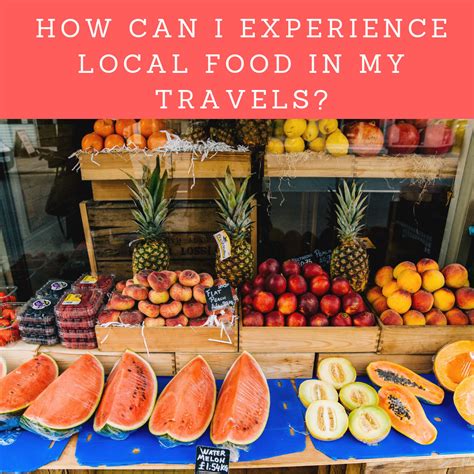





Visual cues: How do real foodies spot truly authentic local eats abroad?

For the intrepid traveler with a discerning palate, the quest for truly authentic local food abroad is often as thrilling as the destination itself. While tourist traps abound, serving up diluted versions of local classics, real foodies possess a keen eye for visual cues that betray genuine culinary treasures. It’s an art form, a scavenger hunt, and a delicious reward.
The Lure of the Local Lineup
The most undeniable visual cue is often a queue—especially if it’s packed with locals. When you see a bustling line stretching out the door, comprising primarily residents rather than fellow tourists clutching guidebooks, you’ve likely hit gold. Locals know best; they’re not queuing for novelty but for consistently good, authentic food at a fair price. Observe their interactions, their anticipation, and the sheer volume of their chatter – these are all indicators of a beloved establishment.

Unpretentious Ambiance and Decor
Authenticity rarely comes wrapped in glossy, modern packaging. Often, the best local eateries are humble, unpretentious establishments. Look for worn tables, simple plastic chairs, faded paint, or even street-side stalls that clearly prioritize the food over aesthetics. A lack of elaborate decor or English signage can be a promising sign, indicating that the establishment caters to its community rather than international visitors. The focus is on tradition, taste, and turning out consistently delicious dishes.
Menus That Speak Volumes (or Don’t)
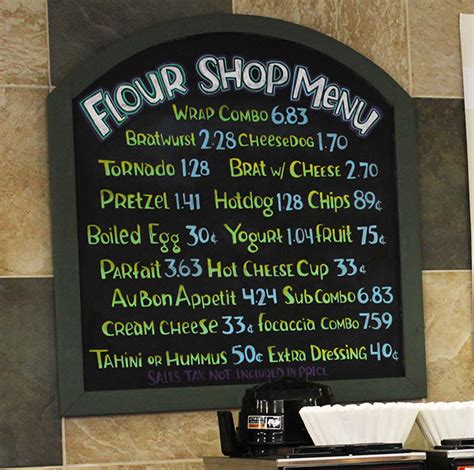
A menu laden with glossy photos of every dish, translated into multiple languages, is often a red flag. True local gems frequently feature simpler menus, perhaps handwritten, chalked on a board, or even just spoken. A short, focused menu that specializes in only a few dishes is another excellent indicator. It suggests mastery over those specific recipes rather than a sprawling, mediocre offering. If you see locals ordering without even looking at a menu, it’s a sign that the food is so good, and so ingrained in the local culture, that the choices are understood.
The Scent and Sound of Authenticity
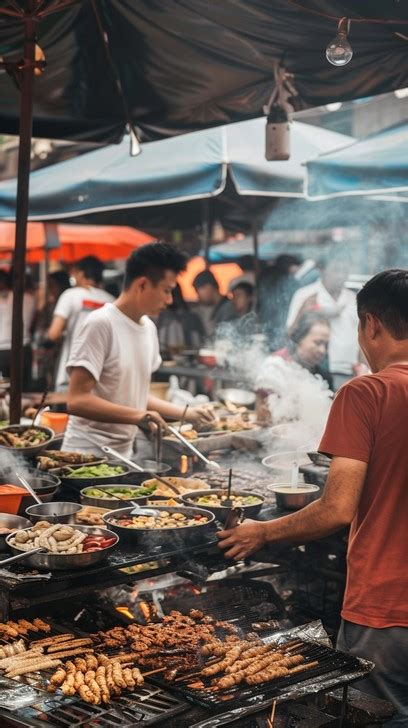
Beyond sight, engage your other senses. Authentic eateries often have a distinctive aroma that pulls you in – the savory scent of spices simmering, fresh bread baking, or charcoal grilling. Listen for the clatter of pots and pans, the sizzle of food, and the lively chatter of satisfied customers. These sounds indicate a busy, working kitchen producing fresh meals in real-time. Visible cooking, especially in open-kitchen setups or street food stalls, offers a direct visual cue to the freshness and preparation methods.
Strategic Location Away From Tourist Hubs
While some culinary gems might be found near landmarks, the truly authentic spots often require a bit of venturing off the beaten path. Explore residential neighborhoods, local markets, or side streets away from the main tourist arteries. These locations are where locals live, work, and eat, and thus where you’re more likely to discover family-run establishments that have been serving generations of the same community. Don’t be afraid to wander; Google Maps is a great tool, but sometimes the best finds come from pure serendipity.

Ultimately, spotting truly authentic local eats abroad is about observation, intuition, and a willingness to step outside your comfort zone. By paying attention to these visual cues—and trusting your gut—you’ll unlock unforgettable culinary experiences that truly connect you with the heart and soul of your travel destination.