



Actionable Visual Bite tips to make foodies click for recipes, not just scroll?
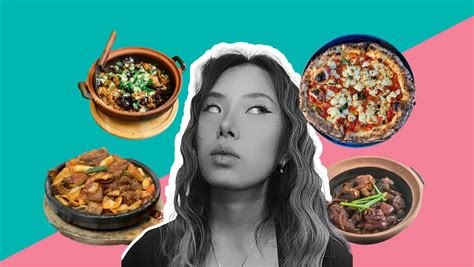
Beyond the Scroll: Capturing Clicks with Irresistible Food Visuals
In the vast ocean of online food content, simply looking good isn’t enough to stand out. Foodies are bombarded with beautiful images daily, making the scroll reflex stronger than ever. The challenge for creators isn’t just to produce pretty pictures, but to craft ‘visual bites’ that actively compel users to click through to a recipe. This requires a strategic approach, blending aesthetic appeal with clear calls to action and smart visual cues. Let’s dive into actionable tips that will turn passive scrolling into eager clicking.
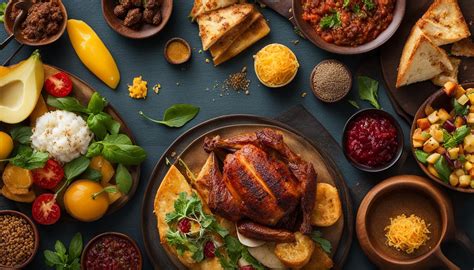
Mastering the Art of Appetizing Composition
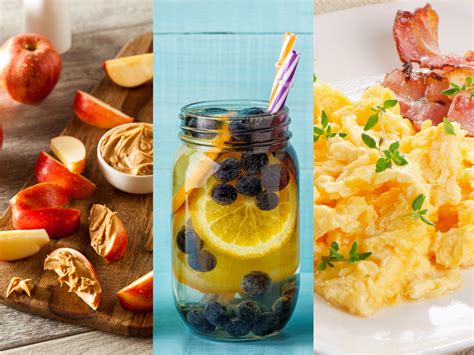
The first step to an actionable visual is an undeniably appetizing one. Focus on composition that highlights the best features of your dish. Use the rule of thirds, leading lines, and negative space to guide the viewer’s eye. A tight crop can emphasize texture and ingredients, creating a sense of intimacy and deliciousness. Consider the ‘hero’ element of your dish and ensure it’s the star. Often, showing a slice taken out, a drizzle pouring, or a forkful ready to be eaten can make the image more dynamic and inviting, hinting at the delightful experience awaiting the clicker.
The Power of Light and Color
Lighting is paramount in food photography. Natural light, especially diffused daylight, is often the most flattering, bringing out the true colors and textures of your food. Avoid harsh shadows or overly yellow indoor lighting that can make food look unappetizing. Furthermore, strategically use color to evoke emotion and draw attention. Bright, contrasting colors can pop on a busy feed, while warm tones often create a sense of comfort and home. Ensure your colors are true to life – nobody wants a blue steak!
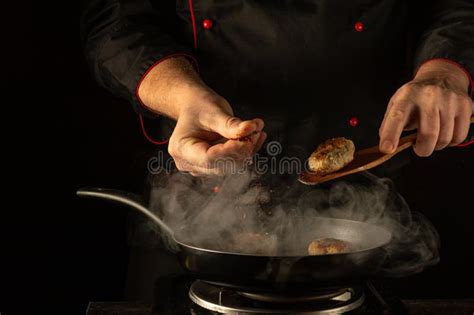
Storytelling Through Your Lens
A static image can tell a story, hinting at the process, the ingredients, or the final delight. Instead of just showing the finished dish, consider including a subtle prop that suggests an ingredient (e.g., a sprig of fresh herb, a few spices) or a hand in the frame that implies human interaction. A ‘process shot’ showing a step or two in the making, or a ‘before and after’ (even implied), can build intrigue and make the viewer curious about the full recipe. This storytelling aspect connects with the audience on a deeper level, transforming a simple photo into an experience.
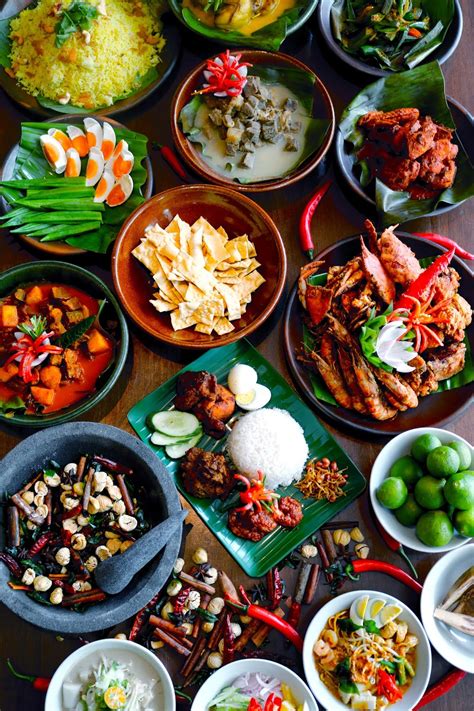
Crafting the Irresistible Call to Action (Visual Cues)
Beyond explicit text, your visual itself should serve as a subtle call to action. Imagine what makes you want to reach out and grab something – translate that into your photo. This might involve steam rising, melted cheese stretching, or a perfectly golden crust. These are sensory cues that bypass rational thought and go straight to craving. Pair these with clear, concise overlays (if your platform allows) or captions that explicitly invite the click. Use arrows, a distinct visual hierarchy, or even a ‘mock-up’ of a button within the image if appropriate for platforms like Pinterest to guide the eye towards the click. Remember, a compelling visual often makes the accompanying text irresistible.

Optimizing for Platform and Audience
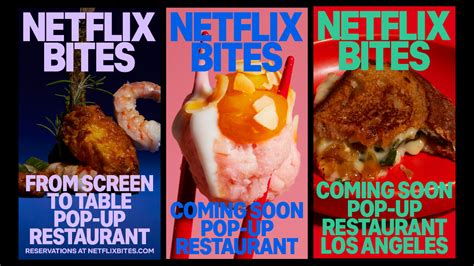
Different platforms have different visual languages and audience behaviors. On Instagram, high-quality, aspirational imagery with a cohesive feed might work best. On Pinterest, vertical pins with text overlays that explicitly state the recipe type or benefit perform well. TikTok thrives on short, engaging video snippets that show process and result. Understand where your audience spends their time and tailor your visual bites to fit that environment. Test different visual styles and observe which ones generate the most clicks and engagement for your specific content.

Conclusion
Transforming a scroll into a click is an art and a science. By focusing on appetizing composition, strategic lighting and color, compelling visual storytelling, and integrating subtle calls to action within your visuals, you can elevate your food content. Remember to experiment, analyze your results, and continuously refine your approach. With these actionable tips, you’re well on your way to creating visual bites that don’t just stop the scroll, but drive the coveted click-through to your delicious recipes.