



Secret to beautiful food styling for visual recipes?

Why Visual Appeal is Key in Today’s Recipes
In the digital age, a recipe is often judged first by its cover. Stunning food photography and videography don’t just accompany a recipe; they are an integral part of its allure, drawing in viewers and inspiring them to cook. The ‘secret’ to making food look as good as it tastes isn’t elusive; it’s a combination of deliberate choices and a keen eye for detail. This article will unravel the core principles behind creating visually stunning dishes for your audience.
Harness the Power of Natural Light
The single most impactful element in food styling is good lighting. Natural, diffused light is almost always your best friend. Position your food near a window, but out of direct sunlight, which can create harsh shadows and blown-out highlights. Use a sheer curtain or a white diffuser to soften the light even further. If one side of your dish looks too dark, a white foam board or reflector can bounce light back onto it, illuminating shadows and adding depth.

Choose Your Props Wisely and Sparingly
Props should enhance, not overpower, your food. Simple, understated plates, bowls, and cutlery often work best. Think about texture – a rustic wooden board, a linen napkin, or a ceramic bowl can add visual interest without distracting from the main subject. Backgrounds should be clean and uncluttered. A neutral wall, a simple wooden table, or even a plain sheet of paper can serve as an excellent backdrop. Remember, every element in the frame should have a purpose.
Master the Art of Composition
Composition is how you arrange elements within your frame. The ‘rule of thirds’ is a classic photography guideline: imagine dividing your frame into nine equal sections with two horizontal and two vertical lines. Place your key subject at the intersection of these lines, or along them, for a more dynamic and engaging shot. Consider angles – a top-down ‘flat lay’ works well for showing ingredients and arrangement, while a lower angle can highlight height and texture, particularly for stacked dishes.
Plating with Precision and Purpose
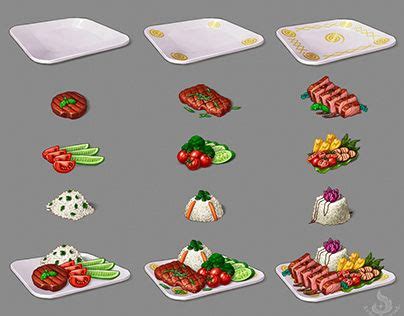
How you arrange the food on the plate is paramount. Start by ensuring your plate is clean, with no smudges or drips. Focus on creating height and dimension; don’t just flatten the food. Think about contrasting colors and textures. For example, a vibrant green garnish on a creamy soup, or crisp croutons on a soft salad. Undercooking vegetables slightly can help them retain their vibrant color and firm texture, making them look fresher and more appealing on camera.
The Magic of Garnishes and Freshness
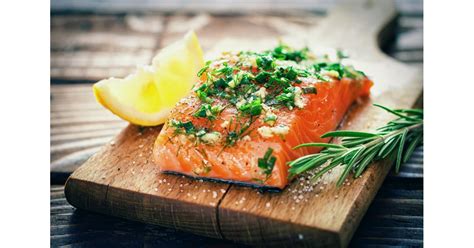
Garnishes are the jewellery of your dish. A sprinkle of fresh herbs, a zest of citrus, a dusting of powdered sugar, or a few artfully placed seeds can transform a dish from good to glorious. These small details add a burst of color, texture, and a sense of freshness that instantly elevates the visual appeal. Ensure all garnishes are as fresh as possible, as wilting leaves or dull colors will detract from your efforts.
Storytelling Through Your Styling
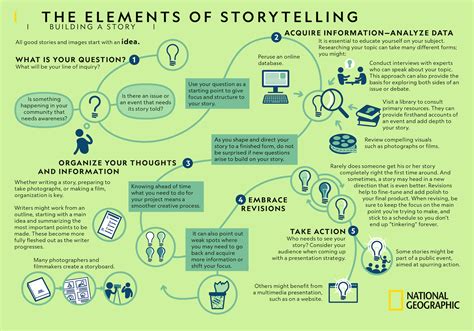
Beyond just presenting the food, think about the story you want to tell. Are you showcasing a cozy, rustic meal? A vibrant, healthy feast? Or an elegant dessert? Your choice of props, lighting, and even the mess (or lack thereof) can contribute to the narrative. A few crumbs on a cutting board next to a freshly baked loaf can evoke warmth and hominess, while pristine plating suggests sophistication. Let your styling reflect the essence of the recipe.
Conclusion: Practice Makes Perfect
Beautiful food styling is a skill developed through practice and observation. Experiment with different angles, lights, and arrangements. Pay attention to how professional food stylists and photographers present their work. Over time, you’ll develop an intuitive understanding of what makes a dish visually irresistible. The secret is simply to be intentional, pay attention to detail, and always put the food’s best face forward.