



How to ensure vibrant colors & fresh flavors truly pop on your foodie feed?

The Culinary Canvas: Starting with Quality Ingredients
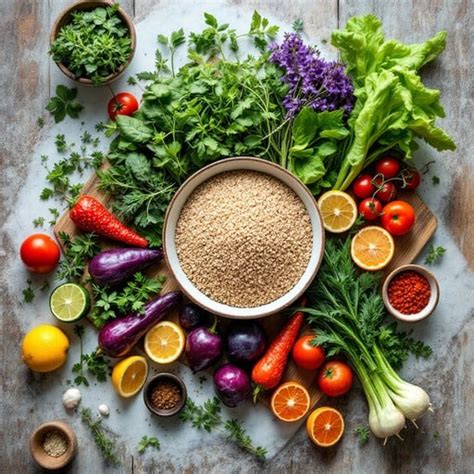
The journey to a vibrant and flavorful foodie feed begins long before the camera comes out—it starts with the ingredients themselves. The fresher your produce, the more intense its natural colors and flavors will be. Prioritize seasonal, locally sourced vegetables and fruits whenever possible. Their inherent vitality translates directly onto your plate and, subsequently, into your photographs.
When selecting ingredients, look for crisp, unblemished produce with deep, natural hues. For proteins, choose cuts that look fresh, avoiding any discoloration. High-quality dairy and grains also contribute to the overall appeal and taste. Remember, you can’t fake freshness; it’s the bedrock of truly stunning and delicious food.
Techniques to Preserve Purity: Cooking for Color and Taste
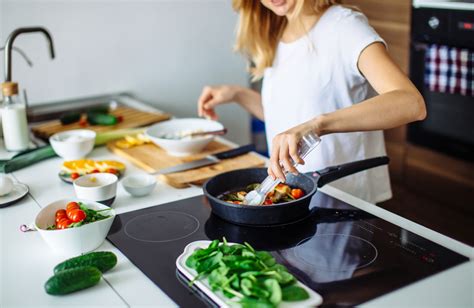
Cooking methods play a pivotal role in retaining the vividness and taste of your food. Overcooking is the enemy of both. For vegetables, aim for al dente—crisp-tender—to keep their structural integrity and bright colors. Quick cooking methods like blanching, stir-frying, or steaming are excellent for preserving nutrients and visual appeal. For example, a quick blanch in boiling, salted water followed by an ice bath will make green beans or broccoli glow.
When searing meats, ensure your pan is hot enough to achieve a beautiful crust without drying out the interior. This “Maillard reaction” not only adds deep flavor but also creates an appealing visual contrast. Avoid crowding your pan, which can lower the temperature and lead to steaming rather than browning. Think about how different cooking techniques impact the final texture and hue of each component in your dish.

The Art of the Plate: Composition and Garnishing
Plating is where your culinary art meets visual storytelling. A well-composed plate isn’t just about placing food; it’s about creating balance, contrast, and visual interest. Think about using a neutral background (your plate) to make the colors of your food stand out. Arrange components intentionally, allowing for some “white space” around the food to prevent it from looking cluttered.
Contrast is key: pair different textures (crisp vs. soft), shapes (rounds vs. long strips), and colors (bright green against a rich red) to make the dish pop. Finally, don’t underestimate the power of a thoughtful garnish. Fresh herbs, a sprinkle of toasted seeds, a drizzle of colorful sauce, or a dusting of spice can elevate a dish from good to gourmet, adding that final touch of vibrancy and perceived freshness.

Enhancing Flavors: Beyond the Base Ingredients
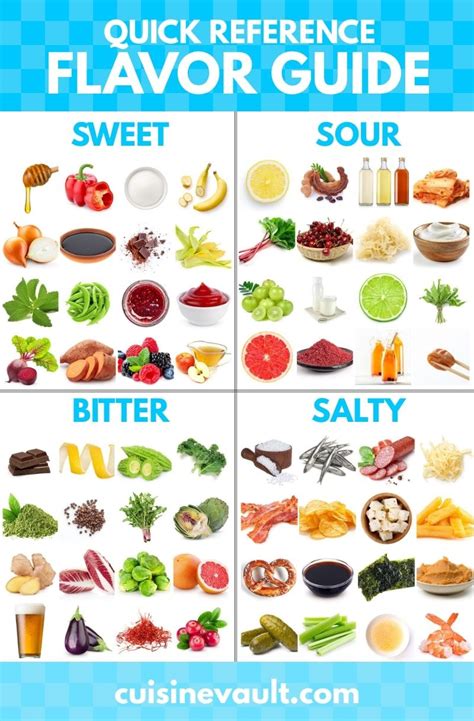
While fresh ingredients are the foundation, strategic flavor enhancers can make your food truly sing. Don’t be shy with herbs and spices. Fresh herbs, added at the end of cooking or as a garnish, provide an aromatic burst and vibrant green that signals freshness. Spices, when properly toasted and incorporated, add depth and warmth that translates to a richer taste experience.
Acidity is another secret weapon. A squeeze of lemon or lime juice, a splash of vinegar, or even the zest of citrus can brighten flavors, cut through richness, and add a refreshing zing. Seasoning with salt and pepper throughout the cooking process, rather than just at the end, also builds layers of flavor. Taste as you go, and adjust until the flavors are perfectly balanced and pronounced.
The Final Polish: Lighting and Presentation Angle
Even the most perfectly cooked and plated dish can fall flat without the right presentation. While this article focuses on the food itself, a quick note on photography is warranted. Natural, diffused light is your best friend. Position your plate near a window but out of direct sunlight. Overcast days are often ideal. Avoid harsh overhead lighting or flash, which can create unflattering shadows and wash out colors.
Consider your angle. Sometimes a straight-on shot highlights layers and textures, while an overhead “flat lay” showcases the entire composition. Experiment with different perspectives to find the one that best captures the vibrancy and freshness of your culinary creation. Remember, the goal is to make viewers almost taste the food through their screens.
Conclusion
Making your food truly pop on a foodie feed is a multi-faceted endeavor that extends beyond just cooking. It’s a deliberate process of selecting peak ingredients, employing smart cooking techniques to preserve their essence, artfully plating with an eye for color and texture, and finally, using strategic flavor enhancers. By mastering these elements, you’ll not only create dishes that are a feast for the eyes but also an unforgettable experience for the palate, ensuring your culinary creations grab attention and inspire appetites across the digital world.