



Best hacks for vibrant, nutrient-dense meal prep that saves time and looks amazing?

Revolutionize Your Kitchen: The Art of Vibrant, Nutrient-Dense Meal Prep
Meal prepping has evolved beyond bland chicken and broccoli; it’s now a sophisticated art form focused on maximizing nutrition, minimizing waste, and creating dishes that excite both the palate and the eyes. If you’ve struggled with uninspiring meal prep or felt overwhelmed by the process, these hacks are designed to inject color, nutrients, and efficiency into your weekly routine, ensuring your healthy eating goals are both sustainable and enjoyable.
Smart Planning for Maximum Impact
The foundation of successful meal prep lies in meticulous yet flexible planning. Start by choosing a theme for your week – perhaps ‘Mediterranean Monday’ or ‘Taco Tuesday’ – which helps streamline ingredient lists. Focus on versatile base ingredients that can be repurposed across multiple meals. For instance, roasted sweet potatoes can become a side dish, a base for a grain bowl, or even an addition to a breakfast hash.
- Seasonal & Local Produce: Prioritize ingredients that are in season. They’re often cheaper, fresher, and more flavorful, naturally boosting the vibrancy and nutrient content of your meals.
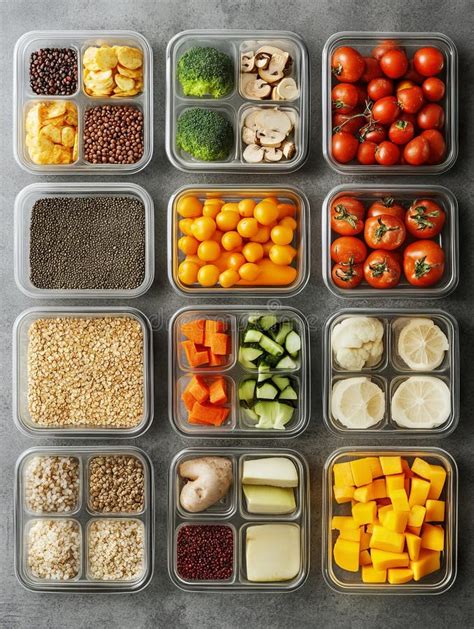
- The ‘Component’ Approach: Instead of preparing full meals, prep individual components. Roast a big batch of vegetables, cook a large pot of grains, and grill a protein source. This allows for endless mix-and-match possibilities throughout the week.
- Master Your Staples: Identify a few go-to sauces, dressings, and spice blends. Making these in bulk saves time during daily assembly and ensures consistent flavor.
Cooking Hacks for Nutrient Density & Time Efficiency
Efficient cooking methods are crucial for saving time without sacrificing nutrition. Embrace techniques that allow for hands-off cooking or batch processing.
Batch Cooking & Smart Equipment Use
- Sheet Pan Wonders: Use sheet pans for roasting multiple vegetables and proteins simultaneously. Toss with olive oil and your favorite spices, then roast until tender and slightly caramelized. This method minimizes cleanup and preserves nutrients.
- Instant Pot & Slow Cooker: These appliances are invaluable for hands-off cooking of grains, legumes, and tough cuts of meat. Set it and forget it, freeing up your time for other tasks or relaxation.
- Blanching & Shocking: For vibrant green vegetables like broccoli or green beans, a quick blanch followed by an ice bath (shocking) locks in color and crispness, preventing them from becoming mushy during reheating.
Incorporating Superfoods & Healthy Fats
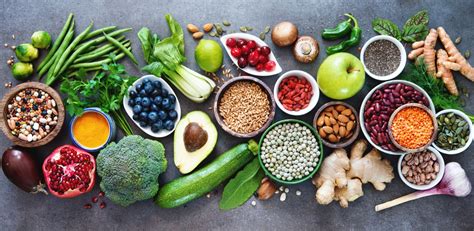
To truly boost nutrient density, consciously integrate a variety of ‘superfoods’ and healthy fats into your prep. Think beyond the obvious:
- Dark Leafy Greens: Always have spinach, kale, or Swiss chard on hand. They can be wilted into almost any hot dish or added fresh to salads and smoothies.
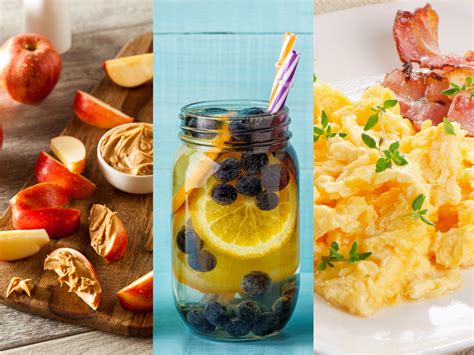
- Berries & Citrus: Excellent for snacks, breakfast bowls, or adding a zesty kick to savory dishes.
- Avocado & Nuts/Seeds: These provide healthy fats and essential nutrients. Add them fresh before serving to maintain texture and avoid sogginess. A sprinkle of toasted seeds also adds amazing crunch.
- Fermented Foods: Kimchi, sauerkraut, or plain yogurt can be added as a garnish to support gut health and add a tangy flavor profile.
Aesthetic Appeal: Making Your Meals Look Amazing
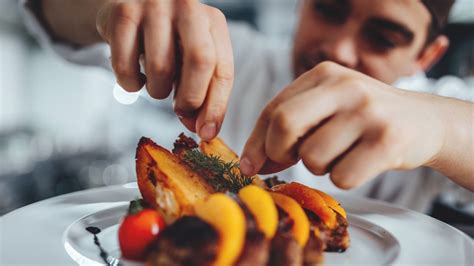
We eat with our eyes first! Presenting your meals beautifully makes healthy eating more appealing and satisfying. It encourages you to stick with your plan and adds a touch of joy to your daily routine.
Color, Texture, and Garnish
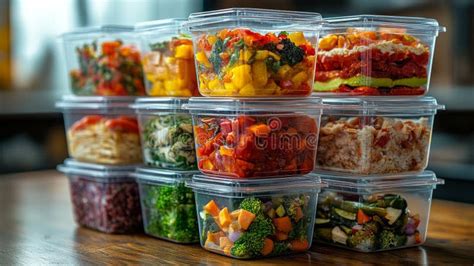
- The Rainbow Rule: Aim for a variety of colors in each meal. Different colors often indicate different nutrient profiles. Red bell peppers, purple cabbage, orange carrots, green herbs – a kaleidoscope of ingredients makes your plate pop.
- Layering for Visual Interest: When packing meals in containers, layer ingredients thoughtfully. Grains at the bottom, then protein, then vegetables, with dressings or delicate garnishes (nuts, seeds, fresh herbs) on top or in a separate small container.
- Fresh Finishes: Always save some fresh elements to add just before eating. A squeeze of lemon, a sprinkle of fresh herbs (cilantro, parsley, mint), a dollop of Greek yogurt, or a dash of chili flakes can instantly elevate a meal’s flavor and appearance.
Storage & Reheating for Optimal Freshness
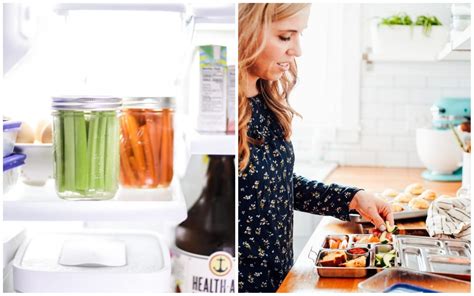
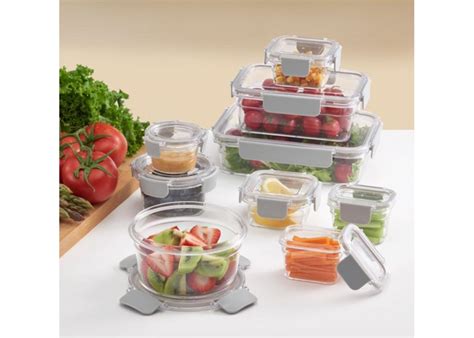
Proper storage is paramount for maintaining freshness and preventing spoilage. Invest in good quality, airtight containers, preferably glass for easy reheating.
- Separate Wet & Dry: Store dressings, sauces, and ingredients prone to sogginess (like delicate greens) separately until ready to eat.
- Cool Completely: Always allow cooked food to cool completely before portioning and refrigerating to prevent bacterial growth and condensation.
- Labeling: Date your containers! This helps track freshness and ensures you consume meals within their optimal window.

Embrace the Journey
Meal prepping vibrant, nutrient-dense, and visually stunning meals is a skill that develops over time. Don’t be afraid to experiment with new ingredients, spice blends, and presentation techniques. By implementing these hacks, you’re not just preparing food; you’re cultivating a healthier, more efficient, and more beautiful approach to eating that truly supports your well-being. Enjoy the process, savor the flavors, and revel in the time you’ve reclaimed!