



Elevate home cooking: simple plating hacks for stunning food photos?
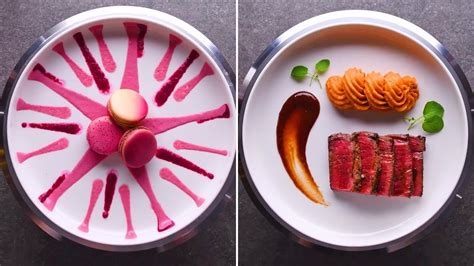
Home cooking brings immense satisfaction, but imagine taking that satisfaction a step further by transforming your delicious dishes into visual masterpieces. You don’t need to be a professional chef or food stylist to make your meals look restaurant-worthy – just a few simple plating hacks can elevate your food photography game and impress anyone you share your creations with, even if it’s just your social media followers.
The Canvas: Choosing Your Plate Wisely
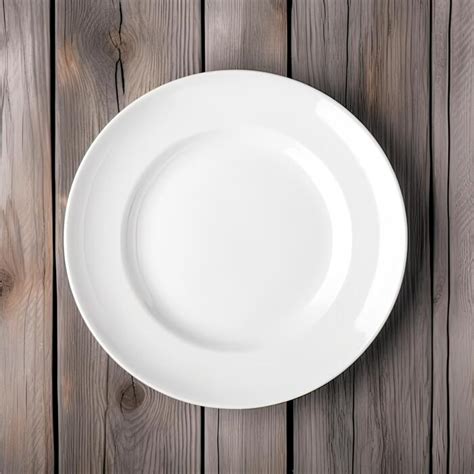
Before you even think about arrangement, consider your plate. The right plate acts as the perfect canvas for your culinary art. Generally, plain white or neutral-colored plates work best as they don’t distract from the food itself. Consider the size of your plate in relation to the portion – too small and it looks crowded, too large and the portion appears meager. Oval, rectangular, or even rustic wooden boards can also add an interesting dynamic, depending on the dish.

Mastering the Art of Arrangement and Negative Space
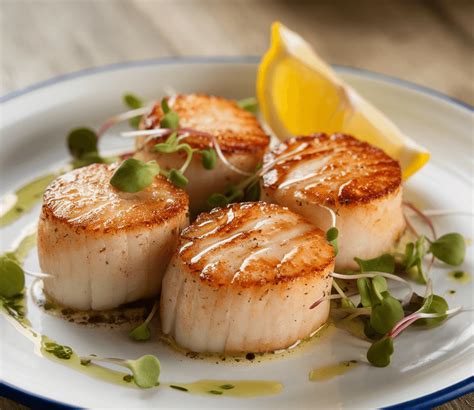
One of the most powerful tools in plating is negative space. Don’t feel the need to fill every inch of the plate. Instead, arrange your main components (protein, starch, vegetables) to create a focal point, often offset from the center. Think about the ‘rule of thirds’ from photography – mentally divide your plate and place key elements where the lines intersect. This creates balance and visual interest.
Building height can add a professional touch. Instead of spreading everything flat, try to stack or layer elements in a way that’s stable and appealing. For example, place your protein down first, then carefully arrange your starch and vegetables around or on top of it. Using odd numbers of items (e.g., three asparagus spears instead of two or four) can also make arrangements feel more natural and artistic.
Color, Contrast, and Texture: The Visual Feast
A visually appealing dish is often a vibrant one. Aim for a variety of colors that complement each other. If your main dish is monochrome, think about adding a pop of color through a garnish like fresh herbs, a vibrant sauce, or pickled vegetables. Contrast isn’t just about color; it’s also about texture. A dish with varying textures – crunchy, creamy, soft, crispy – is not only more interesting to eat but also more engaging to look at. For instance, a sprinkle of toasted nuts over a creamy soup, or crisp croutons on a salad, adds both visual and textural depth.
Garnishes: The Finishing Touch
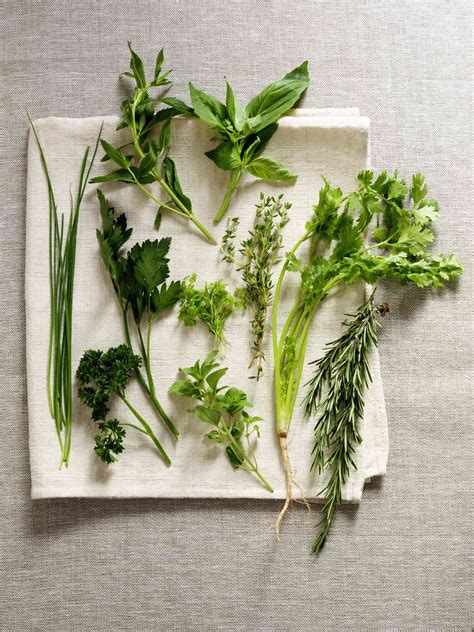
Garnishes are your secret weapon. A small sprinkle of chopped fresh herbs (parsley, cilantro, chives), a dash of paprika, a swirl of crème fraîche, or a lemon zest can instantly brighten a dish. Ensure your garnishes are fresh, edible, and directly relevant to the dish’s flavor profile. Use them sparingly; a little goes a long way. The goal is to enhance, not overshadow, your main components.

Sauces and Drizzles: Artistic Strokes
Sauces aren’t just for flavor; they’re excellent for presentation. Instead of just pouring sauce over everything, consider plating techniques like swooshing, dotting, or drawing. Use a spoon to create an elegant swoosh across the plate before placing your main ingredients. For thicker sauces or purées, use a squeeze bottle to make precise dots or lines. A careful drizzle of olive oil or balsamic glaze can also add a glossy finish and visual appeal.
Cleanliness and Lighting: The Unsung Heroes
Finally, no matter how perfectly you’ve arranged your food, smudges or drips on the rim of the plate can ruin the effect. Always take a moment to wipe the edges of your plate with a clean cloth or paper towel before serving or photographing. And while plating is about arrangement, good lighting is crucial for food photography. Natural light is almost always best, so try to photograph near a window, avoiding direct sunlight. Angle your phone or camera slightly from above to capture the full dimension of your beautifully plated dish.
Elevating your home cooking through simple plating hacks is an enjoyable journey. It’s about more than just a pretty picture; it’s about appreciating the food you make and adding an extra layer of care to the dining experience. Experiment with different techniques, find what works for your style of cooking, and most importantly, have fun creating delicious and visually stunning meals!