




For authentic food adventures, what visual clues reveal hidden local eats?

Embarking on a food adventure is about more than just tasting new dishes; it’s about immersing yourself in the local culture, understanding traditions, and savoring flavors that tell a story. While online reviews and guidebooks offer a starting point, the most profound culinary discoveries often happen serendipitously, guided by keen observation. For the intrepid food explorer, certain visual clues act as breadcrumbs, leading the way to truly authentic, hidden local eats that might otherwise be overlooked.
The Local Litmus Test: Where Do the Locals Eat?
This is arguably the most crucial visual cue. A restaurant bustling with locals, especially older generations, families, or people in work uniforms, is a strong indicator of authenticity. Tourists tend to flock to well-advertised spots; locals gravitate towards quality, value, and tradition. Look for:
- Long Queues: If there’s a line out the door, particularly during peak meal times, and it’s filled with people who look like they live there, join it. Patience is often rewarded with exceptional food.
- Demographic Mix: A mix of ages, from grandparents to schoolchildren, suggests a place deeply embedded in the community’s daily life.
- Familiar Faces: Regulars chatting with staff or owners often signifies a cherished establishment.
The Aesthetic of Authenticity: Beyond the Instagram Filter
Authentic local eateries often prioritize substance over style. Forget plush decor, elaborate lighting, or slick branding. Instead, pay attention to:
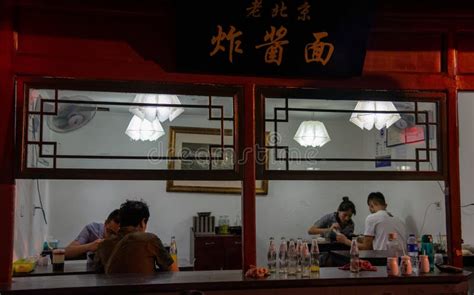
- Unpretentious Decor: Worn tables, simple chairs, utilitarian cutlery, and minimal adornments can be signs of a place focused entirely on the food. Chipped paint and mismatched crockery often tell a tale of longevity and beloved status.
- Handwritten or Limited Menus: A menu that’s handwritten, only in the local language, or surprisingly short, can indicate a specialized kitchen focusing on a few dishes done exceptionally well, often with seasonal ingredients.
- Visible Kitchen or Preparation: Especially for street food or smaller establishments, seeing the chefs at work, the ingredients being prepped, or dishes cooking in plain sight builds trust and excitement.

The Aroma and Ambience: A Feast for the Senses
Our other senses also play a vital role. Before you even see the food, you can often smell and hear the authenticity:
- Inviting Aromas: The rich, savory, or spicy smells wafting from an establishment are a powerful draw. Learn to distinguish generic cooking smells from distinct, complex aromas of local spices and ingredients.
- Lively Chatter: A buzzing atmosphere filled with local conversations, laughter, and the clatter of dishes signifies a vibrant, popular spot. Avoid eerily quiet places unless they are high-end, reserved dining experiences.
Off the Beaten Path: Location, Location, Location
Tourist areas are often saturated with establishments catering to foreign palates, sometimes at inflated prices. True local gems are frequently found:
- Down Side Streets: Venture a block or two away from major attractions or main thoroughfares.
- In Residential Areas: Restaurants in neighborhoods, rather than commercial centers, often serve the local community.
- Near Markets or Transportation Hubs: These spots are frequented by locals going about their daily lives and often offer quick, delicious, and affordable meals.

The Food Itself: First Impressions Count
Even a quick glance at dishes being served to other patrons can offer valuable insights:
- Generous Portions: Locals often appreciate hearty, satisfying meals.
- Authentic Presentation: While plating can be simple, authentic dishes usually look robust, fresh, and true to traditional recipes, rather than overly stylized for photography.
- Specialized Offerings: A place known for just one or two specific dishes (e.g., a noodle shop, a dumpling house, a taco stand) is often a master of its craft.
Trusting your instincts and developing an eye for these subtle visual cues will transform your food adventures from merely eating to truly experiencing a culture through its cuisine. So, next time you’re exploring a new city, put down the guidebook for a moment, look around, and let your eyes lead you to your next unforgettable meal.