



How to plate everyday recipes for maximum visual appeal & deliciousness?

The Art of Everyday Plating: Beyond Just Eating
Eating is a multi-sensory experience, and while taste and aroma often take center stage, the visual appeal of a dish plays a crucial role in enhancing our enjoyment. Even for your everyday weeknight meals, a thoughtful presentation can transform a simple plate of food into something truly special, making it more appetizing and enjoyable. You don’t need to be a Michelin-star chef to plate your food beautifully; a few simple techniques can make a significant difference.
Foundation First: Choosing the Right Canvas
The plate itself is your canvas. Choosing the right one can dramatically impact the final presentation.
Plate Shape and Size
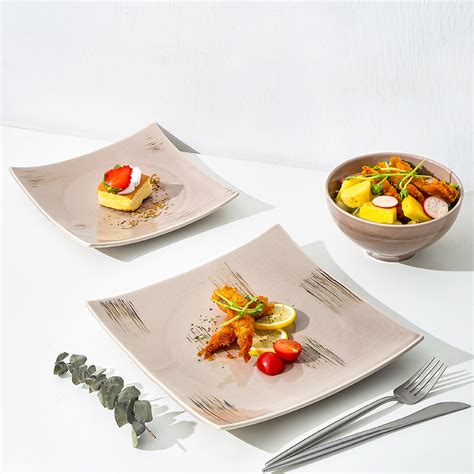
Often, larger plates make portions look more elegant and less crowded. White or neutral-colored plates tend to make food colors pop more vibrantly. Consider the shape – round plates are classic, but square or rectangular plates can offer a modern edge. Don’t overfill the plate; leaving some empty space around the food helps it breathe and appear more sophisticated.
Color Contrast
Think about how the color of your plate will interact with your food. A vibrant green salad will look stunning on a crisp white plate, while a rich, dark stew might benefit from a lighter background to prevent it from looking dull.
Mastering the Elements: Composition and Balance
Once you have your canvas, it’s time to arrange the edible components. Think of your plate as a clock face.
The Rule of Thirds (or Odds)
Instead of placing everything in the center, try to arrange elements off-center or in groups of odd numbers (e.g., three asparagus spears instead of two or four). This creates a more dynamic and visually interesting composition. Place your main protein or star ingredient between 3 and 9 o’clock, and your sides (carbohydrates and vegetables) between 9 and 12, and 12 and 3 o’clock, respectively.
Height and Texture
Adding height to your dish can make it look more appealing. Instead of spreading ingredients flat, try stacking or leaning them. Think about contrasting textures too – a creamy purée alongside something crunchy adds complexity not just to taste but also to the visual experience.
Color and Contrast: Making Food Pop
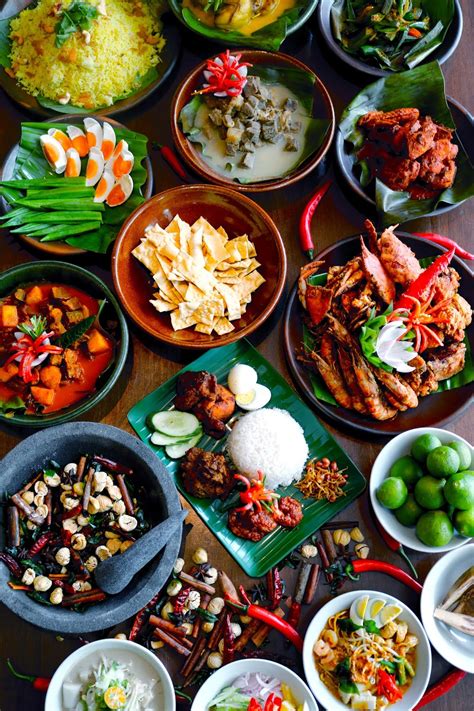
Color is one of the most impactful visual elements. A plate with a variety of colors is inherently more attractive and inviting.
Natural Hues
Incorporate a range of natural colors from fruits and vegetables. For instance, a dish featuring a beige main component (like pasta or rice) can be brightened with fresh red tomatoes, green herbs, or vibrant yellow bell peppers.
Garnish with Purpose
Garnishes aren’t just for show; they should complement the dish. A sprinkle of fresh parsley or cilantro not only adds a pop of green but also contributes fresh flavor. Lemon wedges, lime zest, or a few toasted nuts can also add color and texture.

The Finishing Touches: Sauces and Garnishes
These final details can elevate your dish from good to gourmet.
Drizzling and Swirling
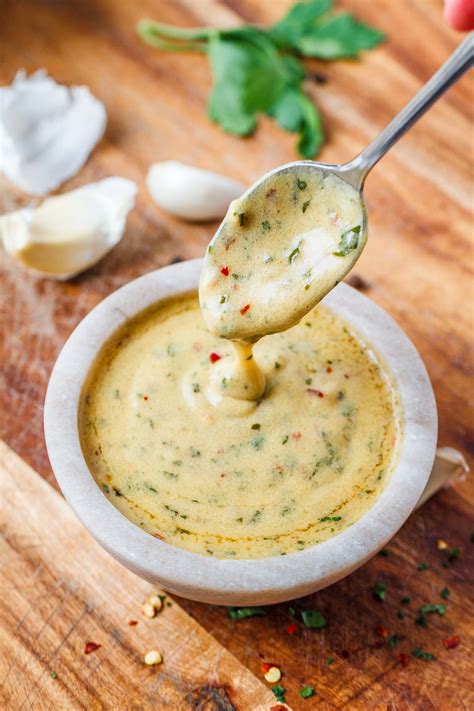
Instead of pouring sauce all over your food, try drizzling it artfully. Use a spoon to create a neat circle or an elegant swirl on the plate before adding your main components, or drizzle it over just a portion of the dish. A squeeze bottle can also help create professional-looking lines or dots.
Fresh Herbs and Spices
A final sprinkle of freshly chopped herbs, a crack of black pepper, or a pinch of chili flakes can add a layer of freshness and visual interest right before serving. Edible flowers, if appropriate for your dish, can also add a delightful touch.
Practical Tips for Busy Cooks
You don’t need to spend hours plating every meal. These tips are for real life:
- Keep it Simple: Sometimes, less is more. A well-cooked piece of fish with a vibrant side and a simple herb garnish can be stunning.
- Clean Edges: Always wipe the edges of your plate with a clean cloth or paper towel before serving. A messy rim detracts from even the most beautiful food.
- Think Ahead: When cooking, consider what ingredients you have that can add color or texture for plating.

Enjoy the Visual Feast
Plating your everyday meals is a small habit that can bring immense joy and appreciation to your dining experience. It’s about showing care and respect for the food you’ve prepared and for those you’re sharing it with. So, next time you cook, take an extra minute to arrange your food thoughtfully. You might be surprised at how much more delicious it tastes!