



Visual tips: How to capture drool-worthy food adventure photos for your feed?
Setting the Scene: Why Your Food Photos Matter
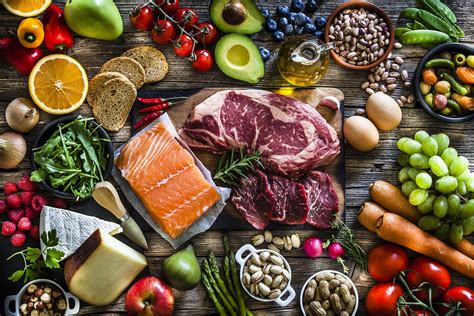
In the age of social media, sharing your culinary escapades has become an integral part of the travel experience. A truly captivating food photo doesn’t just showcase a dish; it tells a story, evokes an emotion, and most importantly, makes your followers’ mouths water. Whether you’re dining at a Michelin-starred restaurant or savoring street food from a bustling market, these visual tips will help you transform your food adventure moments into viral-worthy content.
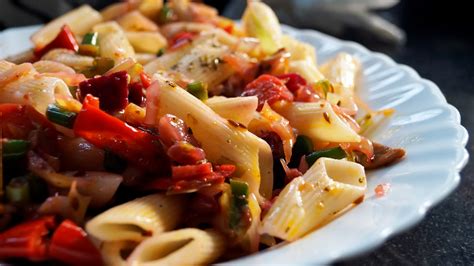
Mastering the Light: Your Best Friend for Food Photography
Good lighting can make or break a food photo. Always seek out natural light whenever possible. Position your dish near a window or outdoors, but avoid direct sunlight, which can create harsh shadows and overexposed areas. Diffused, soft light from the side or back of your dish often works best, highlighting textures and colors beautifully. If natural light isn’t an option, look for soft, even artificial light, and try to avoid using your phone’s built-in flash, which flattens the image.
Composition & Angles: Framing Your Feast
The way you frame your food greatly impacts its appeal. Experiment with different angles:
- Overhead/Flat Lay: Perfect for showcasing an entire spread, especially useful for brunch tables or multiple small dishes.
- 45-Degree Angle: Mimics how we naturally view food, great for dishes with some height like burgers or layered desserts.
- Eye-Level: Excellent for tall items or to capture intricate details of a drink or a stacked sandwich.
- Close-Ups: Focus on a specific texture or ingredient to highlight its deliciousness.
Remember the rule of thirds – imagine your photo divided into a 3×3 grid and place your main subject along the lines or at their intersections for a more dynamic and engaging shot.
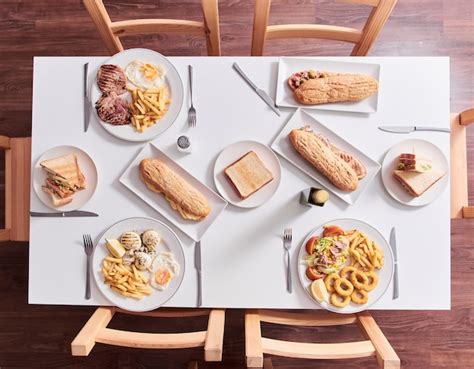
Styling Your Shot: Beyond Just the Plate
A great food photo is more than just the food itself. Think about the surroundings. Clear clutter from the background, but don’t be afraid to include elements that add context or tell a story, like a local tablecloth, cutlery, a drink, or a hand reaching for a piece of bread. Garnishes like fresh herbs, a sprinkle of spices, or a drizzle of sauce can elevate a simple dish. Ensure your plates and cutlery are clean and free of smudges.
Editing & Enhancing: Polishing Your Culinary Masterpiece
Even the best photos can benefit from a little post-processing. Use editing apps (like Snapseed, Lightroom Mobile, or even Instagram’s built-in editor) to make subtle adjustments. Focus on:
- Brightness and Contrast: To make the food pop.
- Saturation and Vibrancy: To bring out natural colors without making them look artificial.
- Sharpness: To enhance details.
- White Balance: To ensure colors are true-to-life and not tinted yellow or blue.
Avoid over-editing; the goal is to enhance, not distort, the natural beauty of the food.

Capturing the Story: Authenticity and Emotion
Your food adventure photos should transport your audience. Don’t just photograph the dish; capture the experience. Include elements that show the environment – the bustling market, the cozy cafe interior, or the scenic view from a restaurant. Sometimes, a shot of you (or a friend) interacting with the food – cutting into a steak, holding a taco, or clinking glasses – can add a human element and make the photo more relatable and engaging.
Conclusion: Go Forth and Feast!
With these tips in your arsenal, you’re ready to turn every meal into a photographic opportunity. Practice makes perfect, so don’t be afraid to experiment and find your unique style. The next time you embark on a food adventure, remember to look beyond the plate and capture the full, delicious story. Happy snapping, and get ready for those double-taps!