




For food adventures, what visual clues reveal truly authentic local eats?
The Quest for Authenticity
Embarking on a food adventure in a new city or country is an exhilarating experience. Beyond the tourist traps and generic international fare, lies a world of truly authentic local eats waiting to be discovered. But how do you separate the genuine from the glorified? The answer often lies in subtle visual clues that, once learned, become your secret weapon in the pursuit of culinary authenticity.
Observe the Crowd: Locals Know Best
The most telling visual clue is often the patrons themselves. A restaurant or street stall teeming with local residents, particularly during non-peak tourist hours, is a strong indicator of authenticity. Look for:
- Demographics: Are the diners primarily locals going about their daily lives, perhaps in work attire or local dress, rather than camera-wielding tourists?
- Bustle and Energy: A lively, sometimes noisy, atmosphere filled with local chatter suggests a beloved spot. Don’t be deterred by shared tables or a lack of formal seating – these are often hallmarks of truly local establishments.
- Return Customers: While harder to gauge, observing quick, familiar interactions between staff and customers can indicate a regular local clientele.
The Setting and Ambiance: Unpretentious Charm
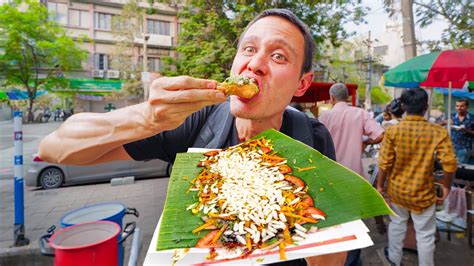
Authentic local eateries often prioritize substance over style. Their visual appeal might not be in luxurious decor but in their functional, no-frills setup. Look for:
- Modest Decor: Simple tables, plastic chairs, sparse ornamentation, or even just a cart on the street are common. The focus is squarely on the food, not on a curated ambiance designed to impress visitors.
- Well-Worn but Clean: Signs of heavy use (worn tables, faded paint) paired with visible efforts towards cleanliness (wiped surfaces, clear waste disposal) suggest a high turnover and care, even in a humble setting.
- Location: Often tucked away on side streets, in local markets, or away from the main tourist thoroughfares. These places aren’t trying to catch casual tourist glances.

Decoding the Menu: Language and Specialization
The menu itself offers a wealth of visual insights into a place’s authenticity.
- Local Language Dominance: A menu primarily in the local language, with perhaps a very basic, poorly translated English version (or none at all), is a good sign. When translations are too perfect and extensive, it might signal a tourist-oriented establishment.
- Specialized Offerings: Authentic places often specialize in a few specific dishes, doing them exceptionally well, rather than offering a sprawling, international menu. A short, focused menu indicates confidence in their signature items.
- Hand-written or Simple Design: Hand-written chalkboards, laminated sheets, or basic printouts often accompany truly local spots, contrasting with glossy, professionally designed menus found in more commercial establishments.
Observe the Ingredients and Preparation: Freshness Unveiled
What you see before the food even reaches your plate can be incredibly revealing.
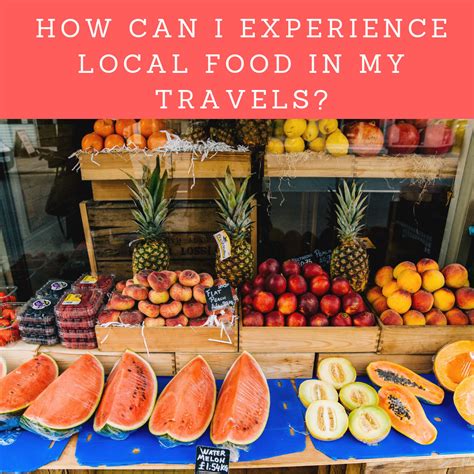
- Visible Ingredients: Are fresh ingredients on display, perhaps in a market stall or an open kitchen? Seeing vibrant produce, fresh meat, or seafood directly suggests quality and seasonality.
- Open Kitchens/Street Food Preparation: The ability to watch the cooking process unfold before your eyes, particularly in street food stalls, offers transparency and reassurance about freshness and technique. You can observe the hygiene practices, the care taken, and the skill involved.

The Food Itself: Unpretentious Perfection
Once the food arrives, its visual presentation can also provide clues.
- Rustic Presentation: Authentic local dishes are often presented simply, focusing on the inherent appeal of the food rather than elaborate, Instagram-friendly plating.
- Generous Portions: Often, local eateries offer hearty, satisfying portions that reflect the traditional value of a good, filling meal.
- High Turnover of Dishes: Seeing large quantities of food being prepared and quickly consumed indicates popularity and ensures freshness. This is especially true for street food vendors.

The Olfactory Clue: Aromatic Indicators
While not strictly visual, the aroma permeating the air is an undeniable clue. A rich, distinct, and appetizing smell of spices, cooking food, or baking goods is a powerful draw that often accompanies genuine culinary hubs. If the air is filled with generic fast-food smells, keep moving.
Conclusion: Trust Your Senses, Sharpen Your Eye
Finding truly authentic local eats is a delightful challenge that enriches any food adventure. By honing your observational skills and paying attention to these visual clues – from the faces in the crowd to the simplicity of the menu and the freshness of the ingredients – you empower yourself to bypass the tourist traps and dive deep into the heart of a region’s culinary soul. So, next time you’re exploring, look closer, trust your instincts, and let your eyes guide you to your next unforgettable meal.